European Beech
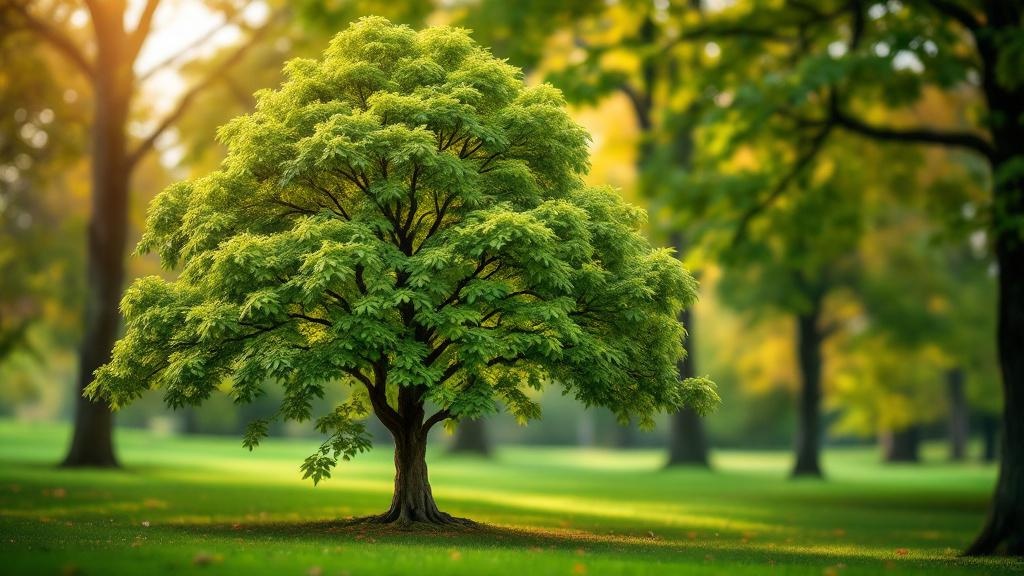
The European Beech is one of the most iconic trees in temperate landscapes, beloved for its elegant form and stunning copper-gold autumn display. Native to Central European forests, this long-lived specimen can grace gardens for centuries when properly sited. The most common question gardeners ask is whether their space can accommodate this magnificent tree, as mature specimens reach 25-40 meters tall with spreading canopies that create deep, cathedral-like shade.
Watering Your European Beech
Newly planted beeches need consistent moisture during their first three growing seasons. Water deeply every 7-10 days during dry spells from April through September, providing approximately 25 liters per watering session for young trees. Once established after 3-4 years, European Beech develops extensive root systems and tolerates normal temperate rainfall, though prolonged summer droughts may cause early leaf browning.
Light Requirements for Fagus sylvatica
European Beech thrives in full sun to partial shade, receiving at least 4-6 hours of direct sunlight daily. Young trees actually benefit from dappled shade, mimicking their natural forest understory origins. In exposed sites with harsh winter winds, consider providing windbreak protection for the first few years. The dense canopy creates such heavy shade at maturity that little grows beneath it.
Soil and Planting Considerations
Plant European Beech in well-drained soil with a pH between 5.5 and 7.5. The ideal planting window is November through early March when trees are dormant, avoiding waterlogged or frozen ground. Dig a hole twice the root ball width and ensure the root flare sits at soil level. Beeches resent compacted clay, so amend heavy soils with organic matter and sharp grit to improve drainage.
Temperature and Climate Tolerance
European Beech is fully hardy throughout USDA zones 5-7, tolerating winter temperatures down to minus 25 Celsius. However, late spring frosts in April and May can damage emerging foliage, particularly on young trees. In zones 7-8, provide afternoon shade protection during summer heatwaves. Beeches prefer cool, humid conditions and may struggle during prolonged periods above 30 Celsius.
Fertilizing European Beech Trees
Established beeches rarely need supplemental feeding in good garden soil. For young trees, apply a balanced slow-release fertilizer in early April as growth begins. Spread well-rotted compost or leaf mold around the root zone each autumn to improve soil structure and provide gentle nutrition. Avoid high-nitrogen feeds after July, as this encourages soft growth vulnerable to winter damage.
Common Problems and Solutions
Beech bark disease, caused by the beech scale insect combined with Neonectria fungi, creates cankers and white woolly patches on bark. Inspect trees annually and treat infestations with horticultural oil spray in late spring. Beech leaf miner causes brown blotches on foliage from May onwards but rarely threatens tree health. Aphids may colonize new growth in spring, attracting sooty mold; these typically resolve naturally as predator populations increase by June.
Frequently asked questions
How fast does European Beech grow?
European Beech grows approximately 30-60 centimeters per year under optimal conditions. Young trees establish slowly during their first 3-5 years while developing root systems, then accelerate growth through middle age. Expect a 10-year-old tree to reach roughly 4-6 meters in good conditions.
Why are my beech tree leaves turning brown in summer?
Brown summer leaves typically indicate drought stress or beech leaf miner damage. Drought stress causes uniform browning at leaf margins, while leaf miner creates irregular brown blotches between veins. Water deeply during dry periods and remove heavily affected foliage; healthy trees recover well by the following spring.
When should I prune a European Beech tree?
Prune European Beech during late winter dormancy, ideally February to early March before sap rises. Avoid pruning between April and August when sap flow causes excessive bleeding and invites disease. Remove dead, crossing, or damaged branches and shape hedges after the main flush of growth in late July.
Can European Beech grow in clay soil?
European Beech tolerates clay soil if drainage is adequate but struggles in waterlogged conditions. Improve heavy clay by incorporating organic matter and grit before planting, and consider mounding the planting site slightly. Beeches are shallow-rooted and will not penetrate compacted hardpan, so deep soil preparation is essential.
How big does a European Beech tree get?
Mature European Beech trees reach 25-40 meters tall with canopy spreads of 15-25 meters. This substantial size makes them unsuitable for small gardens, requiring at least 15 meters clearance from buildings and boundaries. Dwarf and purple-leaved cultivars offer smaller alternatives reaching only 10-15 meters.