Red Chokeberry
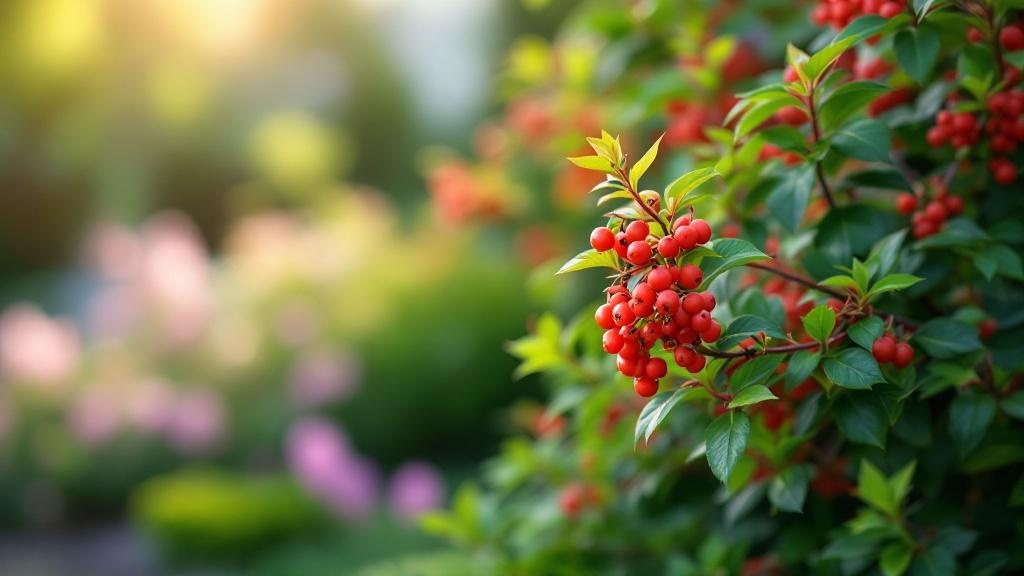
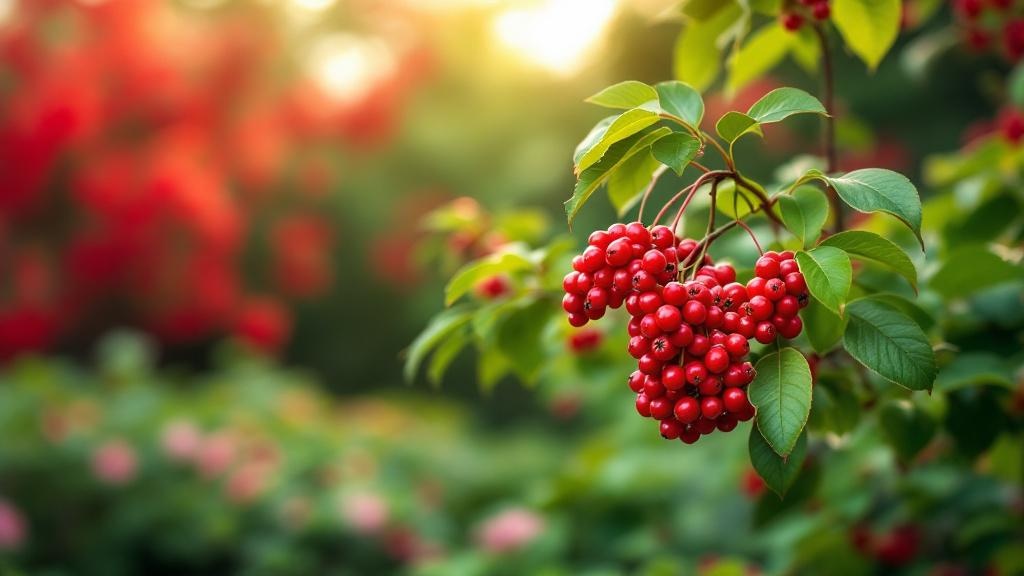
Red Chokeberry is one of the most resilient shrubs you can plant in a temperate garden, thriving where fussier plants fail. Native to eastern North America but perfectly suited to Central European and UK conditions, it rewards minimal effort with spectacular autumn foliage and clusters of bright red berries. The most common question gardeners ask is whether this shrub can handle poor soil and neglect — the answer is a resounding yes, making it ideal for low-maintenance landscaping.
Watering Your Red Chokeberry
Water newly planted shrubs deeply once per week during the first growing season to establish strong roots. Once established after 1-2 years, Red Chokeberry is remarkably drought-tolerant and rarely needs supplemental watering except during extended dry spells in July and August. This shrub also tolerates wet feet, making it suitable for rain gardens or low-lying areas where water collects.
Light Requirements for Optimal Growth
Red Chokeberry performs best in full sun, producing the most abundant flowers, berries, and vibrant autumn color with 6 or more hours of direct light. It tolerates partial shade but expect fewer berries and less intense fall foliage in shadier spots. In warmer zone 8 areas, some afternoon shade can help prevent leaf scorch during heat waves.
Soil and Repotting Needs
This adaptable shrub thrives in almost any soil type, from heavy clay to sandy loam, and tolerates both acidic and slightly alkaline conditions. For container-grown specimens, use a large pot of at least 50 liters with standard multipurpose compost mixed with 20 percent perlite for drainage. Repot container plants every 3-4 years in early March before new growth begins.
Temperature and Humidity Tolerance
Red Chokeberry is exceptionally cold-hardy, surviving temperatures down to minus 30 degrees Celsius without protection. It handles the humid summers of the UK and Central Europe without issue and requires no special humidity considerations. Late spring frosts rarely damage established plants, though blooms opening in April may occasionally be affected in exposed northern gardens.
Fertilizing for Healthy Growth
Apply a balanced slow-release fertilizer such as blood, fish, and bone meal in early April as new growth emerges. A second light application in June supports berry development. Avoid high-nitrogen feeds after July, as this promotes soft growth vulnerable to winter damage. Established shrubs in decent garden soil often need no fertilizer at all.
Common Problems and Solutions
Leaf spot fungi may appear during wet springs, causing brown patches on foliage — improve air circulation by thinning crowded branches in late winter. Aphids occasionally colonize new growth in May but rarely cause lasting damage and are controlled by ladybirds and lacewings. Japanese beetles can skeletonize leaves in areas where they have established — handpick in early morning or apply neem oil as a deterrent.
Frequently asked questions
How often should I water Red Chokeberry?
Water weekly during the first year, then only during prolonged dry spells once established. Mature shrubs are drought-tolerant and typically thrive on rainfall alone in temperate climates. Overwatering is more harmful than underwatering for established plants.
Why are my Red Chokeberry leaves turning yellow?
Yellow leaves usually indicate overwatering or poor drainage causing root stress. Check that soil drains freely and reduce watering frequency. Yellowing in autumn is completely normal as the shrub prepares for dormancy and often accompanies the spectacular red fall display.
When does Red Chokeberry bloom?
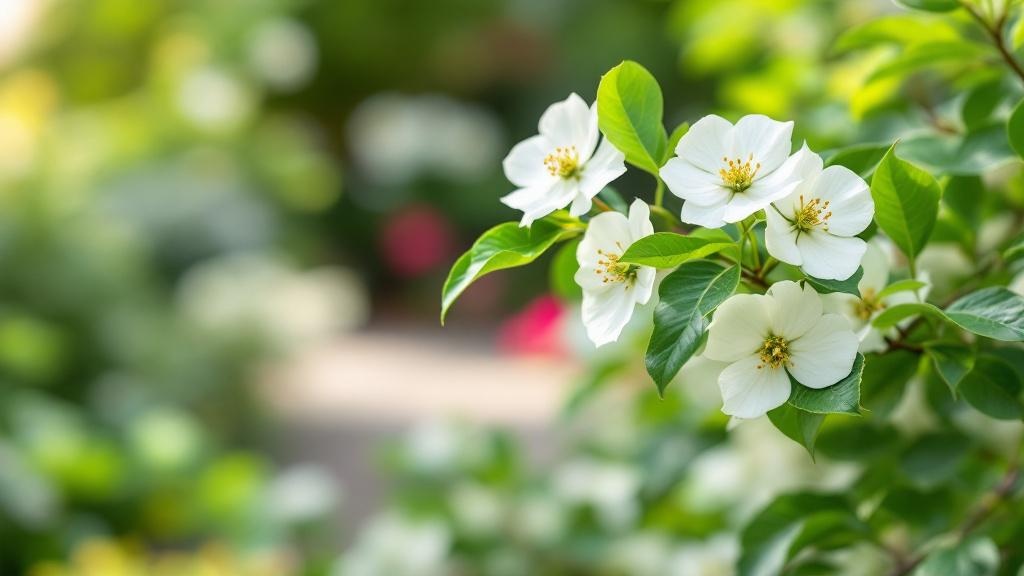
Red Chokeberry blooms in late April to mid-May in most temperate regions, producing clusters of small white flowers with pink anthers. The flowers last about two weeks and are highly attractive to pollinators. Berries develop through summer and ripen to bright red by September.
Is Red Chokeberry toxic to cats?
No, Red Chokeberry is non-toxic to cats, dogs, and other pets. The berries are safe though extremely astringent when raw, which is how the plant earned its common name. Wildlife including birds readily eat the berries throughout winter.
How do I prune Red Chokeberry?
Prune in late February or early March before new growth starts, removing about one-third of the oldest stems at ground level to encourage fresh growth. This rejuvenation pruning maintains a compact shape and improves flowering. Remove any dead, crossing, or damaged branches at the same time.