Pineapple
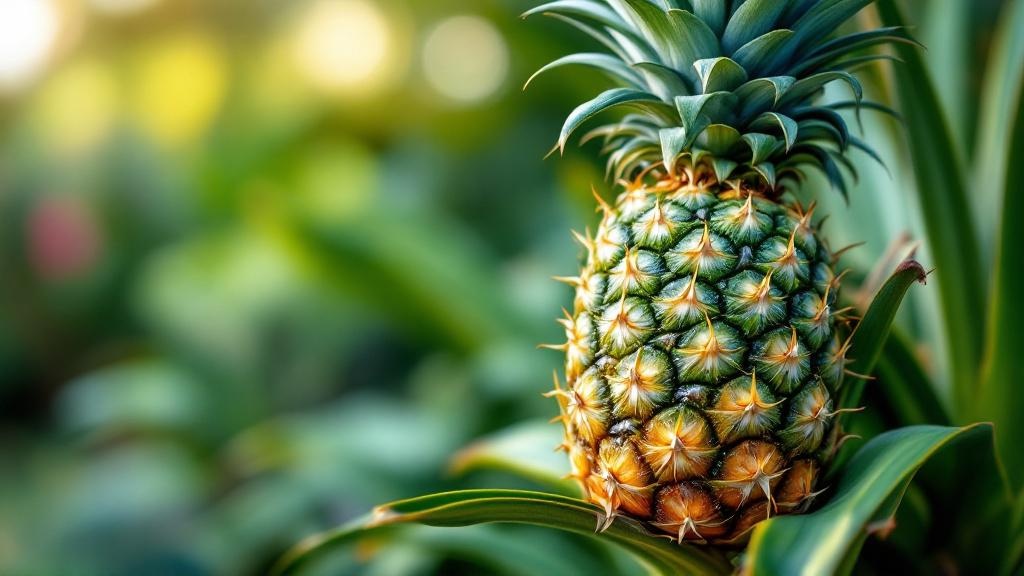
Growing your own pineapple plant from a store-bought fruit top is one of gardening's most rewarding experiments. This tropical bromeliad brings architectural drama to any bright room with its sword-like, spiny leaves arranged in a rosette. The most common question people search is whether pineapples can actually fruit indoors in cooler climates. The answer is yes, but it requires patience, warmth, and understanding that in temperate regions like Central Europe or the Northern US, your pineapple will spend its entire life as an indoor plant.
Watering Your Pineapple Plant Correctly
Water your pineapple plant every 7-10 days during the growing season from April to September, allowing the top 3-5 cm of soil to dry between waterings. In winter, reduce to every 14-18 days as growth slows. Like other bromeliads, pineapples can absorb water through their central rosette, so occasionally fill this cup with water during summer months. Always empty standing water from the rosette in winter to prevent rot.
Light Requirements for Indoor Pineapples
Pineapple plants need the brightest spot you can offer, ideally a south-facing window receiving 6-8 hours of direct sunlight daily. In temperate climates, the limited winter light is the biggest challenge, so position your plant where it catches every ray from October through February. If leaves become pale or stretched, consider supplementing with a grow light during the darker months. From late May to early September, you can move your plant outdoors to a sheltered, sunny patio.
Soil and Repotting Your Pineapple
Use a well-draining, slightly acidic soil mix with a pH of 4.5-6.5, combining regular potting compost with perlite and orchid bark in a 2:1:1 ratio. Repot every 2 years in spring, moving up one pot size, using containers with excellent drainage holes. Pineapples have relatively shallow root systems, so wide pots work better than deep ones. A mature fruiting plant will need a pot of at least 25-30 cm diameter.
Temperature and Humidity Needs
Maintain temperatures between 18-30°C year-round, never letting your pineapple experience temperatures below 15°C. In temperate homes, keep plants away from cold windowsills in winter and avoid placing near radiators that create dry air pockets. Pineapples appreciate humidity levels of 50-60%, which can be achieved by grouping plants together or using a pebble tray. Mist leaves occasionally during winter when central heating dries indoor air.
Fertilizing for Healthy Growth
Feed your pineapple every 2-3 weeks from April through August using a balanced liquid fertilizer diluted to half strength. In autumn, switch to monthly feeding with a low-nitrogen, high-potassium formula to encourage potential flowering. Stop fertilizing completely from November to February when the plant is semi-dormant. Avoid getting fertilizer in the central rosette as this can cause leaf burn.
Common Pineapple Plant Problems
Mealybugs are the most frequent pest, appearing as white cottony masses at leaf bases and in the rosette. Treat with a cotton swab dipped in rubbing alcohol or spray with neem oil solution. Scale insects may also attack, looking like small brown bumps on leaves. Root rot from overwatering is common in winter, indicated by soft, brown leaf bases and a musty smell. If caught early, unpot the plant, trim affected roots, and repot in fresh, dry soil.
Frequently asked questions
How long does it take to grow a pineapple from a top?
A pineapple grown from a fruit top takes 2-3 years to potentially produce fruit in ideal indoor conditions. The first year focuses on root and leaf development, the second year on maturing, and fruiting may occur in year three if conditions are optimal. In temperate climates, some plants never fruit due to insufficient light and warmth.
Why are my pineapple plant leaves turning yellow?
Yellow leaves on pineapple plants most commonly indicate overwatering or cold temperatures. Check that soil is drying adequately between waterings and that the plant is not sitting in temperatures below 15°C. Lower leaves naturally yellow and die as the plant ages, which is normal and those can be removed.
Can you grow pineapple indoors in cold climates?
Yes, pineapples grow well indoors in cold climates when given a bright, south-facing window and consistent warmth above 18°C. They cannot survive outdoors year-round in USDA zones 5-8, so treat them as permanent houseplants. Summer outdoor placement from June to August can boost growth significantly.
How do you get a pineapple plant to flower?
To encourage flowering, place a ripe apple in the center of the rosette and cover the entire plant with a plastic bag for 1-2 weeks. The ethylene gas from the apple triggers the flowering process. This method works best on mature plants that are at least 2 years old and have developed 30 or more leaves.
Is pineapple plant toxic to cats?
Pineapple plants are mildly toxic to cats and dogs due to the sap and spiny leaf edges. Ingestion can cause mouth irritation, drooling, and digestive upset. The fruit itself is safe in small amounts, but keep the plant out of reach of curious pets to prevent injury from the sharp leaf margins.