Garlic Chives
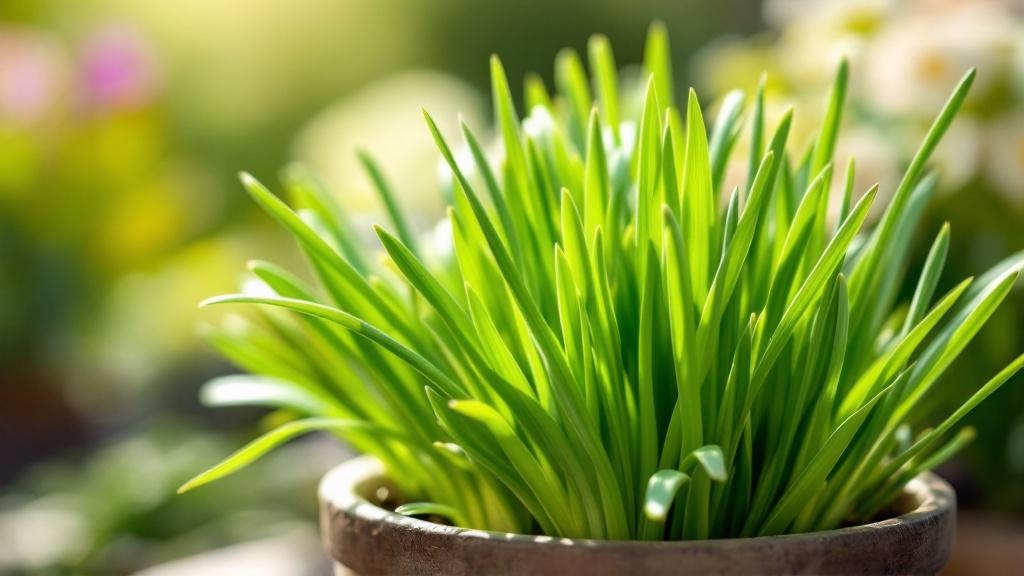
Garlic chives bring a subtle garlic punch to your kitchen while producing beautiful star-shaped white flowers in late summer. Native to East Asia, this perennial herb thrives in temperate climates and is remarkably forgiving for beginner gardeners. The most common question growers ask is how to keep the leaves tender and flavorful throughout the growing season without the plant becoming tough or going to seed too quickly.
Watering Your Garlic Chives
Water garlic chives deeply once a week during the growing season, allowing the top inch of soil to dry between waterings. In hot July and August weather, increase frequency to every 4-5 days. Established plants tolerate drought but produce tougher, less flavorful leaves when stressed. Reduce watering significantly from late October as the plant enters dormancy.
Light Requirements for Optimal Growth
Garlic chives perform best in full sun with at least 6 hours of direct light daily. In warmer parts of zone 8, afternoon shade helps prevent leaf tip browning during summer heat waves. Plants grown in too much shade become leggy and produce weaker garlic flavor. A south or west-facing garden bed is ideal in most temperate locations.
Soil and Repotting Needs
Plant garlic chives in well-draining soil enriched with compost. They tolerate pH levels from 6.0 to 7.5 but prefer slightly acidic to neutral conditions. For container growing, repot every 2-3 years in early April before new growth accelerates. Divide crowded clumps every 3-4 years to maintain vigor and prevent the center from dying out.
Temperature and Humidity Preferences
Garlic chives are exceptionally cold-hardy, surviving winters down to zone 3 without protection. New shoots emerge in late March to early April once soil temperatures reach 10°C. They handle summer heat well but appreciate mulching during July heatwaves. Normal household or outdoor humidity is perfectly adequate; no special humidity requirements apply.
Fertilizing for Healthy Growth
Apply a balanced organic fertilizer or well-rotted compost in early April as growth resumes. A second light feeding in mid-June supports continued leaf production. Avoid high-nitrogen fertilizers late in the season, as this promotes soft growth vulnerable to early autumn frosts. Container plants benefit from diluted liquid feed every 3-4 weeks during active growth.
Common Problems and Solutions
Onion leaf miners can tunnel through leaves from May onwards; remove and destroy affected foliage promptly. Rust appears as orange pustules in humid summers; improve air circulation and avoid overhead watering. Aphids occasionally cluster on flower stems in late summer; blast them off with water or use insecticidal soap. Slugs target young spring shoots, so apply organic slug pellets or beer traps in April.
Frequently asked questions
How often should I water garlic chives?
Water garlic chives once a week during the growing season. Increase to every 4-5 days during hot summer periods, and reduce significantly after October as plants go dormant. Always let the top inch of soil dry between waterings.
Why are my garlic chive leaves turning yellow?
Yellow leaves usually indicate overwatering or poor drainage. Check that your soil drains well and reduce watering frequency. Yellow tips specifically can signal underwatering during hot spells or natural die-back in autumn as the plant prepares for dormancy.
When do garlic chives bloom?
Garlic chives bloom from late July through September with clusters of white, star-shaped flowers. The flowers are edible and attract pollinators. If you prefer leaf production over flowers, cut flower stalks as they appear to redirect energy to foliage.
Are garlic chives toxic to cats?
Yes, garlic chives are toxic to cats and dogs. All parts of the plant contain compounds that can cause digestive upset, drooling, and potentially more serious blood cell damage if consumed in quantity. Keep pets away from your garlic chive patch.
Can garlic chives survive winter?
Garlic chives are extremely winter-hardy and survive temperatures down to minus 30 degrees Celsius. The foliage dies back after the first hard frost in late October or November, but roots remain alive underground. New growth emerges reliably each spring in late March or April.