Orange Tree
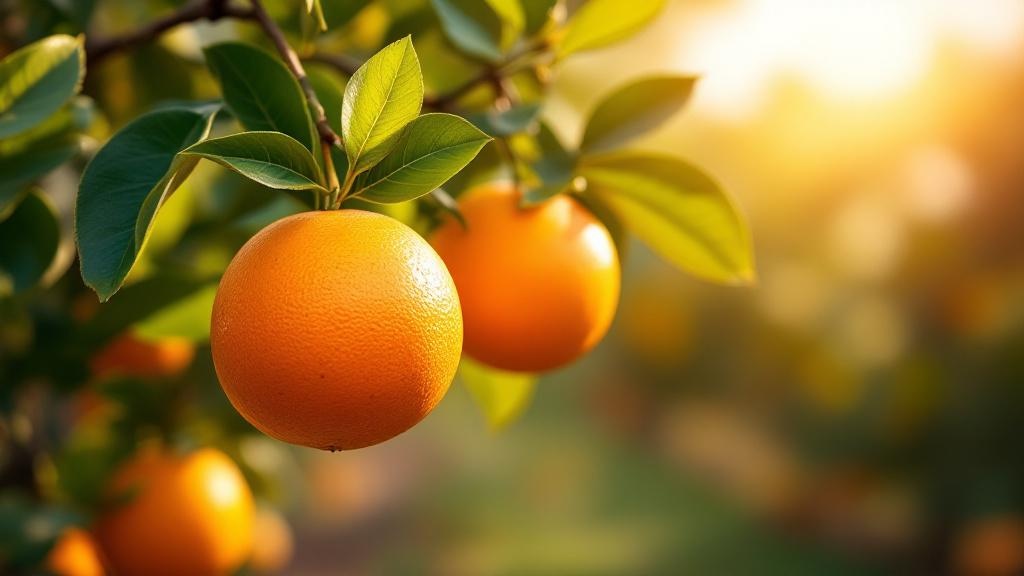
Orange trees are rewarding fruit-bearing houseplants that can live for decades with proper care. In temperate regions, the biggest challenge is maintaining warmth and light through winter months. Whether you're growing a dwarf variety on a sunny windowsill or in a conservatory, understanding seasonal care requirements ensures healthy foliage and productive fruit-bearing.
Watering Your Orange Tree
Water deeply every 7-10 days during the growing season (April to September), checking that soil is moist but not waterlogged. In winter, reduce frequency to every 2-3 weeks as growth slows and evaporation decreases. Use room-temperature water and avoid letting the pot sit in standing water, which causes root rot. Citrus trees are sensitive to both drought and excess moisture, so consistent moisture without saturation is key.
Light Requirements for Orange Trees
Orange trees need 6-8 hours of direct sunlight daily to produce fruit and maintain healthy foliage. Position your tree near a south or southwest-facing window in temperate climates to maximize winter light. If natural light is limited between November and March, consider a supplementary grow light positioned 30-45 cm above the canopy. Insufficient light leads to pale leaves, weak growth, and reduced flowering.
Soil and Repotting
Use well-draining potting soil formulated for citrus, or create your own mix with 2 parts loam, 1 part perlite, and 1 part compost. Repot every 2-3 years in spring (March-April) into a container only slightly larger than the root ball. Ensure pots have drainage holes and raise the pot on feet or saucers to prevent root contact with standing water. Heavy or clay-based soils suffocate roots and invite fungal disease.
Temperature and Humidity
Orange trees prefer temperatures between 15-25°C and cannot tolerate frost below -2°C. In temperate climates, move container trees indoors before the first frost in October or early November and keep them in a cool, bright room until May. Moderate humidity around 50-60% is ideal; mist foliage weekly or place the pot on a humidity tray during heating season. Sudden temperature swings or drafts can cause flower and fruit drop.
Fertilizing Your Orange Tree
Feed every 2-3 weeks from April to August with a balanced citrus fertilizer (NPK ratio around 10-10-10) or a high-potassium formula to support fruiting. Reduce feeding in autumn and stop altogether in winter when the tree is semi-dormant. Over-fertilizing causes salt buildup in soil and leaf burn; always follow package instructions and flush soil with water every 6-8 weeks. In spring, incorporate compost or slow-release granules into the top layer of soil.
Common Problems and Solutions
Yellow leaves often indicate poor drainage, nitrogen deficiency, or scale insects—check soil moisture, adjust watering, and inspect leaf undersides for tiny brown bumps. Bud and fruit drop result from low light, temperature fluctuations, or inconsistent watering; stabilize conditions and ensure 6+ hours of sunlight. Mealybugs and spider mites are common in heated indoor environments; spray affected areas with neem oil or insecticidal soap every 7-10 days until clear.
Frequently asked questions
How often should I water an orange tree?
Water every 7-10 days during growing season (spring and summer) and every 2-3 weeks in winter. Check that the top 2-3 cm of soil is dry before watering again, as overwatering is the most common cause of root rot in citrus.
Why is my orange tree losing leaves and fruit?
Temperature fluctuations, sudden cold drafts, or moving the tree between locations causes stress and bud/fruit drop. Keep your tree in a stable, warm location (15-25°C) away from heating vents and draughty windows, especially from September onwards.
Can I grow an orange tree indoors in a temperate climate?
Yes, dwarf or semi-dwarf citrus varieties thrive indoors on a sunny south-facing windowsill. Move the tree outdoors to a sheltered, sunny patio during May-September and return it indoors before the first frost.
How long does it take for an orange tree to flower and fruit?
Most citrus trees flower 2-4 years after planting; potted, home-grown trees flower slightly later than grafted nursery specimens. Ensure consistent light, stable temperatures, and balanced fertilizing to encourage blooming in spring.
What pests attack orange trees in temperate regions?
Scale insects, mealybugs, and spider mites are the most common indoor pests; they thrive in warm, dry air. Inspect leaf undersides monthly and treat infestations with neem oil or insecticidal soap every 7-10 days until resolved.