Corn
Growing corn at home is easier than many gardeners think, and nothing beats the taste of homegrown sweet corn picked at peak ripeness. Whether you're planting in late April or early May in cooler regions, or starting earlier in southern zones, corn demands full sun, nutrient-rich soil, and steady moisture. The most common question gardeners ask is how to pollinate corn successfully and when to harvest for maximum sweetness.
Watering corn for consistent growth
Corn needs 1-1.5 inches of water per week, delivered through deep soaking rather than shallow sprinkles. During the critical tasseling and silking stage (mid-July to August in temperate zones), increase watering frequency to every 5-7 days, as moisture stress at this point reduces kernel set. Drip irrigation or soaker hoses are ideal to deliver water directly to roots and reduce fungal disease. In dry spells, mulch around plants with 2-3 inches of straw to retain soil moisture and keep roots cool.
Light requirements for tall, productive stalks
Corn is a sun-demanding crop and requires at least 6-8 hours of direct sunlight daily, though 8+ hours is optimal for maximum yield. Plant in north-south rows in temperate regions to minimize shading between plants. Shaded corn produces weak stalks, poor ear fill, and late maturity. In regions prone to intense summer heat (USDA zone 8), afternoon dappled shade can prevent heat stress, but full sun is still the target for most of central Europe and northern zones.
Soil preparation and spacing for strong roots
Corn thrives in rich, well-draining loamy soil with a pH of 6.0-7.0 and plenty of organic matter. Before planting in late April or May, work 2-3 inches of compost or well-rotted manure into the top 8-10 inches of soil. Space seeds 8-12 inches apart in rows 24-30 inches apart; thin seedlings to the wider spacing once they reach 4-6 inches tall. Crowded corn develops fewer, smaller ears and is more prone to disease.
Temperature and humidity during the growing season
Corn germinates best when soil temperature reaches 50°F, but growth accelerates above 60°F. In temperate zones, plant after the last spring frost date (typically mid-April to early May). Corn tolerates humidity well and actually performs better in humid climates; however, excessive humidity combined with poor air circulation can encourage fungal diseases like leaf rust and spot blotch. Ensure adequate spacing and avoid overhead watering in humid regions.
Feeding corn for robust ear development
Corn is a heavy feeder and benefits from nitrogen-rich fertilizer applied at planting and again at the V6 growth stage (when plants are 6 inches tall). Use a balanced 10-10-10 or nitrogen-heavy fertilizer (e.g., 20-10-10) at these stages. A second side-dressing when plants reach knee height (late June) supports the tasseling phase. Organic gardeners can use compost, fish emulsion, or blood meal; conventional growers may prefer synthetic granular or liquid fertilizers applied as per product instructions.
Common problems: pests, diseases, and solutions
Corn earworm (Helicoverpa) is the most troublesome pest in temperate Europe and North America, laying eggs on silks and boring into developing ears; apply spinosad or Bt (Bacillus thuringiensis) when silks first appear. European corn borer larvae tunnel into stems and ears—rotate crops and remove crop debris in autumn to break the lifecycle. Fungal leaf spots (Cercospora, anthracnose) and corn rust appear in humid, crowded plantings; improve air circulation, avoid overhead watering, and remove infected leaves. Powdery mildew occasionally affects late plantings; sulfur dust or neem oil can help, but proper spacing is the best prevention.
Frequently asked questions
How often should I water corn?
Water corn deeply every 7-10 days, aiming for 1-1.5 inches per week through rainfall or irrigation. During the tasseling and silking stage in mid to late summer, increase frequency to every 5-7 days, as moisture stress at this critical window reduces kernel development. Drip irrigation delivers water most efficiently and reduces disease risk.
When should I plant corn in temperate climates?
Plant corn seeds outdoors after the last spring frost date when soil temperature reaches at least 50°F, typically mid-April to early May in USDA zones 5-7. For a second crop, sow again 2-3 weeks after the first planting for continuous harvest from July through September. In zone 8, you can also plant a late summer crop in June for autumn harvest.
How long does corn take to mature?
Most sweet corn varieties mature in 60-90 days from planting, depending on the variety and temperature. Early-maturing varieties (60-70 days) are ideal for cooler zones, while longer-season types (80-90 days) produce larger ears in warmer regions. Count from the date of planting, not from emergence.
When is corn ready to harvest?
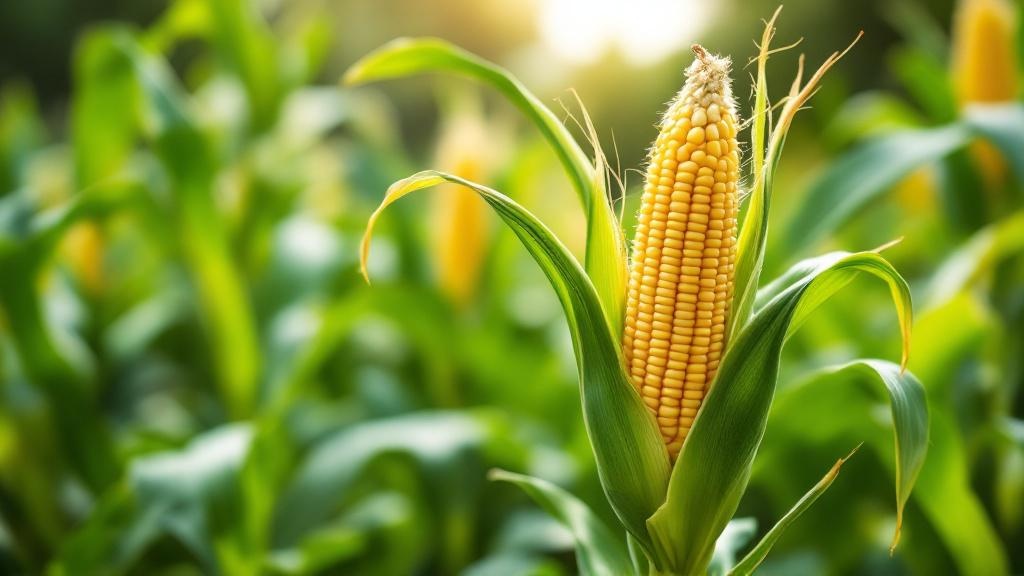
Corn is ready to pick when silks turn brown and dry, the ear feels full and plump, and kernels release a milky liquid when pierced with a thumbnail—usually 18-24 days after silking. Harvest in early morning for peak sweetness and tenderness. Corn loses flavor quickly after picking, so eat or cook harvested ears within hours for best results.
Why aren't my corn ears filling out completely?
Poor ear fill is usually caused by insufficient pollination, water stress during silking, or overcrowded plants competing for nutrients. Ensure corn is planted in blocks rather than single rows to improve cross-pollination by wind, maintain consistent moisture during mid-July to August flowering, and thin seedlings to proper spacing. Also check that nitrogen levels are adequate—apply side-dressing fertilizer when plants are knee-high.
🩺 Common diseases and pests
These problems commonly affect this plant. Click any to see full symptom descriptions, organic and chemical treatment, and prevention.