Ginger
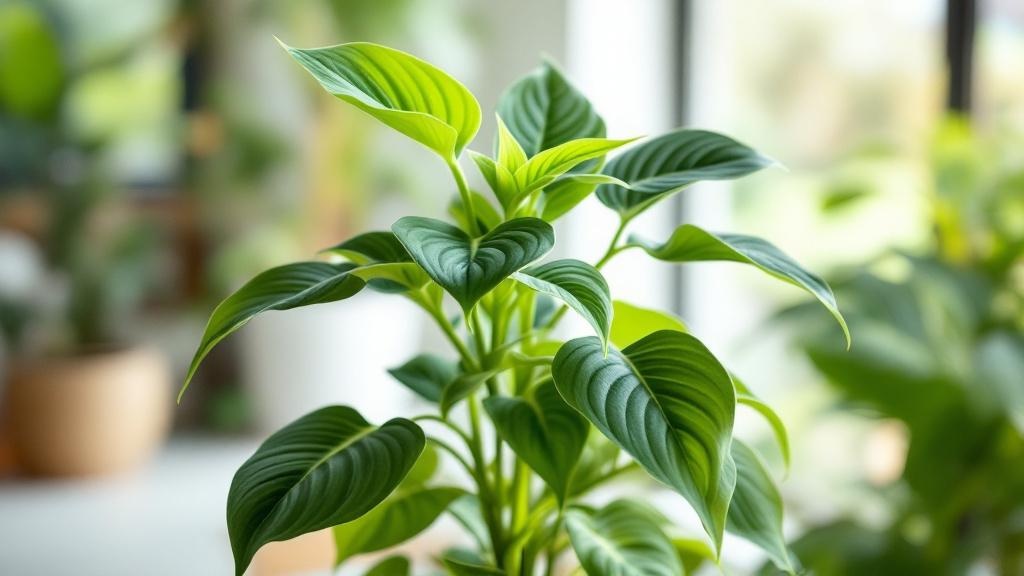
Growing your own ginger at home is surprisingly achievable, even in cooler temperate climates where this tropical plant cannot survive outdoors year-round. The most common question gardeners ask is whether ginger can actually grow in zones 5-8, and the answer is yes, with indoor cultivation. Fresh homegrown ginger offers superior flavor to store-bought roots, and watching those reed-like shoots emerge from a planted rhizome brings genuine satisfaction to any kitchen gardener.
Watering Your Ginger Plant Correctly
Ginger needs consistently moist soil but will rot if waterlogged. Water every 2-3 days during active growth from April through September, allowing the top centimeter to dry slightly between waterings. Reduce watering significantly from October onwards when growth slows, giving just enough to prevent the soil from completely drying out. Use room-temperature water to avoid shocking the tropical roots.
Light Requirements for Indoor Ginger
Provide bright indirect light for 6-8 hours daily, avoiding harsh direct afternoon sun which can scorch the leaves. An east-facing window works perfectly, or a south-facing window with sheer curtains. In the darker months from November to February, consider supplementing with a grow light to maintain healthy foliage. Ginger tolerates lower light but grows more slowly and produces smaller rhizomes.
Soil and Repotting Ginger
Use a loose, rich potting mix with excellent drainage. Combine standard potting soil with perlite and compost in equal parts. Plant rhizomes in late February or March, just 2-3 cm deep in a wide shallow container at least 30 cm in diameter. Ginger spreads horizontally, so width matters more than depth. Repot every 2 years or when rhizomes become crowded.
Temperature and Humidity Needs
Ginger thrives between 20-28°C and will stop growing below 15°C. In temperate zones, this means indoor cultivation is essential from September through May. Keep plants away from cold drafts and single-glazed windows in winter. Humidity should stay above 50 percent; mist leaves regularly or place the pot on a pebble tray with water, especially when central heating dries indoor air.
Feeding Your Ginger Plant
Apply a balanced liquid fertilizer diluted to half strength every 2-3 weeks during the growing season from April to September. A fertilizer with slightly higher potassium supports rhizome development. Stop feeding entirely from October through February when the plant enters dormancy. Over-fertilizing causes salt buildup and can burn the shallow root system.
Common Ginger Problems and Solutions
Yellowing lower leaves often indicate overwatering or poor drainage; let soil dry slightly and check that drainage holes are clear. Spider mites thrive in dry indoor conditions during winter heating season; increase humidity and wipe leaves with a damp cloth weekly to prevent infestations. Soft, mushy rhizomes signal bacterial rot from waterlogged soil, requiring you to remove affected portions and repot in fresh, drier mix immediately.
Frequently asked questions
Can you grow ginger in cold climates?
Yes, ginger grows successfully in cold climates when cultivated indoors as a container plant. In USDA zones 5-8, plant rhizomes in pots in late February and keep them indoors or in a heated greenhouse. Move containers to a sheltered patio only during the warmest summer months when night temperatures stay above 15°C.
How long does ginger take to grow?
Ginger takes 8-10 months from planting to harvest. Plant store-bought organic ginger rhizomes in late February or March, and expect to harvest your first roots by November or December. You can harvest earlier for young ginger with milder flavor, or wait longer for more pungent mature rhizomes.
Why are my ginger leaves turning yellow?
Yellow ginger leaves most commonly indicate overwatering or natural dormancy. If yellowing occurs in autumn, this is normal seasonal die-back as the plant prepares for winter rest. During the growing season, check soil moisture and drainage, as soggy roots cause rapid yellowing and eventual rot.
Is ginger toxic to cats and dogs?
No, ginger is non-toxic to cats and dogs according to the ASPCA. The plant is safe to grow in homes with pets, and small amounts of ginger root are actually used in some pet digestive remedies. However, the fibrous leaves may cause mild stomach upset if consumed in large quantities.
When should I harvest homegrown ginger?
Harvest ginger when the leaves begin yellowing and dying back, typically in late October to December in temperate climates. For young ginger with thin skin and mild flavor, harvest after 4-6 months in August. Leave some rhizome pieces in the pot to regenerate for next year's crop.