Australian Umbrella Tree
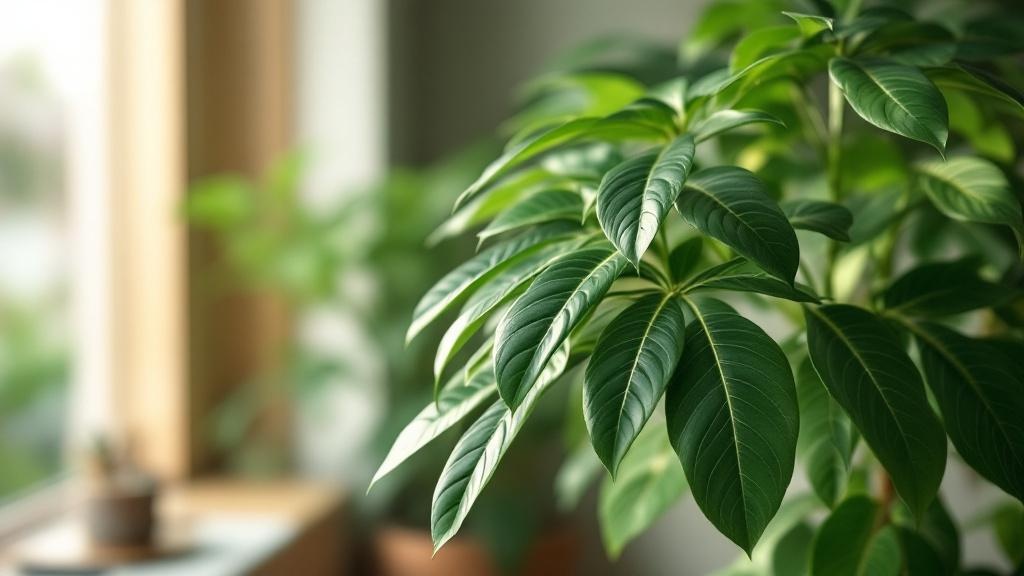
The Australian Umbrella Tree (Schefflera actinophylla) is prized for its dramatic, hand-like foliage and ability to grow tall indoors, making it a statement plant in any temperate home. Most new owners struggle with watering frequency and leaf drop — the two most common concerns. With proper light, consistent moisture, and patience, this tropical native adapts well to indoor life in zones 5-8.
Watering Your Australian Umbrella Tree
Water every 7-10 days during the growing season (April to September), reducing to every 10-14 days in winter. Allow the top 2-3 cm of soil to dry between waterings — overwatering is the leading cause of root rot in this species. Check soil moisture with your finger before watering; if it feels damp, wait another 2-3 days. In winter, growth slows significantly, so reduce watering frequency to prevent waterlogged roots.
Light Requirements
Position your Australian Umbrella Tree in bright indirect light for at least 6 hours daily — a east or west-facing window is ideal. While it tolerates lower light, growth will slow and leaves may drop without sufficient brightness. Direct midday sun through south-facing windows can scorch foliage in summer, so filter harsh rays with a sheer curtain. Rotate the plant every 2-3 weeks to encourage even, balanced growth.
Soil and Repotting
Use a well-draining, peat-based potting mix enriched with perlite or orchid bark to prevent waterlogging. Repot every 18-24 months in spring, moving up one pot size only; oversized pots retain excess moisture and invite root rot. When repotting, gently loosen the root ball and refresh the top third of the soil. Drainage holes are essential — always use pots with adequate drainage.
Temperature and Humidity
Australian Umbrella Trees prefer steady temperatures between 18-24°C and are sensitive to cold; keep them away from draughty windows and heating vents in winter. Humidity above 40% is ideal, though these plants adapt to average indoor levels. Mist leaves monthly or place the pot on a pebble tray filled with water to boost humidity during dry central heating months (November-March). Avoid positioning the plant directly above radiators, which cause rapid moisture loss.
Fertilizing
Feed monthly during the growing season (April to September) with a balanced, diluted liquid houseplant fertilizer (10-10-10 NPK). In winter, reduce feeding to every 6-8 weeks or stop altogether as growth halts. Overfertilizing causes salt buildup in the soil, leading to brown leaf tips — less is more with this species. Always water before applying fertilizer to avoid root burn.
Common Problems and Solutions
Leaf drop is the most frequent complaint, usually triggered by inconsistent watering, sudden temperature changes, or low light. Maintain steady moisture levels and stable temperatures to prevent this. Spider mites and scale insects occasionally attack in dry indoor air; inspect stems and leaf undersides monthly, and treat infestations with neem oil spray every 10-14 days until resolved. Root rot from overwatering causes yellowing leaves and soft stems — repot into fresh, dry soil immediately if detected.
Frequently asked questions
How often should I water my Australian Umbrella Tree?
Water every 7-10 days in spring and summer when the top 2-3 cm of soil is dry, reducing to every 10-14 days in winter. Always check soil moisture with your finger before watering to avoid overwatering, the primary cause of root rot.
Why are the leaves dropping from my Schefflera?
Leaf drop is usually caused by inconsistent watering, sudden cold drafts, or insufficient light. Maintain steady temperatures above 15°C, water consistently without letting soil dry completely, and provide 6+ hours of bright indirect light daily.
Can I keep an Australian Umbrella Tree in low light?
While it tolerates lower light, growth becomes very slow and leaves will eventually drop without at least 6 hours of bright indirect light daily. Move it closer to a window or consider supplemental grow lights if natural light is limited.
Is the Australian Umbrella Tree toxic to pets?
Yes, it is mildly toxic to cats, dogs, and some birds. Ingestion may cause mouth irritation and digestive upset, so keep it out of reach of curious pets and monitor for signs of chewing.
How do I prevent spider mites on my Australian Umbrella Tree?
Spider mites thrive in dry air; increase humidity by misting leaves monthly or using a pebble tray. Inspect the undersides of leaves regularly, and at the first sign of fine webbing or stippled foliage, treat with neem oil spray every 10-14 days until the infestation clears.