Snapdragon
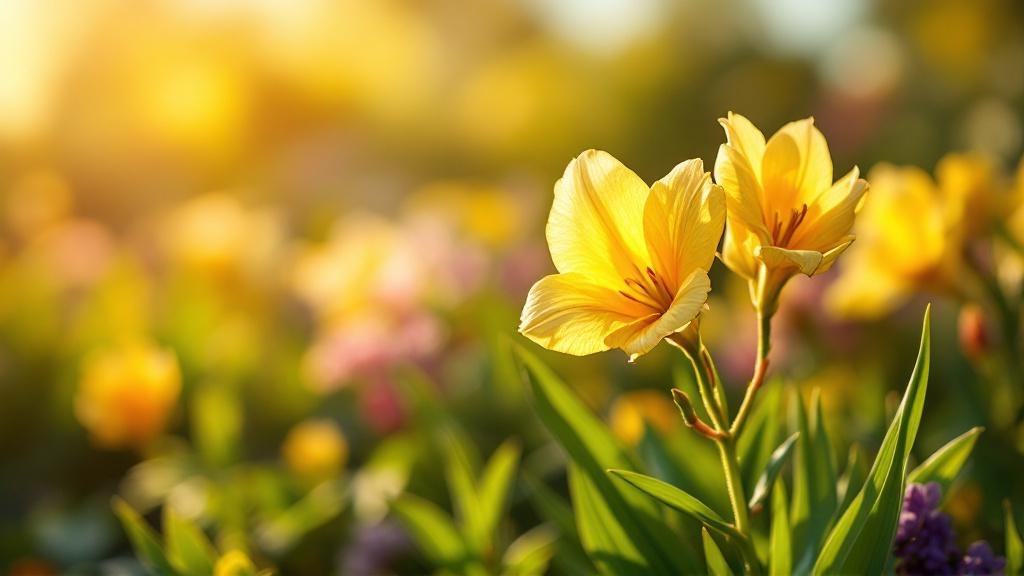
Snapdragons are beloved for their unique dragon-shaped flowers that open and close when gently squeezed, delighting gardeners of all ages. Available in nearly every color except blue, these Mediterranean natives perform brilliantly in temperate climates where they prefer the cooler temperatures of spring and autumn. The most common question gardeners ask is how to keep snapdragons blooming all season long, as they tend to stall in midsummer heat and need specific care to push through to a spectacular autumn encore.

Watering Your Snapdragons Correctly
Water snapdragons deeply every 5-7 days, allowing the top 2-3 cm of soil to dry between waterings. During hot July and August spells, increase frequency to every 3-4 days. Always water at the base of the plant in the morning to keep foliage dry and prevent fungal diseases. Container-grown snapdragons need more frequent watering than garden beds.
Light Requirements for Maximum Blooms
Snapdragons perform best in full sun with 6-8 hours of direct light daily. In warmer Zone 7-8 areas, afternoon shade helps prevent summer heat stress and extends the blooming period. Too little light results in leggy, floppy stems and reduced flowering. East-facing beds with morning sun and afternoon protection are ideal for midsummer performance.
Soil and Repotting Needs
Plant snapdragons in rich, well-draining soil with a pH of 6.2-7.0. Amend heavy clay soils with compost and perlite before planting in late March or early April. For containers, use quality multipurpose compost mixed with 20% perlite. Snapdragons are typically grown as annuals and rarely need repotting, though overwintered plants benefit from fresh soil each spring.
Temperature and Humidity Preferences
Snapdragons thrive in cool conditions between 7-24°C, making them perfect for temperate spring and autumn gardens. They tolerate light frosts down to minus 4°C, allowing early April planting in most Zone 5-8 areas. High humidity combined with poor air circulation invites rust and mildew, so space plants 20-25 cm apart. In mild winters, established plants often survive to rebloom the following spring.
Fertilizing for Continuous Blooms
Apply a balanced slow-release fertilizer at planting time in spring. Feed container plants with half-strength liquid fertilizer every 2-3 weeks from May through September. Avoid high-nitrogen feeds which promote foliage over flowers. A mid-July side-dressing of compost gives plants energy for their autumn flowering flush after summer dormancy.
Common Problems and Solutions
Snapdragon rust appears as orange-brown pustules on leaf undersides, especially in humid conditions. Remove affected leaves immediately and improve air circulation. Aphids cluster on tender shoot tips from May onwards. Blast them off with water or apply insecticidal soap. Root rot occurs in waterlogged soil, so ensure good drainage and avoid overwatering during cool, damp periods in autumn.
Frequently asked questions
How often should I water snapdragons?
Water snapdragons every 5-7 days, allowing soil to partially dry between waterings. Increase to every 3-4 days during summer heat waves. Morning watering at the soil level prevents fungal diseases on the foliage.
Why are my snapdragon leaves turning yellow?
Yellow leaves typically indicate overwatering or poor drainage causing root stress. Check that soil drains well and reduce watering frequency. Nitrogen deficiency can also cause yellowing, particularly on older lower leaves, which responds well to balanced fertilizer.
When do snapdragons bloom in the UK and Northern Europe?
Snapdragons bloom from late May through October in temperate climates, with peak flowering in June and again in September. They often pause during the hottest weeks of July and August, then rebound with cooler autumn temperatures.
Are snapdragons toxic to cats and dogs?
No, snapdragons are non-toxic to cats and dogs according to the ASPCA. They are one of the safest flowering plants for households with pets. The flowers are even edible for humans and sometimes used as garnishes.
Do snapdragons come back every year?
Snapdragons are short-lived perennials often grown as annuals. In mild Zone 7-8 winters, they frequently survive and regrow the following spring. Mulch crowns in November with 5-8 cm of straw to improve overwintering success in colder areas.