Lace Aloe
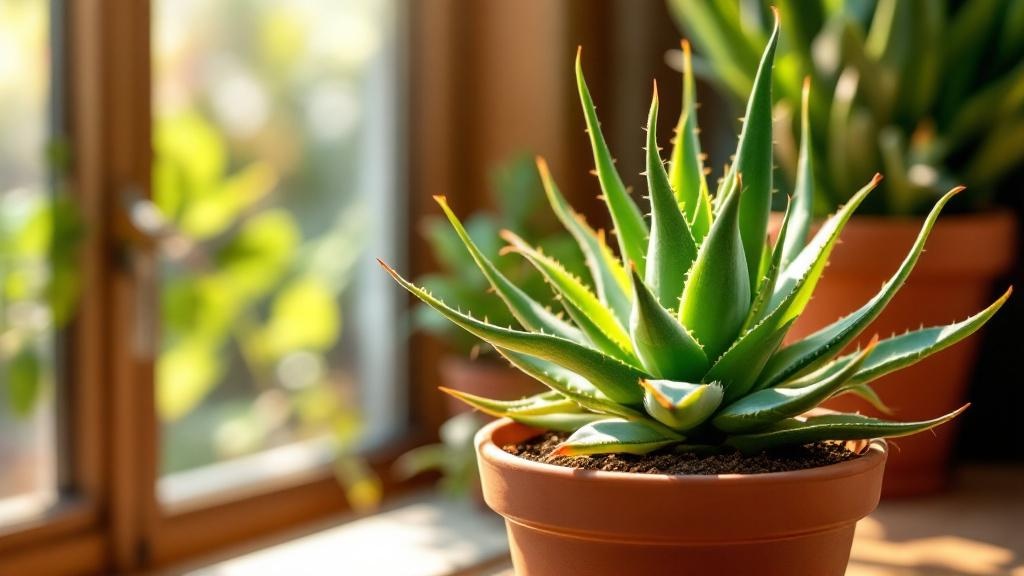
Lace Aloe stands out among succulents for its remarkable cold tolerance and compact size, making it perfect for Northern European and UK windowsills where other aloes struggle. The most common question gardeners ask is whether this plant can survive cool rooms and low winter light. The answer is yes — Aloe aristata handles temperatures down to 5°C and adapts well to typical indoor conditions, though proper watering remains the key to keeping it thriving year-round.
Watering Your Lace Aloe Correctly
Water your Lace Aloe every 10-14 days during the growing season from April to September, allowing the soil to dry completely between waterings. In winter, reduce watering to once every 3-4 weeks as growth slows significantly. Always water the soil directly rather than the rosette centre, as trapped moisture causes rot. If leaves become soft or translucent, you are overwatering — firm, plump leaves indicate proper hydration.
Light Requirements for Healthy Growth
Lace Aloe thrives in bright indirect light but tolerates partial shade better than most succulents. An east or west-facing windowsill provides ideal conditions in temperate homes. During the darker months from November to February, move the plant closer to windows or consider supplemental lighting if leaves begin stretching. Unlike larger aloes, Lace Aloe can scorch in intense direct summer sun, so provide light shade during midday if placed in south-facing windows.
Soil and Repotting Guidelines
Use a fast-draining cactus and succulent mix, or create your own by combining standard potting compost with equal parts perlite or horticultural grit. Repot every 2-3 years in spring, typically in late March or April, choosing a pot only slightly larger than the current one. Terracotta pots work exceptionally well as they wick away excess moisture. When repotting, remove any dead lower leaves and check roots for signs of rot before settling into fresh soil.
Temperature and Humidity Needs
Lace Aloe is remarkably cold-hardy for an aloe, tolerating temperatures down to 5°C for brief periods, though it grows best between 15-25°C. Average household humidity suits this plant perfectly — avoid placing it in bathrooms or kitchens where humidity stays consistently high. In temperate climates, you can move Lace Aloe outdoors to a sheltered spot from late May to September, but bring it indoors before overnight temperatures drop below 10°C in early autumn.
Fertilizing for Optimal Growth
Feed Lace Aloe monthly from April through August using a diluted liquid cactus fertilizer at half the recommended strength. Avoid fertilizing entirely from October to March when the plant enters its natural rest period. Over-fertilizing causes weak, stretched growth and can burn roots, so less is always better with this low-maintenance succulent. A single application of slow-release granules in spring can replace monthly liquid feeding if preferred.
Common Problems and Solutions
Root rot from overwatering is the primary killer of Lace Aloe — prevent it by ensuring drainage holes are clear and soil dries between waterings. Mealybugs often appear as white cottony masses in leaf axils, especially during winter when heating creates dry conditions. Treat infestations by dabbing with rubbing alcohol or spraying with insecticidal soap. Brown leaf tips typically indicate either underwatering or sunburn, while soft, mushy leaves signal excess moisture or cold damage.
Frequently asked questions
How often should I water Lace Aloe?
Water Lace Aloe every 10-14 days in spring and summer, reducing to every 3-4 weeks in winter. Always wait until the soil is completely dry before watering again. Overwatering is the most common cause of Lace Aloe death, so err on the side of underwatering.
Why are my Lace Aloe leaves turning brown?
Brown leaves on Lace Aloe typically indicate sunburn, underwatering, or natural leaf ageing at the base. If brown tips appear after moving the plant to brighter light, gradually acclimate it over 1-2 weeks. Lower leaves naturally brown and dry as the plant ages — simply remove them at the base.
When does Lace Aloe bloom?
Lace Aloe blooms in late spring to early summer, usually May or June, producing tubular orange-red flowers on tall spikes. Mature plants over 3-4 years old are most likely to flower when given adequate winter rest in cooler conditions around 10-15°C. Not all indoor specimens bloom, but good light and seasonal temperature variation increase your chances.
Is Lace Aloe toxic to cats?
No, Lace Aloe is considered non-toxic to cats and dogs according to the ASPCA. Unlike Aloe vera, which can cause digestive upset in pets, Aloe aristata is generally safe around animals. However, ingesting large quantities of any plant material may still cause mild stomach upset.
How do I propagate Lace Aloe?
Propagate Lace Aloe by separating offsets (pups) that grow around the mother plant in spring or early summer. Wait until pups are at least 3-4cm across and have their own roots before carefully detaching them. Let the cut surface dry for 1-2 days before potting into gritty compost, and water sparingly until established.