Grape Hyacinth
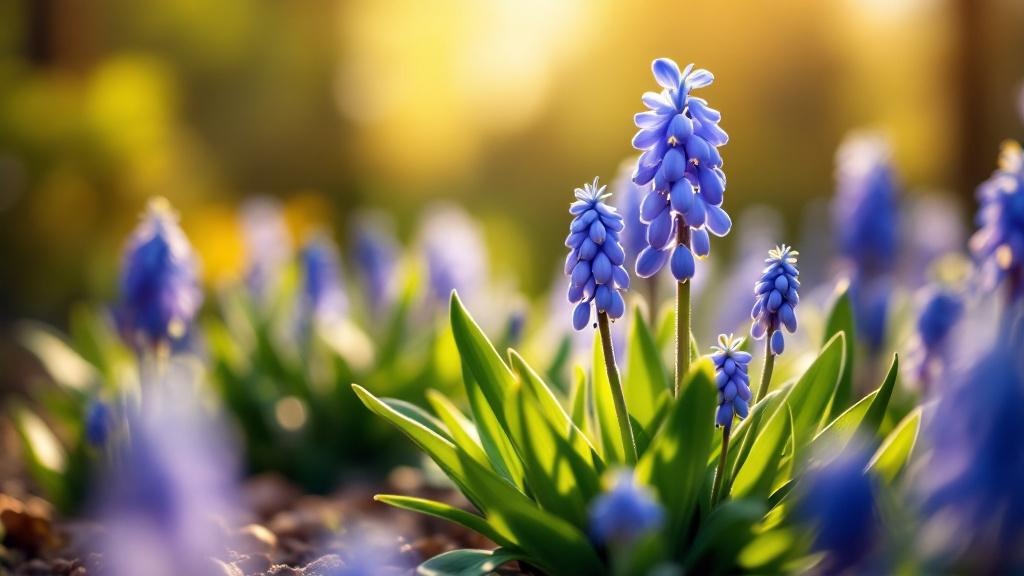
Grape Hyacinth is one of the first bulbs to announce spring, carpeting gardens with vivid blue flower spikes from March through April. These tough little bulbs are a favorite for borders, rock gardens, and naturalizing under deciduous trees. The most common question gardeners ask is when and how deep to plant the bulbs for reliable blooms year after year. Once established, Muscari armeniacum multiplies freely and returns stronger each spring with almost no intervention required.
Watering Your Grape Hyacinth Through the Seasons
Water Grape Hyacinth moderately when foliage is actively growing from late winter through spring, about once weekly if rainfall is lacking. Once flowers fade and leaves yellow in late May, stop watering entirely as the bulbs enter summer dormancy. Overwatering during the dormant period can cause bulb rot. In autumn, natural rainfall is usually sufficient to trigger root growth before winter.
Light Requirements for Muscari Armeniacum
Grape Hyacinth performs best in full sun to partial shade, receiving at least 4-6 hours of direct sunlight daily during the growing season. Planting beneath deciduous trees works beautifully since the bulbs bloom and gather energy before trees fully leaf out. In hotter microclimates within temperate zones, afternoon shade helps extend the bloom period. Avoid deeply shaded areas where flowering will be sparse.
Soil and Planting Depth for Grape Hyacinth Bulbs
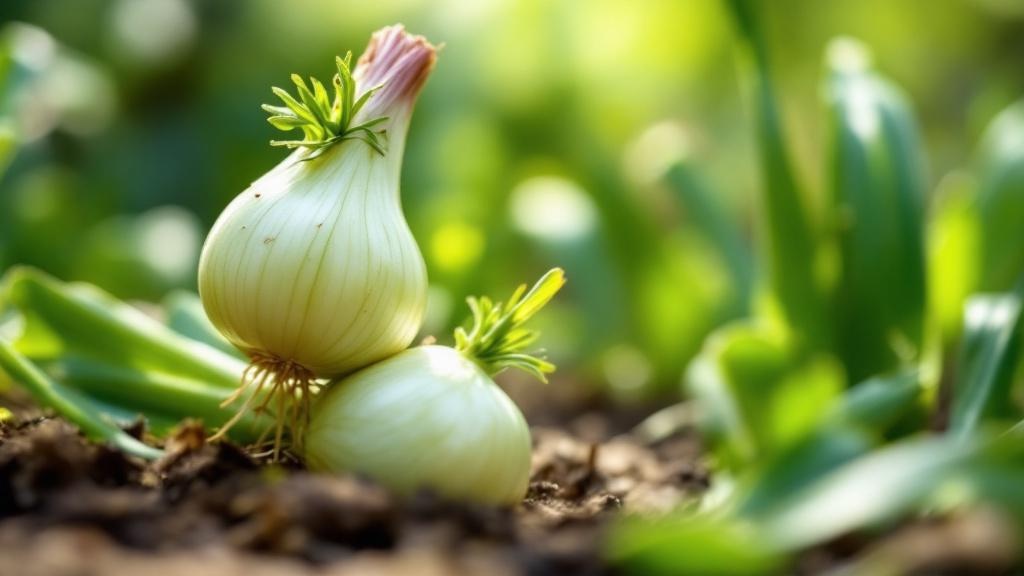
Plant bulbs in September through November in well-draining soil enriched with compost. Set bulbs 8-10 cm deep and 5-8 cm apart, with the pointed end facing upward. Grape Hyacinth tolerates most soil types but despises waterlogged conditions, so amend heavy clay with grit or sharp sand. Established clumps benefit from lifting and dividing every 3-4 years in early autumn when they become overcrowded.
Temperature and Humidity Needs
Muscari armeniacum is exceptionally cold-hardy, surviving winters down to minus 30 degrees Celsius without protection. The bulbs require a cold dormancy period of 12-14 weeks below 10 degrees Celsius to initiate flowering, making them ideal for temperate climates. They tolerate average household humidity outdoors and are unbothered by late frosts that may damage other spring flowers. Summer heat during dormancy poses no problem as long as soil stays dry.
Feeding Grape Hyacinth for Better Blooms
Apply a balanced bulb fertilizer or bone meal when planting in autumn to encourage strong root development. In established plantings, scatter a light application of general-purpose fertilizer in early March as shoots emerge. Avoid high-nitrogen feeds which promote foliage at the expense of flowers. After flowering, allow leaves to die back naturally for 6 weeks so bulbs can store energy for next year.
Common Problems and How to Solve Them
Bulb rot from waterlogged soil is the primary killer, prevented by improving drainage before planting. Squirrels and mice occasionally dig up freshly planted bulbs in autumn, so cover planting areas with chicken wire until shoots appear. Botrytis gray mold can affect foliage in wet springs, showing as brown spots, but rarely harms bulbs if air circulation is adequate. Sparse flowering usually indicates overcrowding, remedied by dividing clumps in September.
Frequently asked questions
When should I plant Grape Hyacinth bulbs?
Plant Grape Hyacinth bulbs in autumn, ideally from mid-September through November before the ground freezes. This gives roots time to establish during the cool months while the bulb receives the necessary cold period to trigger spring flowering. Earlier planting in September often yields stronger first-year blooms.
Why are my Grape Hyacinth leaves yellow?
Yellowing leaves after flowering in May or June is completely normal and signals the bulb is entering summer dormancy. Do not remove foliage until it has fully died back, as the leaves are photosynthesizing to feed next year's flowers. However, yellowing during active growth in spring may indicate overwatering or poor drainage causing root problems.
How do I get Grape Hyacinth to spread?
Grape Hyacinth naturalizes readily by producing offset bulbils and self-seeding. Simply leave spent flower heads in place rather than deadheading, and avoid disturbing the soil around established clumps. Within 3-5 years, a handful of bulbs can multiply into impressive drifts, especially in lawn edges or beneath shrubs where they remain undisturbed.
Is Grape Hyacinth toxic to cats?
Yes, Grape Hyacinth is mildly toxic to cats, dogs, and humans if ingested. The bulbs contain the highest concentration of alkaloids and can cause vomiting, diarrhea, and stomach discomfort. While rarely life-threatening, keep pets from digging in areas where bulbs are planted and seek veterinary advice if significant quantities are consumed.
When does Grape Hyacinth bloom?
Grape Hyacinth blooms in early to mid-spring, typically from late March through April in temperate climates. The flowering period lasts approximately 3-4 weeks, with each flower spike holding its color well. Planting different Muscari varieties can extend the display from early March into May.