Beet
Beets are one of the most reliable vegetables for temperate gardeners, delivering tender roots and edible leafy greens in just 50-70 days. Whether you're growing them for roasted roots or fresh beet greens, this hardy crop handles cool weather beautifully and stores well into winter. The biggest question home growers ask: when and how often should I water to get sweet, tender roots?
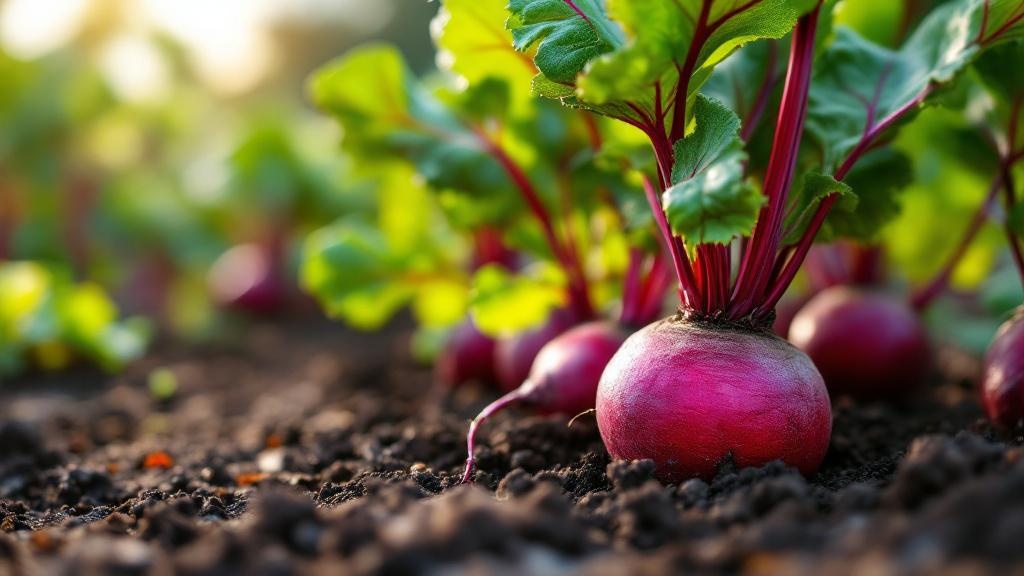
Watering Beets for Sweet, Tender Roots
Water beets deeply and consistently to avoid tough, woody roots—aim for 1-2 inches per week through rain or irrigation. In spring and early summer, check soil moisture every 3-4 days; the top inch should feel slightly moist. In temperate zones, early morning watering reduces fungal issues like leaf spot. During hot spells (rare in zones 5-7), increase frequency; in autumn as soil cools, reduce to once weekly.
Light Requirements for Optimal Growth
Beets need full sun—at least 6 hours of direct sunlight daily—to develop sweet roots with good color. In temperate climates, they're less likely to bolt in spring/autumn when light is moderate compared to summer lettuce. If growing in a vegetable patch with taller plants nearby, ensure beets aren't in shade after mid-morning. Partial shade (3-4 hours sun) is tolerable but slows root development.
Soil Preparation & Thinning Seedlings
Beets prefer well-draining loam with a pH between 6.0 and 7.5; amend clay soil with compost before planting. Sow seeds directly in spring (late March to April in UK/Central Europe) or summer (July-August for autumn harvest) about half an inch deep. Thin seedlings to 8-10 cm apart when they're 5 cm tall—crowded beets stay small. The thinned greens are edible, so don't waste them.
Temperature & Season Management
Beets are frost-hardy and thrive in cool to moderate temperatures (50-70°F / 10-21°C). In temperate zones, spring and autumn sowings are ideal; summer heat above 75°F can slow growth and toughen roots. They tolerate frost down to 28°F (-2°C), so autumn crops can be extended through September and early October. In winter, mulch established roots with 5-8 cm of straw to protect from hard freezes if overwintering in the ground.
Fertilizing & Nutrient Needs
Beets are moderate feeders. Work well-rotted compost or balanced NPK fertilizer (10-10-10) into soil before planting. Side-dress with compost or balanced fertilizer every 4-6 weeks during the growing season. Avoid high-nitrogen fertilizers, which promote excessive foliage at the expense of root development. In poor soils, a foliar spray of diluted fish emulsion every 3 weeks supports both leaf and root quality.
Common Problems & Solutions
Leaf spot and downy mildew thrive in damp conditions across UK and Central European gardens—improve air circulation and avoid overhead watering after midday. Flea beetles can pepper seedling leaves with tiny holes in spring; use fine netting or insecticidal soap (e.g., Safer's) if damage is heavy. Root-knot nematodes are rare in temperate zones but can occur in sandy soils; crop rotation and adding compost improves soil health. Beet rust (a fungal disease) appears as orange pustules on leaves; remove affected foliage and ensure 15+ cm spacing.
Frequently asked questions
How often should I water beets?
Water beets 1-2 inches per week through rain or drip irrigation, keeping soil consistently moist but not waterlogged. In temperate spring and autumn, once or twice weekly is usually sufficient; check the top inch of soil before watering.
When can I harvest beets?
Beets are ready to harvest 50-70 days after sowing, when roots are 1-3 inches in diameter (about the size of a golf ball to small apple). In temperate zones, spring sowings are ready by early June, autumn sowings by October. You can harvest smaller beets for tenderness or leave them longer for storage.
Can I eat beet greens?
Yes, beet greens are nutritious and delicious; harvest the outer leaves when plants are 4-6 inches tall, leaving the center intact for continued root growth. Greens taste best when young and tender; older leaves become tough and earthy.
What temperature do beets prefer?
Beets thrive at 50-70°F (10-21°C) and are frost-hardy down to 28°F (-2°C), making them ideal for temperate spring and autumn growing. Summer heat above 75°F slows growth and can make roots tough; spring and early autumn are the sweetest seasons for harvest.
Why are my beet roots small and woody?
Woody roots usually result from inconsistent watering, overcrowding, or poor soil drainage. Ensure consistent moisture (1-2 inches weekly), thin seedlings to 8-10 cm apart, and amend soil with compost. Also check for stunting caused by root pests or nutrient deficiency; a balanced fertilizer side-dressing can help.
🩺 Common diseases and pests
These problems commonly affect this plant. Click any to see full symptom descriptions, organic and chemical treatment, and prevention.