Peace Lily
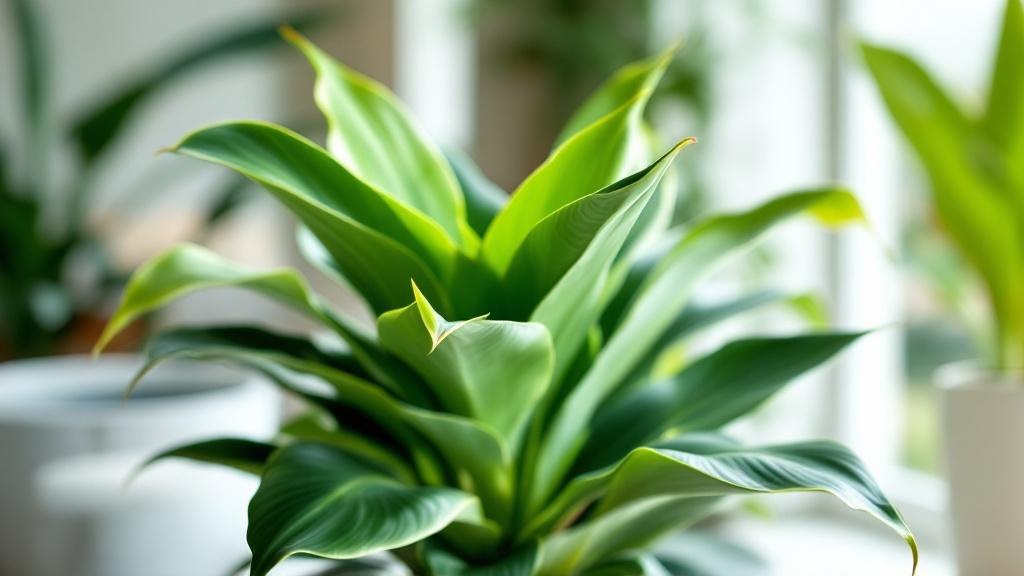
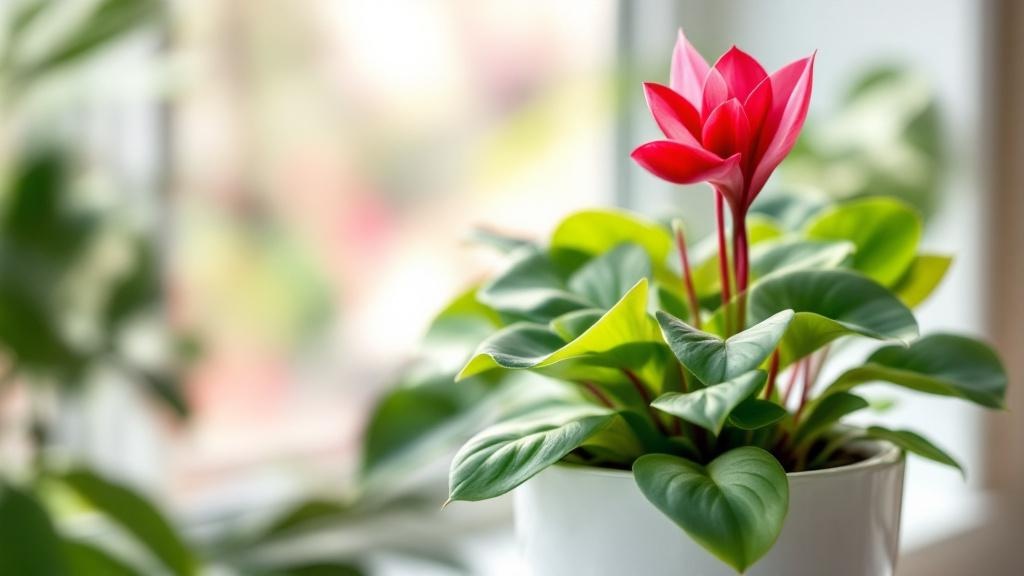
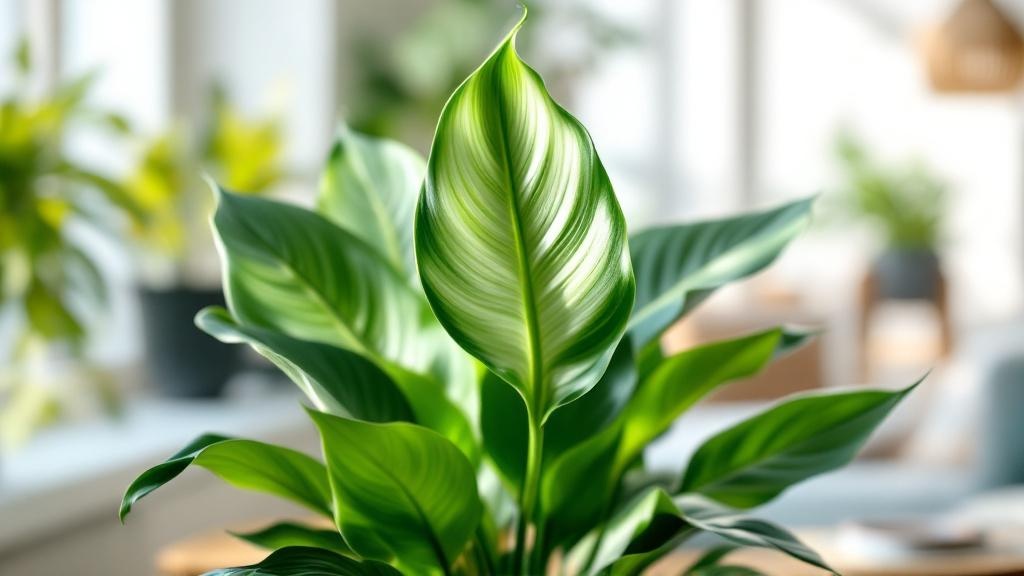
Peace lilies are beloved by home gardeners across temperate zones for their stunning white flower spathes and ability to thrive in low-light conditions. They're famously expressive—drooping dramatically when thirsty, then perking up hours after watering. Whether you're new to houseplants or looking to fill a dim corner of your home, understanding peace lily care basics will ensure years of vibrant growth and blooms.
Watering Peace Lilies Correctly
Peace lilies are excellent communicators—they'll droop noticeably when thirsty, usually every 7-10 days depending on light and season. Water thoroughly until it drains from the bottom, then allow the top inch of soil to dry slightly before watering again. In winter (November through February), reduce frequency to every 10-14 days as growth slows. Avoid letting the soil dry out completely for extended periods, as this stresses the plant and slows blooming.
Light Requirements for Healthy Growth
Peace lilies genuinely thrive in low light, making them ideal for offices, bathrooms, and shaded living rooms in your home. While they'll survive in dim corners, they flower more reliably in medium indirect light—place them near an east or north-facing window, 1-2 meters from the pane. Direct sun can scorch their delicate leaves, so avoid windowsills that receive harsh afternoon rays. If your peace lily hasn't flowered in months, gradually move it to a slightly brighter spot.
Soil and Repotting Schedule
Peace lilies prefer rich, moisture-retentive soil amended with peat or coco-coir, combined with perlite or orchid bark for drainage. Repot every 18-24 months in spring (late March to April in temperate zones) when you see roots emerging from drainage holes. Use a pot only 2-3 cm larger than the previous one—overpotting leads to waterlogging. Refresh the top 5 cm of soil annually if you prefer not to repot, which helps prevent salt buildup.
Temperature and Humidity Preferences
Peace lilies prefer consistent warmth between 18-24°C and struggle below 15°C, so keep them away from cold drafts near windows or heating vents in winter. They love humidity and appreciate misting with lukewarm water 2-3 times weekly, especially in heated homes during the heating season (October to April). Alternatively, group pots together or place on a pebble tray filled with water to raise ambient humidity. Dry air often triggers spider mite infestations, a common problem in temperate homes.
Fertilizing for Blooms and Growth
Feed peace lilies every 4-6 weeks during the growing season (April through September) with a balanced liquid houseplant fertilizer diluted to half strength. In winter, reduce feeding to once every 8-10 weeks as growth naturally slows. Over-fertilizing causes salt buildup in the soil, leading to brown leaf tips—if this occurs, flush the soil with distilled water. Peace lilies are moderate feeders compared to flowering plants, so restrain fertilizer use.
Common Problems and Solutions
Yellowing lower leaves are natural as the plant matures, but if new growth yellows too, check for overwatering or poor drainage—repot if soggy. Brown leaf tips signal low humidity or excess fertilizer salts; mist more frequently and flush soil if needed. Mealybugs and spider mites occasionally infest peace lilies in dry homes—spray affected foliage with neem oil or insecticidal soap every 7 days until cleared. Powdery mildew can appear in cool, humid conditions; ensure good air circulation and treat with sulphur-based fungicide if needed.
Frequently asked questions
How often should I water my peace lily?
Water when the top inch of soil feels dry, typically every 7-10 days in spring and summer, and every 10-14 days in winter. Peace lilies signal thirst by drooping—water thoroughly and they'll perk up within hours.
Why are my peace lily leaves turning yellow?
Yellowing usually indicates overwatering or poor soil drainage, especially on lower older leaves where it's natural. Check that water drains freely and allow the soil surface to dry slightly between waterings; repot if the soil stays soggy for days.
Can peace lilies grow in low light?
Yes, peace lilies excel in low light and are often recommended for offices and dim corners. They'll bloom more reliably in medium indirect light near an east or north-facing window, but survive fine with just ambient room light.
Is a peace lily toxic to cats and dogs?
Yes, peace lilies are mildly toxic to cats and dogs—their sap irritates the mouth and throat, causing drooling or vomiting if chewed. Keep the plant out of reach of curious pets and wash your hands after handling.
When should I repot my peace lily and what size pot?
Repot in spring (late March to April) every 18-24 months when roots emerge from drainage holes. Use a pot only 2-3 cm larger than the current pot to avoid overwatering and waterlogging.