Grape Ivy
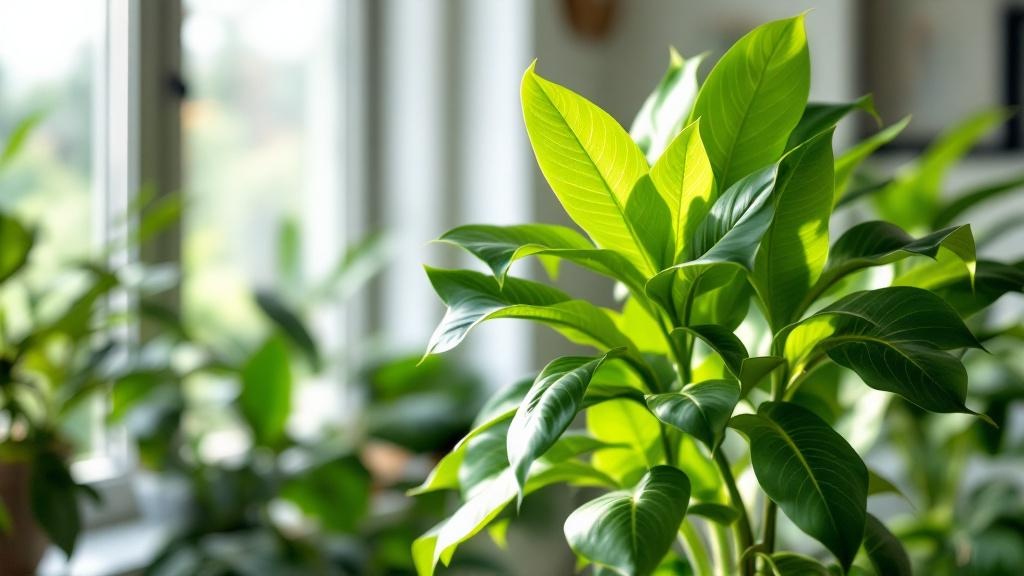
Grape Ivy is a reliable, fast-growing houseplant prized for its elegant trailing habit and low maintenance needs. Whether you're growing it as a climber on a moss pole or letting it cascade from a shelf, the most common question is how to keep those leaflets lush without overwatering. This guide covers everything you need to grow Grape Ivy successfully in your home.
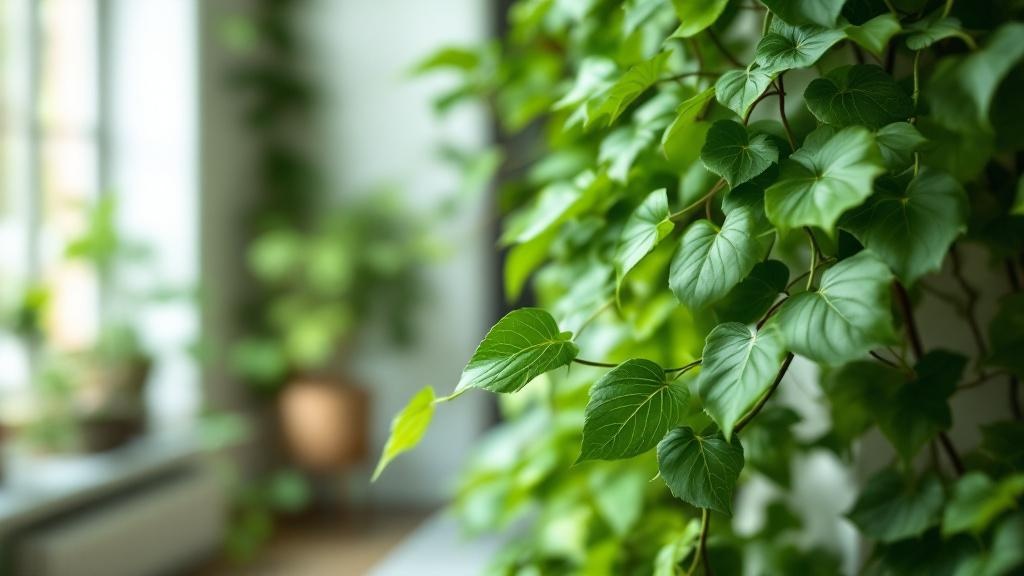
Watering Grape Ivy Correctly
Water thoroughly every 7–10 days during spring and summer, allowing the top 2 cm of soil to dry slightly between waterings. In autumn and winter, reduce frequency to every 10–14 days as growth slows. Use room-temperature water and avoid letting the plant sit in waterlogged soil, which can cause root rot. Grape Ivy prefers consistently moist but not soggy soil; if leaves turn yellow and feel soft, cut back watering immediately.
Light Requirements for Healthy Growth
Place your Grape Ivy in bright, indirect light—near an east or west-facing window is ideal. It tolerates partial shade better than many houseplants, but growth slows in low light. Avoid direct summer sun, which can scorch the delicate leaflets. If your plant becomes leggy with widely spaced leaves, gradually move it closer to a bright window to encourage bushier, more compact growth.
Soil and Repotting Tips
Use a light, well-draining potting mix containing peat moss, coconut coir, and perlite or orchid bark. Repot in spring every 2–3 years or when roots emerge from drainage holes. Choose a pot only 2–3 cm wider than the previous one to avoid waterlogging. Refresh the top layer of soil annually to maintain nutrient levels without full repotting.
Temperature and Humidity Preferences
Grape Ivy thrives in temperatures between 15–24°C and suffers below 10°C; protect it from cold drafts and heating vents. Humidity of 40–50% is ideal—mist lightly 2–3 times weekly in summer or place the pot on a humidity tray with pebbles and water. In central heated homes during winter, misting becomes especially important to prevent leaf browning and spider mite infestations.
Feeding Your Grape Ivy
Feed every 2–3 weeks during spring and summer with a diluted, balanced houseplant fertilizer (e.g., NPK 10–10–10). Switch to a monthly or fortnightly schedule in autumn, and stop feeding entirely from November to February when growth naturally slows. Over-fertilizing causes salt buildup; if leaf tips brown, flush the soil with water or repot into fresh mix.
Common Problems and Solutions
Yellow leaves often signal overwatering or poor drainage—check soil moisture and repot if needed. Spider mites and mealybugs thrive in dry indoor air, especially in winter; spray leaves with insecticidal soap or neem oil if you spot fine webbing or white cottony clusters. Brown leaf tips usually mean low humidity or mineral buildup in tap water; mist more frequently and switch to filtered or distilled water if tap water is hard.
Frequently asked questions
How often should I water Grape Ivy?
Water every 7–10 days in spring and summer when the top 2 cm of soil feels dry, and every 10–14 days in autumn and winter. Always check soil moisture before watering—Grape Ivy prefers slightly moist but not waterlogged soil.
Why are my Grape Ivy leaves turning yellow?
Yellow leaves usually indicate overwatering or poor soil drainage. Check that your pot has drainage holes and reduce watering frequency. If the problem persists, repot into fresh, well-draining mix and trim any severely yellowed foliage.
Can Grape Ivy grow in low light?
Grape Ivy tolerates partial shade better than many houseplants, but growth slows noticeably. For best results and bushier plants, provide bright indirect light near a window. It will survive in low light temporarily but won't thrive long-term.
Is Grape Ivy toxic to cats and dogs?
No, Grape Ivy is non-toxic to cats, dogs, and humans. It's a safe choice if you have curious pets, though ingesting large amounts of any plant material may cause mild digestive upset.
How do I prevent spider mites on Grape Ivy?
Spider mites love dry air, especially in heated homes during winter. Mist your plant 2–3 times weekly, increase humidity with a pebble tray, and inspect leaves regularly. If you spot fine webbing, spray with insecticidal soap or neem oil every 5–7 days until the infestation clears.