Japanese Kerria
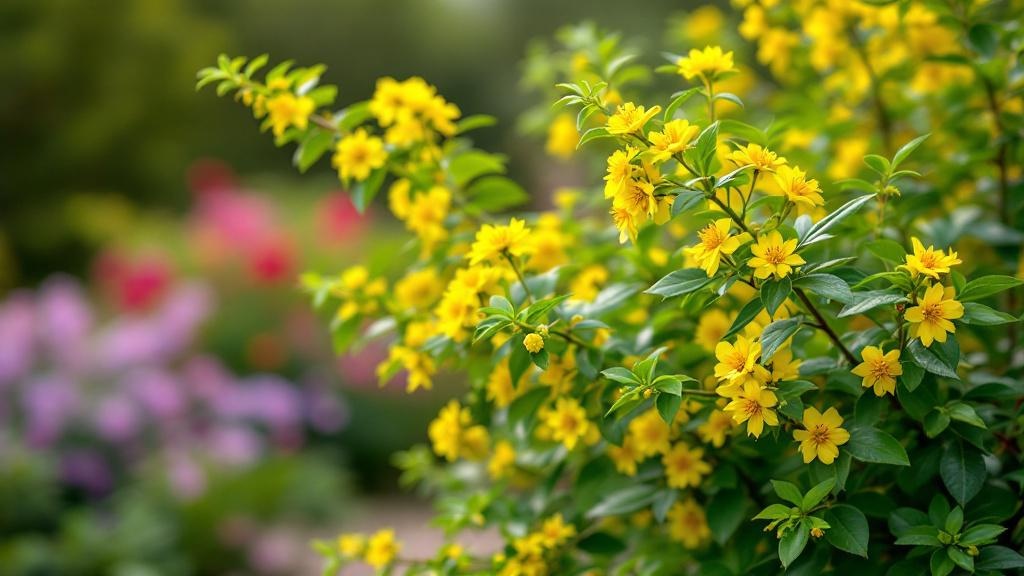
Japanese Kerria lights up shady garden corners with golden-yellow flowers from late April through May, making it a favorite among gardeners seeking reliable spring color. This arching shrub thrives where many flowering plants struggle — in partial to full shade. The most common question gardeners ask is how to keep it blooming abundantly year after year, which comes down to proper pruning timing and placement in the right light conditions.
Watering Japanese Kerria: Less Is More Once Established
Water newly planted Kerria weekly during the first growing season to establish strong roots. Once established, this shrub is remarkably drought-tolerant and typically thrives on natural rainfall in temperate climates. During extended dry spells in July and August, provide a deep watering every 10 to 14 days. Avoid waterlogged soil, which can lead to root rot.
Light Requirements: Embracing the Shade
Japanese Kerria performs best in partial shade, receiving 2 to 4 hours of filtered sunlight daily. Full shade is tolerated but reduces flowering. Avoid hot afternoon sun, especially in warmer zone 7 and 8 locations, as this bleaches the flowers and scorches leaves. North-facing walls and woodland edges are ideal planting spots.
Soil and Repotting: Creating the Right Foundation
Plant Kerria in moist, well-draining soil enriched with organic matter such as garden compost or well-rotted leaf mold. It tolerates a wide pH range from slightly acidic to slightly alkaline. When planting, dig a hole twice the root ball width and amend heavy clay soils with compost to improve drainage. Mulch annually in late March with 5 to 8 centimeters of bark chips or compost to retain moisture.
Temperature and Humidity: A Tough Performer
Japanese Kerria is fully hardy throughout zones 5 to 8, tolerating winter temperatures down to minus 25 degrees Celsius without protection. It handles typical temperate humidity levels without issue. The bright green stems provide attractive winter interest after leaves drop in October. No special winter protection is needed in Central Europe, Northern US, or UK gardens.
Fertilizing: Light Feeding for Best Results
Apply a balanced slow-release granular fertilizer in early April as new growth begins. A single annual feeding is sufficient for healthy plants in reasonably fertile soil. Avoid high-nitrogen feeds, which promote excessive leafy growth at the expense of flowers. For poor soils, add a thin layer of compost around the base each spring.
Common Problems: Pests, Diseases, and Fixes
Japanese Kerria is largely trouble-free but watch for a few issues. Leaf spot fungus can appear in wet summers — remove affected foliage and improve air circulation by thinning crowded stems in late June. Aphids occasionally colonize new growth in May; blast them off with water or treat with insecticidal soap. Canker can affect older stems, showing as sunken bark patches — prune out infected wood to healthy tissue and dispose of it, not in compost.
Frequently asked questions
How often should I water Japanese Kerria?
Water weekly only during establishment and dry spells; otherwise, rainfall is sufficient. Established shrubs are drought-tolerant and typically need supplemental water only during prolonged summer dry periods lasting more than two weeks. Overwatering causes more problems than underwatering with this resilient shrub.
Why is my Japanese Kerria not flowering?
Poor flowering is usually caused by incorrect pruning timing or too much shade. Kerria blooms on stems produced the previous year, so pruning in autumn or early spring removes flower buds. Prune immediately after flowering finishes in late May or early June. If planted in deep shade, consider relocating to a spot with more filtered light.
When does Japanese Kerria bloom?
Japanese Kerria blooms from late April through May in most temperate climates. The single or double yellow flowers appear on the previous year's growth and last 3 to 4 weeks. Some varieties, particularly Pleniflora, may produce a lighter second flush of blooms in early autumn.
How do I prune Japanese Kerria?
Prune Japanese Kerria immediately after flowering, typically in late May or early June. Cut back flowered stems by one-third to one-half to encourage fresh growth that will bloom next spring. Remove any dead, damaged, or crossing stems at ground level. Every 3 to 4 years, rejuvenate old plants by cutting one-third of the oldest stems to the base.
Is Japanese Kerria invasive?
Japanese Kerria spreads by underground suckers but is not considered invasive in most temperate regions. The suckers can be managed by removing unwanted shoots in spring or installing a root barrier at planting time. Many gardeners welcome the spreading habit for naturalizing shady banks or filling gaps in shrub borders.