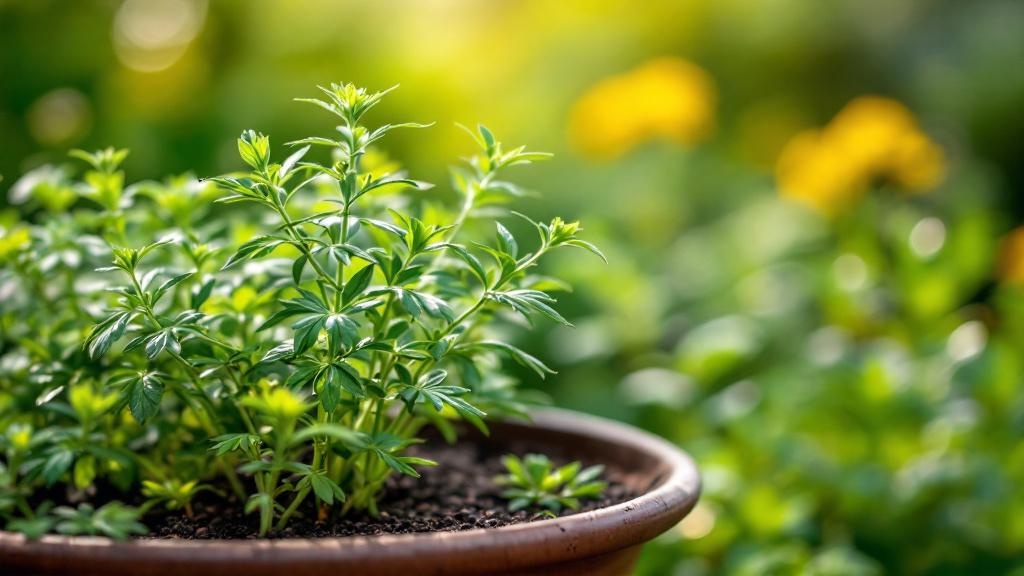
Asparagus Fern
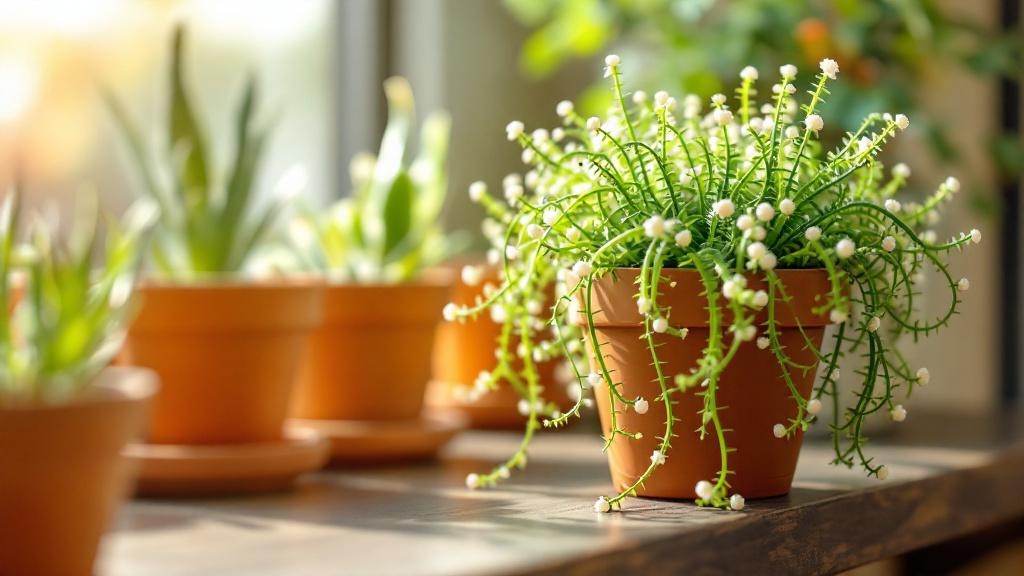
Asparagus fern (Asparagus setaceus) is a delicate, evergreen houseplant prized for its fine, needle-like foliage and trailing habit. Despite its name, it is not a true fern but a tender perennial from South Africa. The most common concern for gardeners in temperate zones is yellowing foliage and leaf drop, usually caused by inconsistent watering or low humidity.
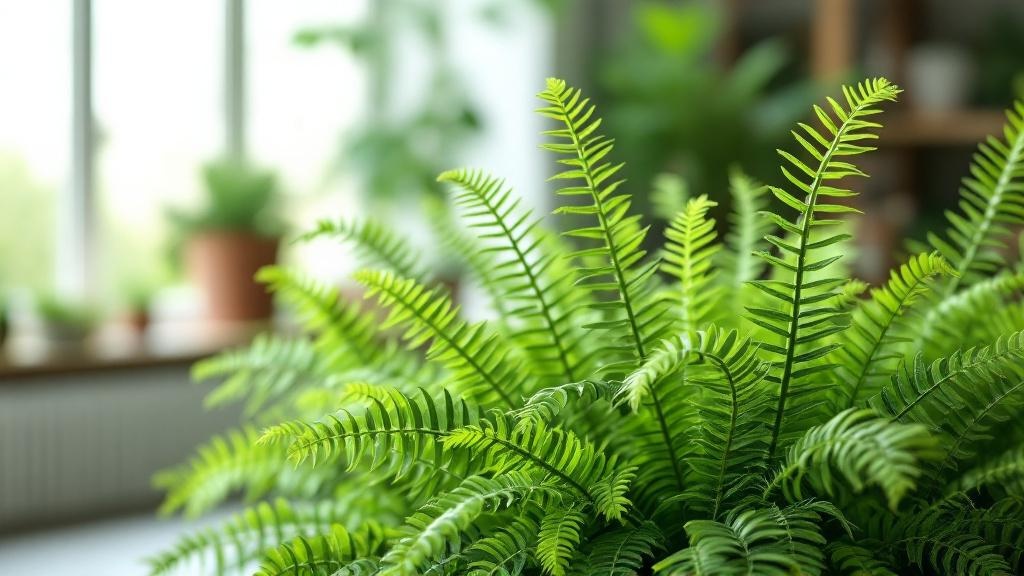
Watering Your Asparagus Fern
Water asparagus fern every 7-10 days during the growing season (spring and summer), keeping the soil evenly moist but not waterlogged. In autumn and winter, reduce watering to every 10-14 days as growth slows. Always use room-temperature water and check the top 2 cm of soil before watering; if it feels dry, water thoroughly. Be consistent—sudden drying out or waterlogging causes rapid leaf yellowing and drop, a hallmark complaint in temperate households.
Light Requirements for Asparagus Fern
Asparagus fern thrives in bright, indirect light. Place it near an east or north-facing window where it receives filtered sunlight for most of the day. Direct midday sun, especially through south-facing windows in late spring and summer, can scorch the delicate foliage. If your fern becomes leggy or pale, it is likely not receiving enough light; gradually move it closer to a window. In low light, growth stalls and pest infestations become more likely.
Soil & Repotting Asparagus Fern
Use a well-draining, slightly acidic potting mix—a blend of peat moss or coco coir with perlite and compost works well. Repot every 18-24 months in late spring when the plant becomes root-bound or growth visibly slows. Ensure the new pot has drainage holes to prevent waterlogging. Do not bury the crown too deep; keep it at the same level as before. The fine root system is sensitive, so handle gently during repotting.
Temperature & Humidity for Asparagus Fern
Maintain temperatures between 15-24°C; asparagus fern dislikes cold drafts and temperatures below 12°C, which cause stress and leaf drop. High humidity is essential—aim for 50-60% or higher. In temperate climates, winter heating indoors creates dry air; mist the foliage daily with a fine spray, group plants together, or use a pebble tray with water beneath the pot. Low humidity combined with heat is the main cause of brown, papery leaf tips.
Fertilizing Your Asparagus Fern
Feed with a balanced, diluted liquid fertilizer every 3-4 weeks during spring and summer (March to August in temperate zones). In autumn and winter, reduce feeding to every 6-8 weeks or stop altogether. Use a half-strength solution to avoid salt buildup, which is harmful to the delicate roots. If growth is slow or foliage is pale, apply a mild high-nitrogen feed to promote lush foliage before switching back to balanced nutrients.
Common Problems & Solutions
Yellowing foliage and leaf drop are the most common issues, caused by erratic watering, low humidity, or cold drafts—maintain consistent moisture and mist regularly. Spider mites thrive in hot, dry air and cause fine webbing and stippled leaves; increase humidity and spray the underside of stems weekly with water or neem oil. Scale insects occasionally attack asparagus ferns in poor light; inspect stems and treat with insecticidal soap if spotted. Brown leaf tips signal low humidity or mineral buildup—use distilled water and boost misting.
Frequently asked questions
How often should I water my asparagus fern?
Water every 7-10 days in spring and summer, keeping the soil evenly moist but not soggy. In autumn and winter, extend watering to every 10-14 days. Always check that the top 2 cm of soil is dry before watering.
Why are my asparagus fern leaves turning yellow?
Yellow foliage usually results from inconsistent watering (either too much or too little), low humidity, or cold drafts. Ensure the soil stays evenly moist, mist daily in dry conditions, and keep the plant away from heating vents and cold windows.
What light does an asparagus fern need?
Asparagus fern prefers bright, indirect light near an east or north-facing window. Avoid direct midday sun, which scorches foliage. In low light, the plant becomes leggy and weak.
Is asparagus fern toxic to cats and dogs?
Yes, asparagus fern is mildly toxic to cats and dogs. Ingestion of the foliage can cause digestive upset. Keep the plant out of reach of pets and wash your hands after handling.
How do I increase humidity for my asparagus fern?
Daily misting with lukewarm water is the simplest method. Place the pot on a pebble tray filled with water, group plants together, or set a humidifier nearby. Aim for 50-60% humidity to prevent brown leaf tips.
🩺 Common diseases and pests
These problems commonly affect this plant. Click any to see full symptom descriptions, organic and chemical treatment, and prevention.