Lettuce
Lettuce is one of the easiest vegetables to grow at home, whether in a garden bed, raised planter, or windowsill container. Most gardeners in temperate climates struggle with bolting (premature flowering) and bitter leaves in summer heat. This guide covers everything from seed to harvest, helping you grow sweet, crisp lettuce spring through autumn.
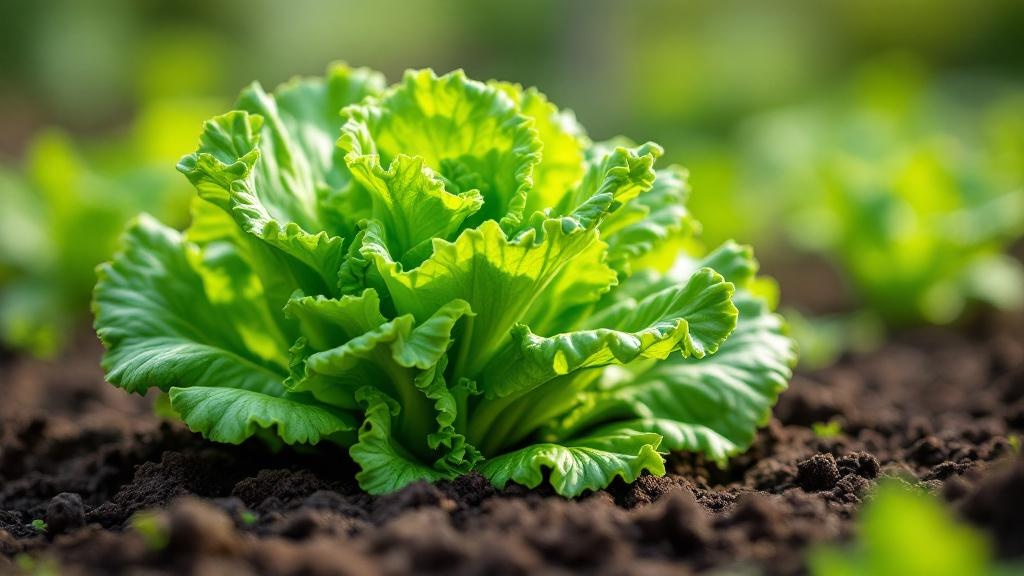
Watering Lettuce Properly
Lettuce needs consistently moist soil but not waterlogged—aim for a soil moisture level like a wrung-out sponge. Water deeply 5-7 times per week in spring and autumn, and daily during summer or dry spells. Morning watering reduces fungal disease risk. Inconsistent watering causes bitter flavour and tip burn (brown leaf edges), so mulch around plants to retain moisture and regulate temperature.
Light Requirements for Crisp Leaves
Lettuce thrives with 6-8 hours of sunlight daily, but benefits from afternoon shade in summer (June-August) to prevent bolting. In early spring and autumn, a south-facing position is ideal. For indoor growing or windowsill containers, place lettuce in bright, indirect light; leggy seedlings indicate insufficient light. Succession sow every 2-3 weeks for continuous harvest.
Soil and Container Planting
Use loose, nutrient-rich soil with good drainage—a mix of garden soil, compost, and perlite works well. Container lettuce needs pots at least 6-8 inches deep for loose-leaf varieties, 10-12 inches for romaine. In spring (late March onwards), sow seeds directly into soil or start indoors 4-6 weeks before last frost. Thin seedlings to 6-8 inches apart to allow full leaf development.
Temperature and Humidity Management
Lettuce is a cool-season crop, germinating at 50-70°F and thriving at 55-70°F. Above 75°F, it bolts rapidly and becomes bitter. In temperate zones, spring and autumn plantings produce the best quality. High humidity (50-70%) is ideal; ensure good air circulation around plants to prevent powdery mildew. In winter (November-February), grow lettuce indoors or in cold frames in zones 5-7.
Fertilizing for Tender Growth
Lettuce is a light feeder but benefits from nitrogen-rich fertilizer. Mix compost into soil at planting, then side-dress with balanced organic fertilizer (10-10-10) every 3-4 weeks, or use weekly liquid seaweed/fish emulsion diluted to half strength. Avoid over-fertilizing, which encourages leafy growth but can reduce flavour. Stop fertilizing 1-2 weeks before harvest.
Common Problems and Solutions
Tip burn (brown leaf edges) results from inconsistent watering and low calcium—keep soil evenly moist and add lime if needed. Powdery mildew appears in humid, poorly ventilated conditions; improve airflow and spray with sulphur or neem oil early morning. Slugs and aphids are common in spring and autumn—use copper tape barriers, hand-pick slugs at dusk, or spray affected plants with dilute insecticidal soap.
Frequently asked questions
How often should I water lettuce?
Water lettuce 5-7 times per week in spring and autumn, keeping soil consistently moist but not soggy. In summer, daily watering may be necessary in warm, dry weather. Morning watering reduces fungal disease and helps leaves absorb moisture throughout the day.
Why is my lettuce bolting and turning bitter?
Bolting occurs when temperatures consistently exceed 75°F (24°C), signalling the plant to flower. Grow lettuce in spring (March-May) and autumn (August-October) in temperate zones, provide afternoon shade in summer, and choose bolt-resistant varieties like 'Salvius' or 'Frisee'. Once bolted, the plant is past peak eating quality.
Can I grow lettuce indoors?
Yes, lettuce grows well indoors in bright windows (south or west-facing) or under grow lights providing 12-14 hours daily. Use shallow containers (6-8 inches deep), well-draining soil, and keep temperatures between 55-70°F. Indoor-grown lettuce matures in 4-6 weeks and avoids garden pests.
What causes brown tips on lettuce leaves?
Tip burn is caused by calcium deficiency and inconsistent watering, compounded by low humidity and uneven soil moisture. Maintain steady moisture, ensure soil pH is 6.0-7.0 (add lime if acidic), and mist leaves in dry weather. Avoid high-nitrogen fertilizers, which can lock up calcium uptake.
When can I harvest lettuce?
Loose-leaf varieties are harvestable in 4-5 weeks by picking outer leaves; heads like romaine take 6-8 weeks for full maturity. Harvest in early morning when leaves are crisp and cool. Regular harvesting encourages more leaf production; stop harvesting 1-2 weeks if the plant shows signs of bolting.
🩺 Common diseases and pests
These problems commonly affect this plant. Click any to see full symptom descriptions, organic and chemical treatment, and prevention.