Parsley
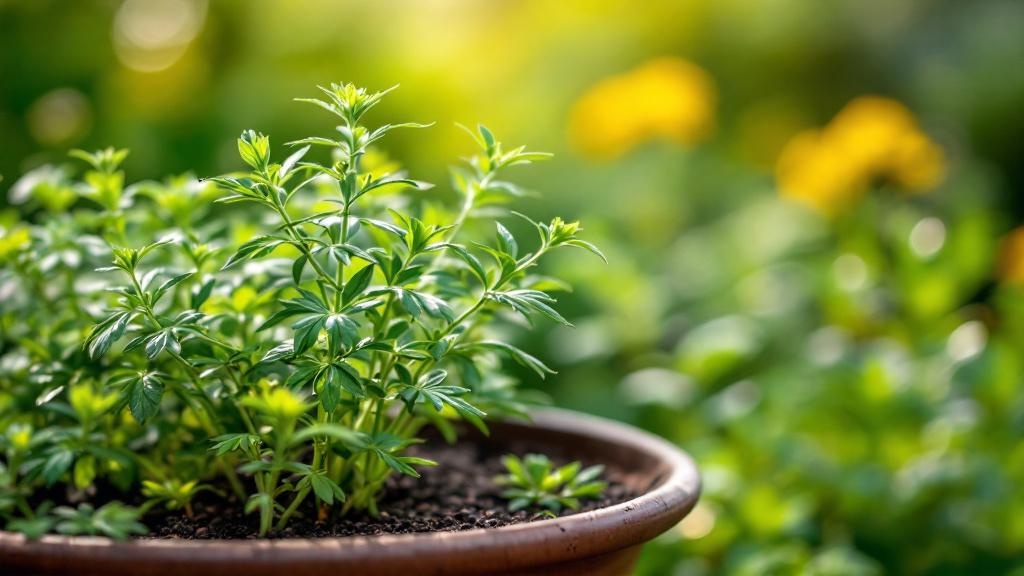
Parsley is one of the most rewarding herbs to grow at home—it's forgiving, productive, and ready to harvest within weeks. Whether you're growing it in a pot on a sunny kitchen windowsill or in your garden bed, the main question every grower asks is: how often should I water it, and why do the leaves sometimes turn yellow? We'll answer that and more.
Watering Parsley
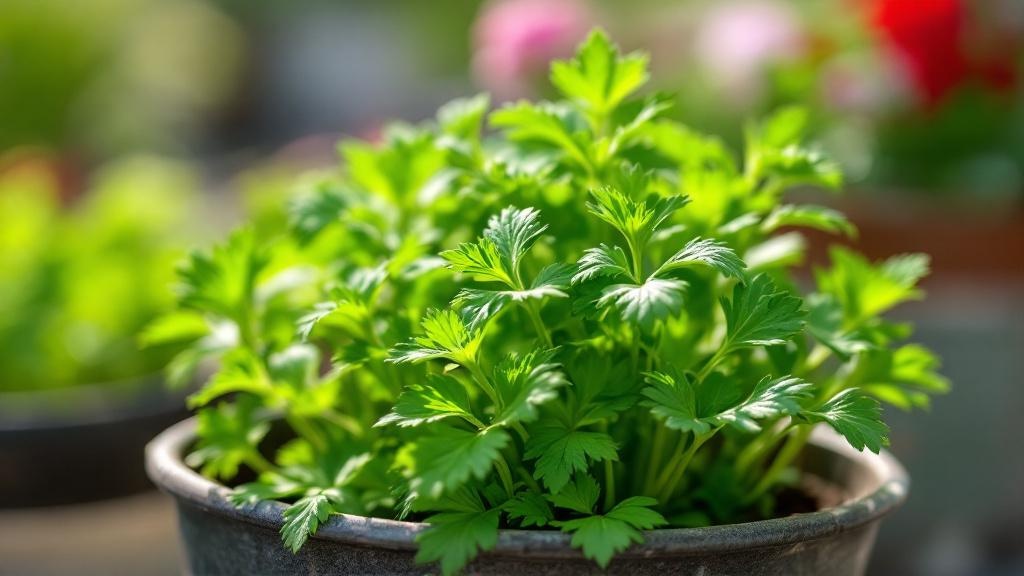
Parsley prefers consistently moist soil but will rot if waterlogged. Water when the top inch of soil feels dry to the touch—typically every 5-7 days in summer, less frequently in winter. In temperate climates, outdoor parsley needs more frequent watering during dry spells in June through August. Always water at soil level rather than over the leaves to reduce fungal disease risk.
Light Requirements
Parsley needs 6-8 hours of direct sunlight daily to develop strong flavor and vibrant green color. South-facing or west-facing windowsills are ideal for indoor plants. In temperate regions, provide bright light year-round; parsley can tolerate partial shade in late summer, but growth will slow significantly. If growing indoors under grow lights, position them 15-20 cm above the plant.
Soil and Repotting
Use well-draining, fertile potting soil enriched with compost or aged manure. Parsley prefers neutral to slightly alkaline soil (pH 6.5-7.0). For container growing, choose a pot at least 20 cm deep with drainage holes. Repot seedlings once they develop 2-3 true leaves, or transplant to larger pots every 8-10 weeks if growing for extended harvest.
Temperature and Humidity
Parsley is cold-hardy and actually prefers cooler temperatures between 15-20°C, making it ideal for spring and autumn growing in temperate climates. It can tolerate light frosts down to -7°C outdoors. Humidity should be moderate; avoid placing pots in hot, dry spots near radiators or vents. In winter, reduce watering slightly as growth slows in temperatures below 10°C.
Fertilizing Parsley
Apply a balanced, slow-release fertilizer (NPK 10-10-10) every 4-6 weeks during the growing season (April through September in temperate zones). Alternatively, side-dress with compost every 6-8 weeks. Avoid over-fertilizing with nitrogen, which can reduce flavor intensity. Stop fertilizing by late September to harden plants for winter.
Common Problems and Solutions
Yellow leaves often indicate overwatering or poor drainage—check soil moisture and ensure pots have drainage holes. Parsley worm (black swallowtail caterpillar larvae) may appear on outdoor plants in summer; handpick or allow beneficial insects to control them naturally. Powdery mildew can develop in humid, poorly ventilated spaces—improve air circulation and water only at the base of the plant.
Frequently asked questions
How often should I water parsley?
Water parsley when the top inch of soil is dry, typically every 5-7 days in summer and 7-10 days in winter. Always check soil moisture before watering to avoid overwatering, which causes root rot and yellowing leaves.
Can I grow parsley indoors year-round?
Yes, parsley grows indoors year-round with 6-8 hours of bright light and consistent temperatures between 15-20°C. A south-facing windowsill is ideal; in winter, a grow light can supplement natural daylight in northern temperate regions.
Why are my parsley leaves turning yellow?
Yellow leaves usually indicate overwatering or poor drainage. Allow the soil to dry slightly between waterings and ensure your pot has drainage holes. Nutrient deficiency is another cause—apply balanced fertilizer every 6 weeks during the growing season.
How long does parsley take to grow from seed?
Parsley takes 2-3 weeks to germinate and 8-10 weeks to reach harvest size. Speed up germination by soaking seeds for 24 hours before planting. Once established, you can begin cutting outer stems at 10-12 weeks for continuous harvest.
Is parsley toxic to cats or dogs?
No, parsley is completely safe for cats and dogs. However, pregnant pets should avoid large quantities. It's actually used in some natural pet supplements for its nutritional benefits.
🩺 Common diseases and pests
These problems commonly affect this plant. Click any to see full symptom descriptions, organic and chemical treatment, and prevention.