Meadow Cranesbill
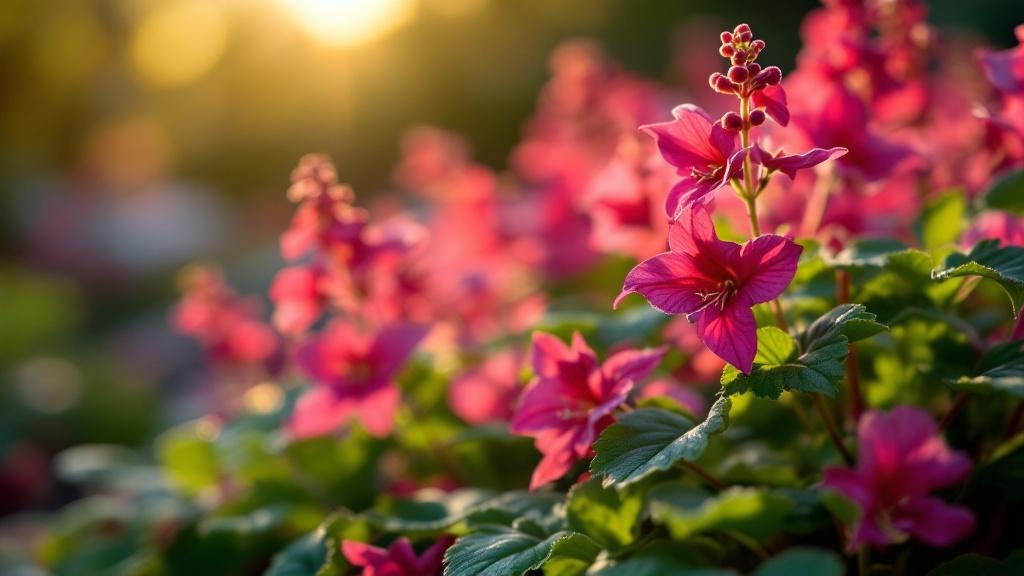
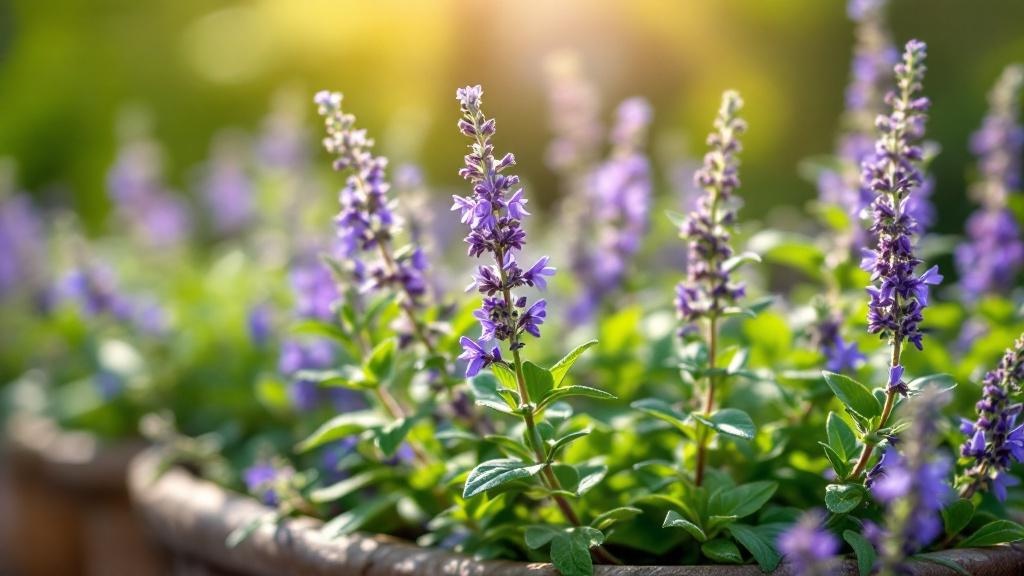
Meadow Cranesbill (Geranium pratense) is one of the most beloved hardy geraniums, cherished for its elegant violet-blue flowers and deeply lobed foliage. Native to meadows across Europe and northern Asia, this tough perennial thrives in temperate gardens with minimal fuss. The most common question gardeners ask is how to keep it blooming longer and prevent the mid-summer flop that often follows the first flush of flowers.

Watering Meadow Cranesbill: Finding the Right Balance
Water newly planted Meadow Cranesbill weekly during the first growing season to establish deep roots. Once established, this resilient perennial tolerates drought well and typically needs supplemental water only during extended dry spells in July and August. Water at the base of the plant in the morning to keep foliage dry and prevent fungal issues. In average temperate summers, natural rainfall is often sufficient for mature plants.
Light Requirements for Healthy Growth
Meadow Cranesbill performs best in full sun to partial shade, ideally receiving 4-6 hours of direct sunlight daily. In warmer zone 7-8 gardens, afternoon shade helps prevent leaf scorch during heat waves. Plants grown in too much shade become leggy and produce fewer flowers. Morning sun with dappled afternoon light creates ideal conditions for prolific blooming.
Soil and Repotting for Geranium pratense
Plant Meadow Cranesbill in well-draining, moderately fertile soil with a pH between 6.0 and 7.5. Heavy clay soils should be amended with compost and grit to improve drainage. This perennial rarely needs dividing, but clumps can be split every 3-4 years in early spring (late March to April) or autumn (September to October) to rejuvenate older plants. Add a thin layer of compost around the base each spring to maintain soil health.
Temperature and Humidity Preferences
Meadow Cranesbill is exceptionally cold-hardy, surviving winters down to minus 30C without protection in zones 5-8. It thrives in the moderate humidity typical of Central European and UK climates. Hot, humid conditions above 30C can stress the plant, causing temporary wilting. Cut back foliage in late autumn after the first hard frost, and apply a light mulch in zone 5 gardens for extra winter protection.
Fertilizing for Abundant Blooms
Feed Meadow Cranesbill once in early spring (April) with a balanced slow-release fertilizer or a 5cm layer of well-rotted compost. Avoid high-nitrogen feeds, which promote leafy growth at the expense of flowers. A light application of bone meal in autumn supports root development before winter dormancy. Over-fertilizing leads to floppy growth and reduced flowering.
Common Problems and How to Fix Them
Powdery mildew appears as white patches on leaves during humid late summer weather; improve air circulation by thinning crowded growth and avoid overhead watering. Slugs and snails target young spring growth in April and May; use beer traps or organic slug pellets around emerging shoots. Capsid bugs cause distorted leaves and flowers with small brown-edged holes; remove affected growth and consider an organic insecticidal soap if infestations are severe.
Frequently asked questions
How often should I water Meadow Cranesbill?
Water established Meadow Cranesbill only during extended dry periods, roughly every 10-14 days without rain in summer. Newly planted specimens need weekly watering during their first season. This hardy perennial is quite drought-tolerant once its deep root system develops.
Why are my Meadow Cranesbill leaves turning yellow?
Yellow leaves typically indicate overwatering or poor drainage causing root stress. Check that your soil drains freely and reduce watering frequency. Older leaves naturally yellow and die back after flowering, which is normal behavior rather than a problem.
When does Meadow Cranesbill bloom?
Meadow Cranesbill blooms from late May through July in most temperate gardens. Cutting the plant back by one-third after the first flush fades (the Chelsea Chop) encourages a second bloom in late summer. Individual flowers last about a week, but the overall display continues for 6-8 weeks.
Is Meadow Cranesbill toxic to cats?
Meadow Cranesbill is not toxic to cats or dogs. This makes it a safe choice for gardens where pets roam freely. Unlike some ornamental geraniums (Pelargonium species), true hardy geraniums like Geranium pratense pose no poisoning risk.
How do I stop Meadow Cranesbill from flopping over?
Cut the entire plant back by half in late June after the first flowering to prevent the mid-summer flop and encourage compact regrowth. You can also use grow-through plant supports installed in April before stems get tall. Planting in full sun rather than shade also produces sturdier, more upright growth.