Periwinkle
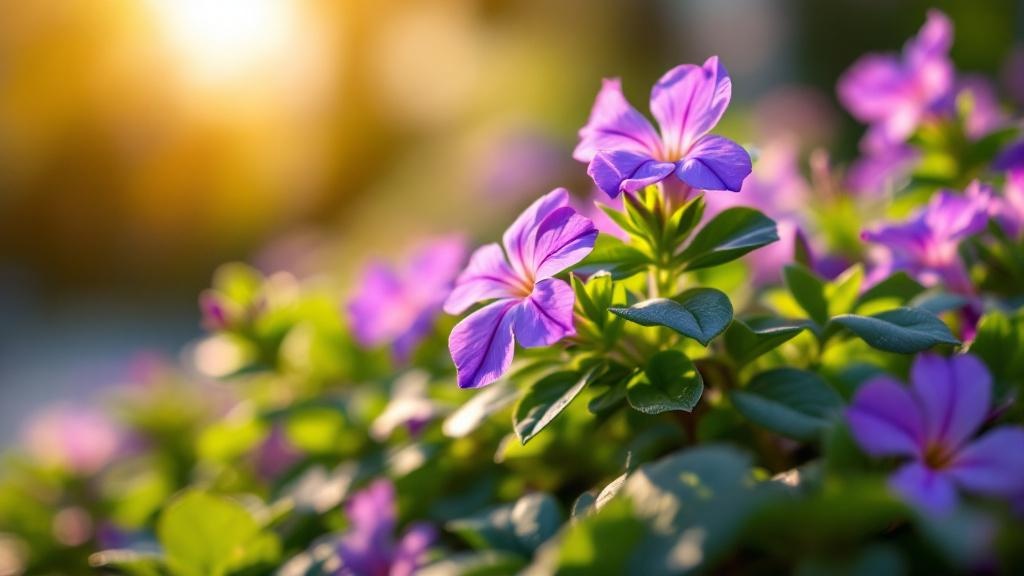
Periwinkle is one of the most dependable ground covers for shady spots where grass refuses to grow. This evergreen trailing plant bursts into delicate violet-blue blooms from April through May, then maintains attractive glossy foliage year-round. The most common question gardeners ask is how to control its spread while keeping it healthy. Whether you're covering a shady bank or filling gaps beneath trees, understanding Periwinkle's simple needs will reward you with decades of carefree beauty.
How to Water Periwinkle
Water newly planted Periwinkle weekly during the first growing season until roots establish, typically by late September. Once established, Periwinkle is remarkably drought-tolerant and rarely needs supplemental watering in temperate climates except during extended dry spells in July and August. Overwatering causes more problems than underwatering — yellowing leaves often signal too much moisture rather than too little.
Light Requirements for Vinca Minor
Periwinkle performs best in partial shade to full shade, making it ideal for north-facing borders and beneath deciduous trees. It tolerates morning sun but struggles in hot afternoon exposure, especially in southern areas of zones 7-8. Plants grown in deeper shade produce fewer flowers but maintain excellent foliage density. For maximum spring blooms, aim for 2-4 hours of dappled sunlight.
Soil and Repotting Needs
Periwinkle adapts to almost any soil type, from sandy to clay, as long as drainage is adequate. It thrives in slightly acidic to neutral pH (6.0-7.5) but tolerates alkaline conditions found in many Central European gardens. When planting in heavy clay, amend with organic matter or sharp sand to improve drainage. Space plants 30-45 cm apart in early spring (late March to April) or early autumn (September) for quickest coverage.
Temperature and Humidity Preferences
Periwinkle is fully hardy throughout USDA zones 4-8, tolerating winter temperatures down to -30°C (-22°F) without protection. It handles the wet winters typical of the UK and Northern Europe without issue. Summer heat above 30°C (86°F) may cause temporary wilting, but plants recover quickly with evening cooling. No special humidity requirements make this plant exceptionally easy for temperate gardeners.
Fertilizing Periwinkle Ground Cover
Established Periwinkle rarely needs fertilizing in average garden soil. If growth seems sparse, apply a balanced slow-release granular fertilizer (10-10-10) once in early April as new growth emerges. Avoid high-nitrogen feeds which promote leggy growth at the expense of flowers. A thin layer of compost in autumn provides gentle nutrition while improving soil structure.
Common Periwinkle Problems and Solutions
Vinca stem blight (Phoma exigua) causes dark brown cankers and shoot dieback, especially in humid conditions — remove affected stems immediately and improve air circulation by thinning dense patches. Aphids may cluster on new growth in May and June; a strong water spray or insecticidal soap controls minor infestations. Root rot occurs in waterlogged soil; if plants yellow and collapse, improve drainage or relocate to a better-drained spot.
Frequently asked questions
How often should I water Periwinkle?
Water Periwinkle weekly only during its first year while establishing. Once rooted, it needs watering only during prolonged drought periods lasting 3-4 weeks without rain. Overwatering causes more problems than neglect with this tough ground cover.
Why are my Periwinkle leaves turning yellow?
Yellow Periwinkle leaves usually indicate overwatering or poor drainage causing root stress. Check that soil drains freely and reduce watering frequency. Less commonly, yellowing can signal nitrogen deficiency in very poor soils, treatable with a light application of balanced fertilizer in spring.
When does Periwinkle bloom?
Periwinkle blooms primarily from mid-April through late May in temperate climates, with peak flowering in early May. Some varieties produce scattered secondary blooms throughout summer and into September. Plants in deeper shade flower less prolifically than those receiving morning sun.
Is Periwinkle toxic to cats and dogs?
Yes, Periwinkle is toxic to cats and dogs if ingested. It contains vinca alkaloids that cause vomiting, diarrhea, low blood pressure, and in severe cases neurological symptoms. Keep pets away from plantings and contact your vet immediately if ingestion is suspected.
How do I stop Periwinkle from spreading too much?
Control Periwinkle spread by installing a physical root barrier 15-20 cm deep around the planting area. Trim back runners twice yearly in June and September with garden shears. For established invasions, hand-pull rooting stems after rain when soil is soft, removing as much root as possible.