Large-leaved Lime
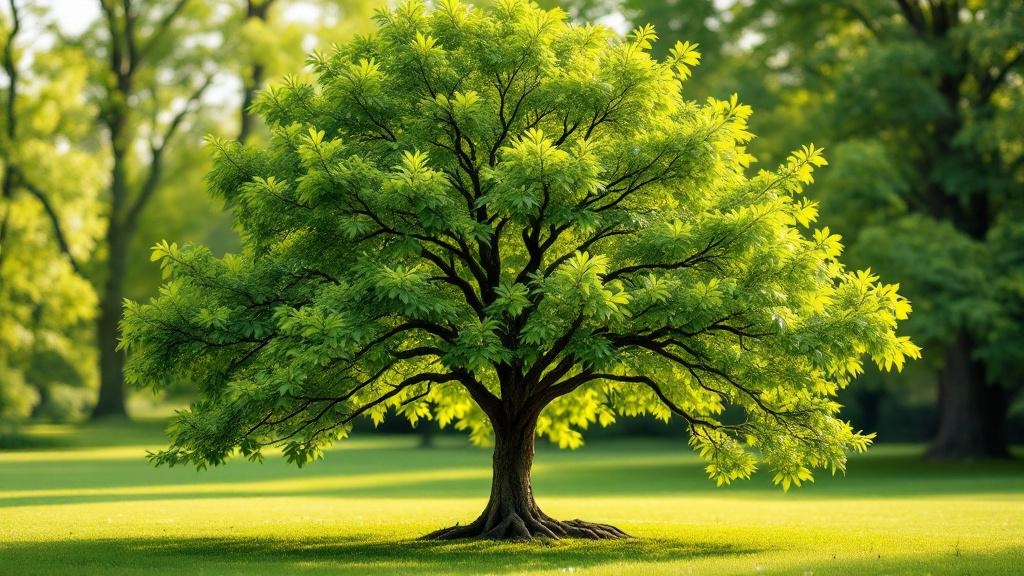
The Large-leaved Lime, or Tilia platyphyllos, is one of Europe's most treasured native shade trees, often living for centuries in parks and large gardens. Its sweetly scented June flowers attract countless pollinators and have been harvested for linden tea for generations. The most common question gardeners ask is whether this grand tree suits their space, as mature specimens reach 25-40 meters. Understanding its needs from planting ensures decades of beauty and cooling summer shade.
Watering Your Large-leaved Lime Tree
Newly planted trees need deep watering every 7-10 days during the first two growing seasons, especially during dry spells from May through August. Once established after 3-4 years, mature limes are remarkably drought-tolerant and rarely need supplemental watering except during extended summer droughts. Water slowly at the drip line to encourage deep root development rather than shallow surface roots.
Light Requirements for Healthy Growth
Large-leaved Limes thrive in full sun but tolerate partial shade remarkably well, making them adaptable to various garden situations. In temperate climates, a south or west-facing position promotes the best flowering and symmetrical crown development. Young trees can establish successfully under the light canopy of other trees before eventually overtopping them.
Soil Conditions and Planting
Plant your lime tree in deep, fertile, moisture-retentive soil with good drainage between October and March while dormant. This species tolerates both slightly acidic and alkaline soils, including chalky conditions common across Central Europe and southern England. Dig a planting hole twice the width of the rootball and stake young trees for the first two years. Avoid compacted soils near construction sites, as limes need good soil aeration.
Temperature and Climate Tolerance
The Large-leaved Lime is fully hardy throughout USDA zones 5-8, tolerating winter temperatures down to minus 25 Celsius without protection. Late spring frosts in April may occasionally damage new growth, but trees recover quickly. This species handles urban heat and pollution better than many native trees, making it excellent for city gardens with adequate space.
Fertilizing Established Trees
Young trees benefit from a spring application of balanced slow-release fertilizer in late March or early April as buds swell. Apply granular fertilizer in a ring around the drip line, not against the trunk, at a rate of about 100 grams per year of tree age up to 1 kilogram maximum. Mature specimens rarely need fertilizing if grown in reasonably fertile garden soil, as fallen leaves provide natural nutrient cycling.
Common Pests and Problems
Aphids are the most frequent issue, causing sticky honeydew deposits and subsequent sooty mold on leaves and anything beneath the canopy from June onwards. Lime aphids rarely harm tree health but create a nuisance; encourage natural predators like ladybirds or apply winter wash in December. Red spider mites may appear during hot, dry summers, causing bronze leaf discoloration. Occasionally watch for signs of Phytophthora root rot in poorly drained sites, evidenced by crown dieback and bleeding cankers.
Frequently asked questions
How big does a Large-leaved Lime tree grow?
A mature Large-leaved Lime typically reaches 25-40 meters tall with a spread of 15-25 meters. Growth rate is moderate at about 30-60 centimeters per year when young. This is a tree for large gardens, parks, or estates rather than small suburban plots.
When does Large-leaved Lime flower?
Large-leaved Lime flowers in June, slightly earlier than Common Lime, with creamy-yellow fragrant blossoms lasting 2-3 weeks. The flowers hang in clusters of 2-5 blooms beneath pale green bracts. They are highly attractive to bees and can be harvested for making traditional linden flower tea.
Is Large-leaved Lime toxic to cats and dogs?
No, Large-leaved Lime is completely non-toxic to cats, dogs, and other pets. The flowers are actually edible and have been used in herbal teas for centuries. Fallen leaves and seeds pose no poisoning risk to animals or children.
Why are my lime tree leaves turning yellow?
Yellow leaves on lime trees typically indicate either waterlogging, drought stress, or iron chlorosis in very alkaline soils. Check soil drainage first, as limes dislike sitting in waterlogged conditions during autumn and winter. In high-pH soils above 7.5, apply sequestered iron fertilizer in April to correct yellowing between leaf veins.
How do I prune a Large-leaved Lime tree?
Prune Large-leaved Lime during full dormancy between November and February to avoid bleeding sap. Remove dead, crossing, or damaged branches and maintain a clear trunk by removing suckers at ground level. Limes respond well to hard pruning and pollarding if size control is needed, traditionally done on a 3-5 year cycle.
🩺 Common diseases and pests
These problems commonly affect this plant. Click any to see full symptom descriptions, organic and chemical treatment, and prevention.