Pampas Grass
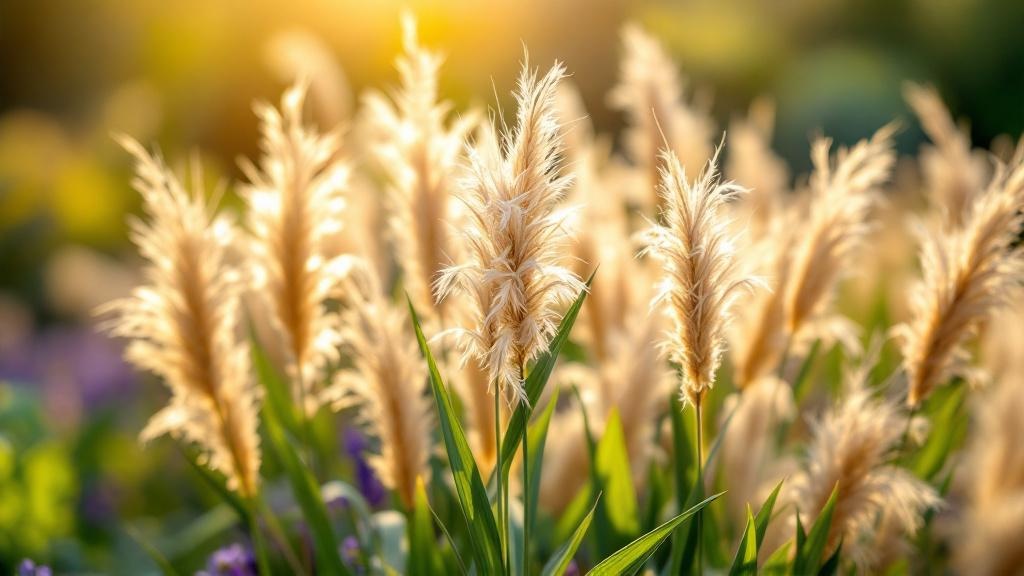
Pampas Grass has become one of the most sought-after ornamental grasses for creating dramatic focal points in temperate gardens. Its iconic silvery-white plumes, which can reach 3 meters tall, make a stunning statement from late August through winter. The most common question gardeners ask is whether Pampas Grass can survive cold winters — and the answer is yes, with proper placement and minimal protection in USDA zones 5-8.
Watering Your Pampas Grass Through the Seasons
Water newly planted Pampas Grass deeply once a week during the first growing season to establish strong roots. Once established, typically by the second spring, this grass is remarkably drought-tolerant and only needs supplemental watering during extended dry spells in July and August. Avoid overwatering, as soggy soil leads to root rot. In winter, natural rainfall in temperate climates is usually sufficient.
Light Requirements for Maximum Plume Production
Pampas Grass demands full sun — at least 6 hours of direct sunlight daily — to produce its signature plumes. In partial shade, the plant becomes leggy and produces sparse, disappointing flower heads. Position it in the sunniest spot in your garden, ideally south or west-facing. Insufficient light is the primary reason gardeners fail to see blooms.
Soil and Planting for Long-Term Success
Plant Pampas Grass in spring, from late April to early June, to allow root establishment before winter. It tolerates virtually any soil type, from sandy to clay, as long as drainage is adequate. Dig a hole twice the width of the root ball and plant at the same depth it was in the container. Space multiple plants 2 to 2.5 meters apart, as mature clumps spread significantly.
Temperature Tolerance and Winter Protection
Pampas Grass is hardy through zone 5, surviving temperatures down to minus 15°C once established. In colder areas of Northern England, Scotland, or the northern US, apply a 10-centimeter layer of mulch around the base in late November. Leave the foliage standing through winter — it protects the crown from frost and adds winter garden interest. Avoid cutting back until late March.
Feeding for Vigorous Growth and Plumes
Apply a balanced slow-release granular fertilizer in mid-April as new growth emerges. A single annual feeding is sufficient for healthy plants. Avoid high-nitrogen fertilizers, which promote leaf growth at the expense of plumes. Over-fertilizing can also make the plant floppy and prone to splitting in the center.
Common Problems and Regional Pests
The most frequent issue is lack of flowering, usually caused by insufficient sunlight, cutting back too late in spring, or plants being too young — expect plumes from the second or third year. In damp temperate summers, watch for fungal leaf spots; improve air circulation and avoid overhead watering. Aphids occasionally colonize new growth in May and June; a strong water spray or insecticidal soap controls them effectively.
Frequently asked questions
How often should I water Pampas Grass?
Water established Pampas Grass only during prolonged dry periods in summer, roughly every 2-3 weeks if rainfall is absent. New plants need weekly deep watering throughout their first growing season. This grass is highly drought-tolerant once its deep root system develops.
Why is my Pampas Grass not flowering?
The most common reason is insufficient sunlight — Pampas Grass needs at least 6 hours of direct sun daily. Young plants may not bloom until their second or third year. Cutting back too late in spring, after mid-April, can also remove developing flower stems.
When should I cut back Pampas Grass?
Cut back Pampas Grass in late February to late March, before new growth begins. Use hedge shears or a reciprocating saw to cut the entire clump down to 15-30 centimeters. Always wear thick gloves and long sleeves, as the leaf edges are razor-sharp.
Is Pampas Grass toxic to cats and dogs?
No, Pampas Grass is not toxic to cats or dogs. However, the sharp leaf margins can cause cuts to curious pets. Consider planting it away from pathways and areas where pets frequently play.
Can Pampas Grass survive winter in the UK?
Yes, Pampas Grass is fully hardy throughout the UK and survives typical winters without protection. In exposed northern gardens or during severe cold snaps, a mulch layer around the base in November provides extra insurance. Leave the foliage intact until spring to protect the crown.