Flaming Sword
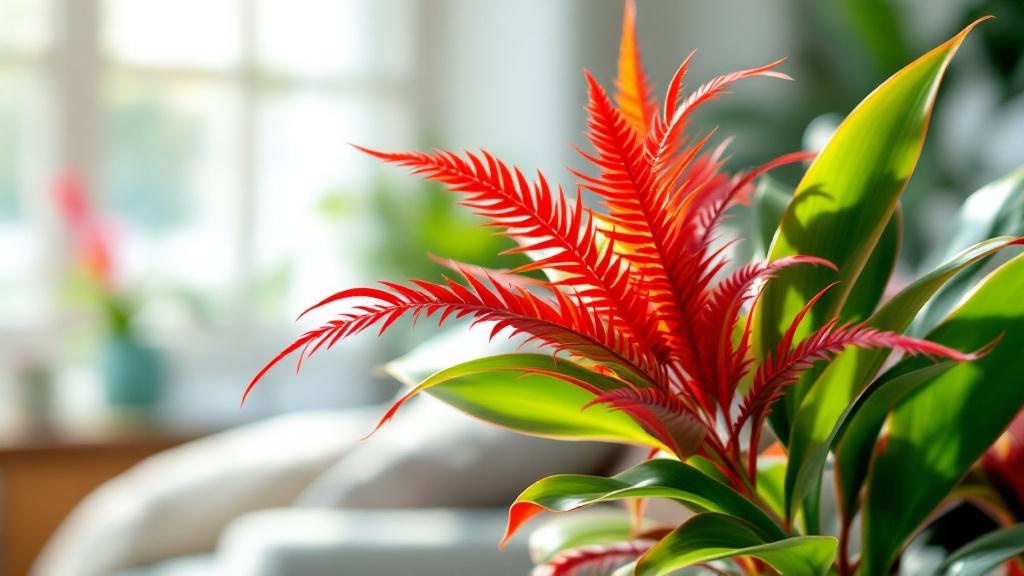
The Flaming Sword bromeliad earns its dramatic name from its spectacular red flower spike that can last for months. Native to tropical rainforests, this epiphytic plant has become a beloved houseplant for adding bold color to indoor spaces. The most common question plant owners ask is how to water this unusual plant correctly, since Vriesea splendens drinks through its central rosette rather than its roots like most houseplants.
Watering Your Flaming Sword Correctly
Fill the central cup (tank) with room-temperature water and keep it about one-third full at all times. Empty and refill the cup every 7-10 days to prevent stagnation and bacterial growth. In winter, reduce watering frequency as the plant slows down. The soil should stay barely moist but never waterlogged, as the roots primarily anchor the plant rather than absorb water.
Light Requirements for Vriesea Splendens
Place your Flaming Sword in bright, indirect light such as near an east or north-facing window. Direct afternoon sun will scorch the leaves, causing brown patches. In temperate climates, you can give it some gentle morning sun from October through March when light levels are lower. If leaves lose their distinctive banding pattern, the plant needs more light.
Soil and Repotting Guidelines
Use a fast-draining orchid bark mix or specialized bromeliad soil rather than standard potting compost. Flaming Swords have small root systems and rarely need repotting, perhaps once every 2-3 years. Choose a pot only slightly larger than the root ball to prevent water retention. Repot in late April or May when the plant enters active growth.
Temperature and Humidity Needs
Keep your Vriesea at 18-27°C and never below 15°C, as cold damage appears quickly on tropical bromeliads. In temperate homes, avoid placing it near radiators or cold draughts from windows during winter. Humidity of 50-60% is ideal. Mist the leaves every few days or place the pot on a pebble tray with water, especially from October to March when central heating dries indoor air.
Fertilizing Your Bromeliad
Feed monthly from April through September using a balanced liquid fertilizer diluted to quarter strength. Apply the fertilizer to the central cup and mist onto leaves rather than soil. Stop feeding entirely from October to March during the rest period. Over-fertilizing causes salt buildup and can damage the plant, so less is more with bromeliads.
Common Problems and Solutions
Brown leaf tips usually indicate low humidity or fluoride in tap water; switch to rainwater or filtered water and increase humidity. Fungus gnats may appear if the soil stays too wet; let the soil dry more between waterings and use sticky traps. Mealybugs occasionally hide in leaf axils; dab them with rubbing alcohol on a cotton swab and check weekly until gone.
Frequently asked questions
How often should I water a Flaming Sword plant?
Fill the central cup with water every 7-10 days and keep the soil barely moist. Empty and refill the cup weekly to prevent bacteria buildup. Reduce watering in winter when the plant rests.
Why are my Flaming Sword leaves turning yellow?
Yellow leaves typically signal overwatering or water sitting in the cup too long. Ensure the soil drains well and refresh the cup water weekly. Some lower leaf yellowing is natural as the plant ages.
How do I get my Vriesea to bloom?
Mature plants bloom naturally after 3-5 years, and you can encourage flowering by placing a ripe apple near the plant for two weeks in a sealed plastic bag. The ethylene gas triggers blooming. Once a rosette blooms, it will not flower again but produces offsets.
Is Flaming Sword toxic to cats?
No, Flaming Sword is non-toxic and safe for cats, dogs, and children. It is one of the pet-friendly houseplant options you can keep without worry. However, the stiff leaves could cause mild irritation if chewed extensively.
When does a Flaming Sword flower?
Flaming Sword typically blooms when the plant is 3-5 years old, often in late spring or summer. The spectacular red flower spike lasts 3-5 months before fading. After flowering, the mother plant slowly dies but produces pups to continue growing.