Strawberry Begonia
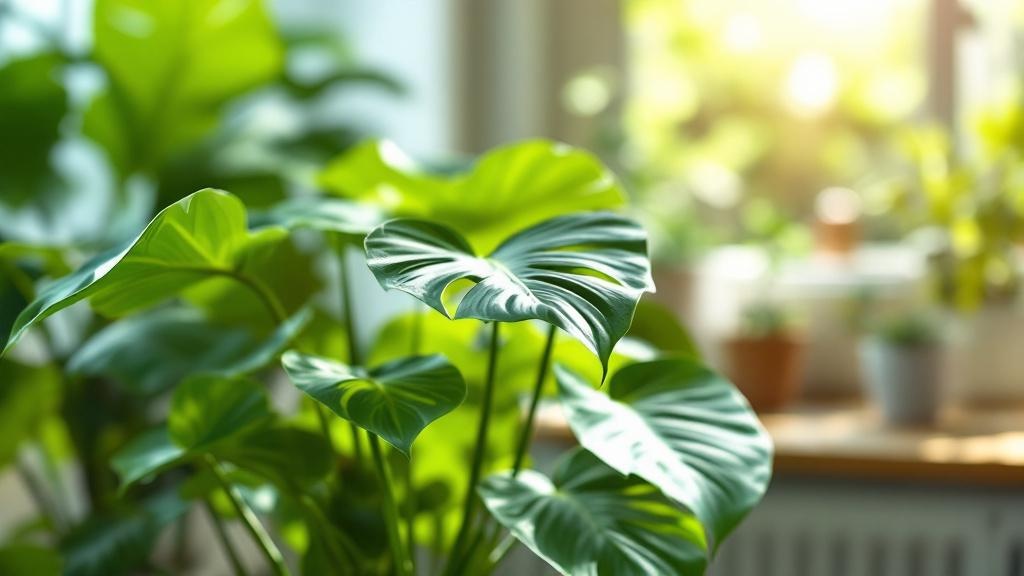
Strawberry Begonia captivates plant lovers with its distinctive silver-patterned leaves and adorable baby plantlets that dangle from thin red runners, much like a strawberry plant. Native to East Asia, this compact beauty thrives in the cooler indoor temperatures typical of Central European and Northern US homes, making it ideal for temperate climate gardeners. The most common question new owners ask is why their Strawberry Begonia's leaves are turning brown or crispy, usually caused by low humidity or excessive heat.
How to Water Your Strawberry Begonia Correctly
Water your Strawberry Begonia when the top 2-3 cm of soil feels dry, typically every 7-10 days in spring and summer. Reduce watering to every 14-18 days from November through February when growth slows. Always water at the base to avoid wetting the fuzzy leaves, which can lead to fungal issues. Ensure your pot has drainage holes as this plant resents sitting in soggy soil.
Finding the Perfect Light for Strawberry Begonia
Strawberry Begonia thrives in bright indirect light or partial shade, making north or east-facing windows ideal in temperate homes. Direct summer sun, especially the intense afternoon rays from June through August, will scorch the delicate leaves. In winter, when daylight hours are limited, you can move it closer to a window or even to a south-facing spot where the weaker sun won't cause damage.
Soil Mix and Repotting Schedule
Use a well-draining potting mix with added perlite or orchid bark to ensure good aeration. A slightly acidic to neutral pH of 5.5-6.5 works best. Repot every 2-3 years in early spring, around late March or April, moving up only one pot size. Strawberry Begonia actually performs better when slightly rootbound, so don't rush to repot.
Temperature and Humidity Requirements
This plant genuinely prefers cooler conditions between 10-18°C, tolerating temperatures down to 4°C for short periods. Avoid placing it near radiators or heating vents during winter, as warm, dry air causes leaf edge browning. Humidity of 50-60% is ideal; in centrally heated homes during winter, place the pot on a pebble tray with water or group it with other plants to raise local humidity.
Feeding Your Strawberry Begonia
Apply a balanced liquid fertilizer diluted to half strength every 3-4 weeks from April through September. Stop feeding entirely from October to March when the plant enters its rest period. Over-fertilizing causes salt buildup and leaf burn, so less is more with this modest feeder. If you notice white crust on the soil surface, flush the pot thoroughly with plain water.
Common Problems and How to Fix Them
Brown, crispy leaf edges typically indicate low humidity or exposure to hot, dry air from heating systems; increase humidity and move the plant to a cooler spot. Spider mites are the most common pest in temperate indoor conditions, especially in dry winter air; wipe leaves with a damp cloth weekly and treat infestations with insecticidal soap. Powdery mildew can appear in poorly ventilated spaces; improve air circulation and avoid overhead watering to prevent this fungal issue.
Frequently asked questions
How often should I water Strawberry Begonia?
Water your Strawberry Begonia every 7-10 days when the top layer of soil is dry. In winter, extend this to every 14-18 days as growth slows significantly. Always check the soil moisture rather than following a strict schedule, as indoor heating and humidity levels affect water needs.
Why are my Strawberry Begonia leaves turning brown?
Brown leaf edges are usually caused by low humidity or too much heat from nearby radiators. Move your plant away from heat sources and increase humidity using a pebble tray. If entire leaves are browning, check for root rot from overwatering.
Is Strawberry Begonia toxic to cats?
No, Strawberry Begonia is non-toxic and safe for cats and dogs. This makes it an excellent choice for pet-friendly households. However, it's still best to discourage pets from nibbling on any houseplant.
How do I propagate Strawberry Begonia?
Propagation is incredibly easy using the baby plantlets that grow on runners. Simply pin a plantlet onto moist soil in a small pot while still attached to the mother plant, and roots will form within 2-3 weeks. Once rooted, cut the runner to separate the new plant.
Does Strawberry Begonia flower indoors?
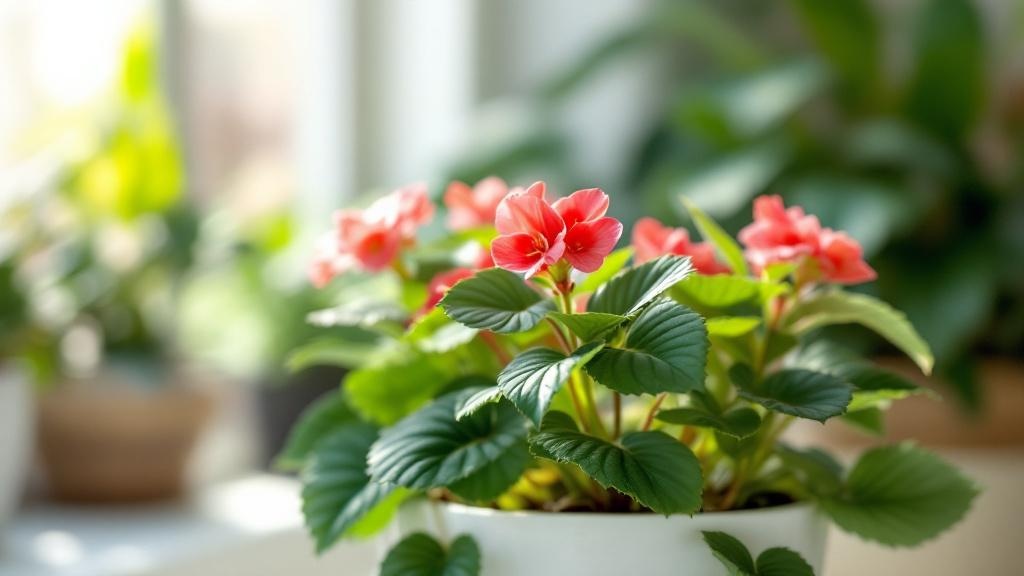
Yes, Strawberry Begonia produces delicate white or pink flower spikes in late spring to early summer, typically May through July. Indoor flowering requires bright light and cooler temperatures during winter. The airy flower stalks can reach 30-45 cm tall and add lovely vertical interest.