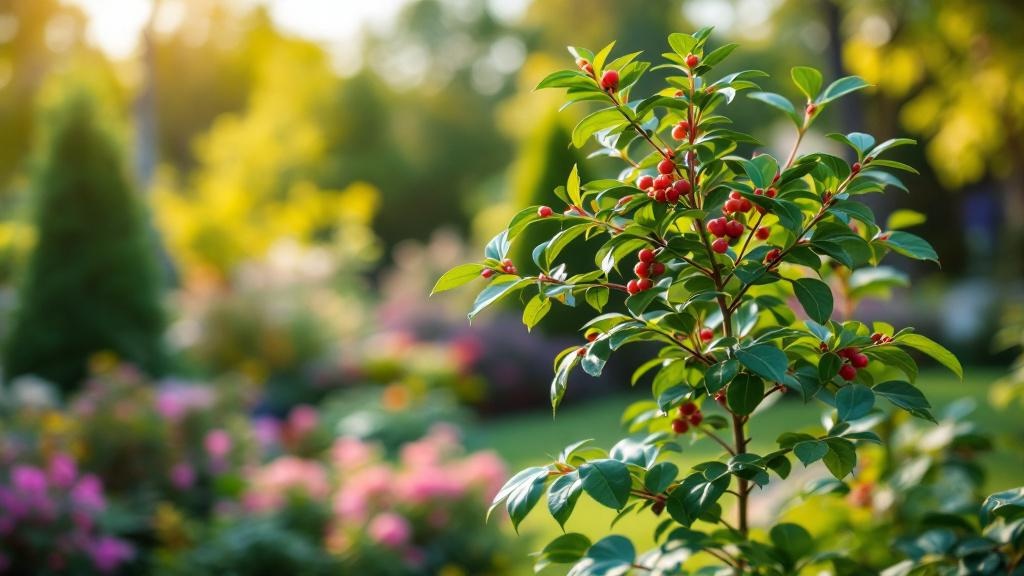
Magnolia
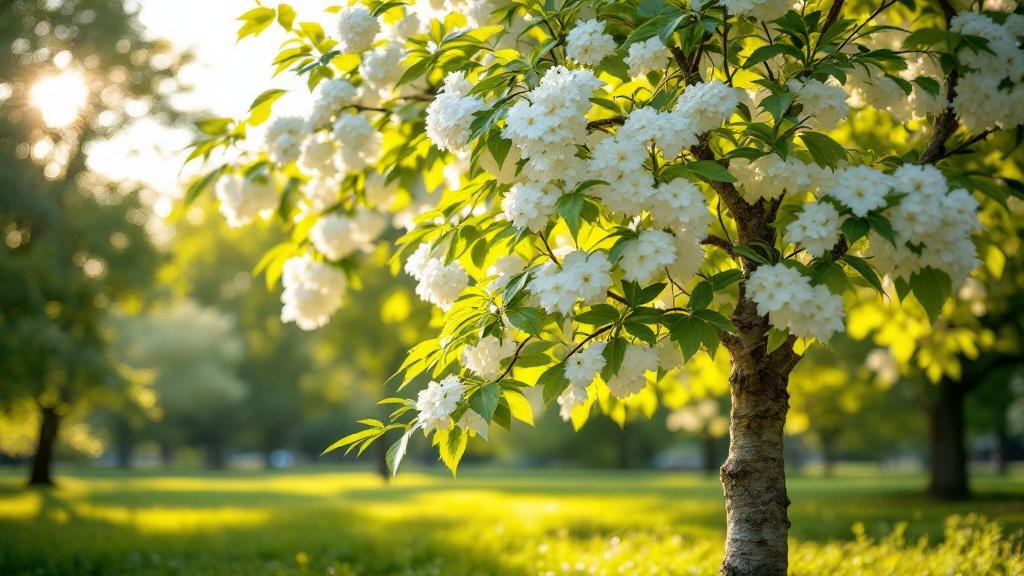
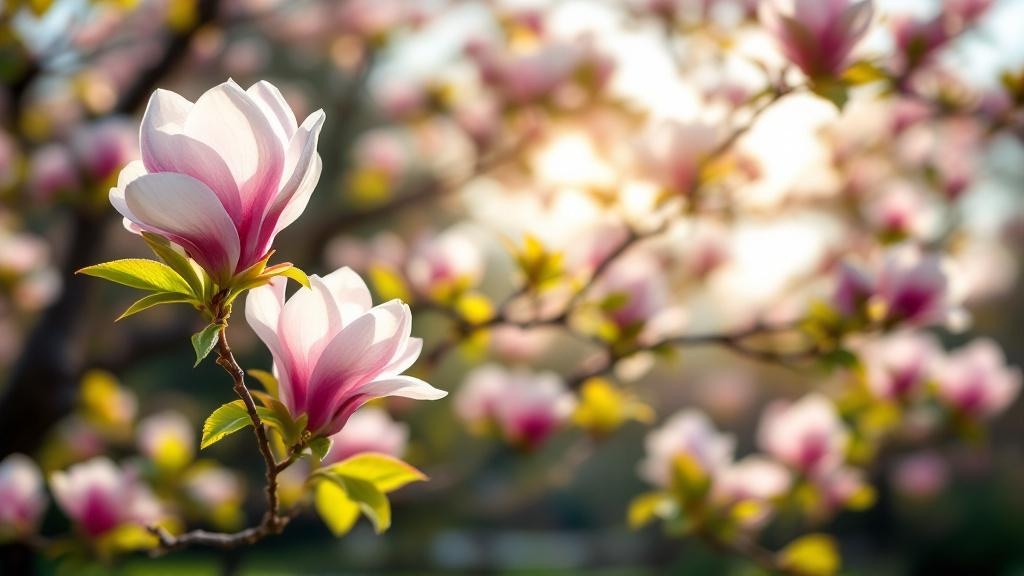
Magnolia trees are iconic springtime bloomers that transform gardens with their elegant flowers and glossy foliage. These deciduous or semi-evergreen specimens are particularly popular in temperate climates across Europe and North America. The most common question gardeners ask is how to encourage consistent flowering and prevent frost damage to emerging buds during unpredictable spring weather.
Watering Your Magnolia Tree
Young magnolias need consistent moisture during their first two growing seasons; water deeply every 7-10 days in dry spells. Once established, they are relatively drought-tolerant and require watering only during extended dry periods—typically every 2-3 weeks in temperate summers. In autumn and winter, reduce watering significantly as the tree enters dormancy. Always water at the base of the trunk and avoid wetting the canopy, which can encourage fungal issues in cool, humid springs.
Light Requirements for Magnolias
Magnolias perform best in full sun (6-8 hours daily), which promotes abundant flowering and strong branch structure. They will tolerate partial shade, especially afternoon shade in hotter regions, but flowering may be reduced. In temperate zones, morning sun combined with afternoon dappled shade can help protect delicate spring blossoms from late frosts and harsh afternoon heat. Avoid dense shade, which leads to poor flowering and weak growth.
Soil & Repotting Magnolias
Magnolias prefer well-draining, slightly acidic soil (pH 5.5-6.5) enriched with organic matter such as compost or leaf mold. They are sensitive to compacted soil and poor drainage, which cause root rot and decline. Plant in spring or autumn, ensuring the top of the root ball sits level with the soil surface. Container-grown magnolias rarely need repotting; when they do (every 3-4 years), move up only one pot size and use an ericaceous potting mix.
Temperature & Humidity Considerations
Magnolias are hardy to USDA zone 5 (down to -20°C) and thrive in temperate climates with cool to moderate winters. Late spring frosts are their biggest challenge in regions like Central Europe and the UK—buds swell early and are vulnerable to sudden cold snaps in March and April. Humidity of 40-50% is ideal; in very dry indoor conditions or heated homes in winter, mist the foliage occasionally. Avoid planting in frost pockets or areas exposed to harsh spring winds.
Feeding & Fertilizing Magnolias
Established magnolias require minimal feeding. Apply a balanced, slow-release fertilizer (such as a 10-10-10 formulation) in early spring as growth begins. Alternatively, mulch with 5-7 cm of well-rotted compost or leaf mold each autumn, which provides slow nutrient release and helps retain soil moisture. Avoid high-nitrogen fertilizers, which promote lush foliage at the expense of flowers. Overfertilizing can reduce bloom quality and increase susceptibility to pests.
Common Problems & Solutions
Scale insects and magnolia scale are the primary pests in temperate regions; treat with horticultural oil in late winter or early spring before growth starts. Powdery mildew can appear on young foliage in cool, humid springs—improve air circulation, avoid wetting foliage, and apply sulfur dust if needed. Bud drop or failure to flower is often caused by late frosts, excessive shade, or poor drainage; ensure the tree receives full sun and well-draining soil, and choose frost-tolerant cultivars such as 'Leonard Messel' or 'Susan' for frost-prone areas.
Frequently asked questions
How often should I water a magnolia tree?
Young magnolias need weekly watering during dry spells for their first two years; established trees are drought-tolerant and need water only during prolonged dry periods, typically every 2-3 weeks in summer. Always water deeply at the base and reduce watering in autumn and winter.
Why is my magnolia tree not flowering?
Magnolias fail to flower due to insufficient light (ensure 6-8 hours of direct sun), late spring frosts that damage early buds, or poor soil drainage. Overfertilizing with high-nitrogen fertilizers can also suppress flowering; switch to balanced or low-nitrogen feed instead.
When do magnolia trees bloom in temperate zones?
Most magnolias in temperate climates (USDA zones 5-8) bloom in early to mid-spring, from March to May, depending on the cultivar and local weather. Star magnolias and early cultivars such as 'Leonard Messel' flower in March, while later hybrids bloom in April or May; late frosts can damage these delicate flowers.
Is magnolia toxic to cats or dogs?
No, magnolia trees and flowers are non-toxic to cats, dogs, and other pets. However, keep pets away from the bark and roots if they are freshly exposed or treated with pesticides, as ingestion may cause mild digestive upset.
How do I prune a magnolia tree?
Prune magnolias lightly immediately after flowering (May to June) to maintain shape; remove only dead, diseased, or crossing branches. Avoid heavy pruning, which can damage the tree and reduce next year's blooms. Never prune in late summer or autumn, as this stimulates new growth vulnerable to frost.