Japanese Loquat
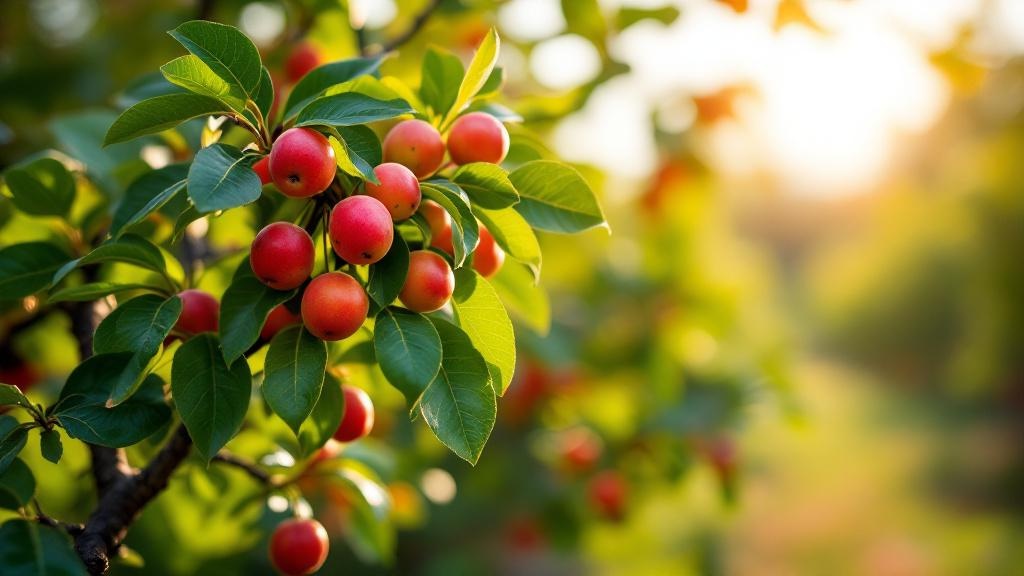
Japanese Loquat brings a touch of the subtropics to temperate gardens with its large, leathery leaves and surprisingly sweet fruit. The most common question gardeners ask is whether loquat can survive cold winters — and the answer is yes, with protection. This versatile tree flowers in late autumn when little else blooms, attracting late-season pollinators, and produces clusters of golden fruit by late May or June. Understanding its unique reversed growing cycle is key to success in USDA zones 5-8.
Watering Your Japanese Loquat Tree
Water deeply once weekly during the growing season from April through October, allowing the top 5 cm of soil to dry between waterings. Reduce to every 2-3 weeks in winter when growth slows. Container-grown loquats need more frequent watering, especially during hot July and August days. Avoid waterlogging, which causes root rot in heavy clay soils common across Central Europe.
Light Requirements for Healthy Growth
Japanese Loquat performs best in full sun, receiving at least 6 hours of direct light daily. In northern areas of zones 5-6, a south-facing wall provides ideal conditions with reflected warmth. The tree tolerates partial shade but produces less fruit and may become leggy. Morning sun with afternoon shade works well in regions with intense summer heat.
Soil and Repotting Guidelines
Plant in well-draining, slightly acidic to neutral soil with a pH of 6.0-7.5. Amend heavy clay soils with coarse sand and compost before planting. For container cultivation, use a large pot of at least 50 litres and repot every 2-3 years in early April before new growth begins. Add a 7 cm layer of bark mulch around the base to retain moisture and regulate soil temperature.
Temperature and Humidity Needs
Mature loquat trees tolerate temperatures down to minus 10C, though flowers and developing fruit are damaged below minus 3C. In zones 5-7, plant against a sheltered south-facing wall and wrap with horticultural fleece from November through March. The tree appreciates moderate humidity and benefits from occasional misting during dry indoor winters if container-grown. Move potted specimens to an unheated greenhouse or cool conservatory when night temperatures drop below freezing in late October.
Fertilizing for Fruit Production
Apply a balanced slow-release fertilizer in early April as new growth emerges, and again in late June. Use a formula with slightly higher potassium content to encourage flowering and fruiting. Avoid high-nitrogen feeds after August, as this promotes soft growth vulnerable to winter damage. Supplement with a liquid seaweed feed monthly during the growing season to boost overall plant health.
Common Problems and Solutions
Scale insects are the most frequent pest, appearing as brown bumps on stems and leaf undersides — treat with horticultural oil spray in early spring before new growth. Fire blight can affect loquats in wet springs, causing blackened shoots; prune affected branches 30 cm below damage and disinfect tools between cuts. Leaf spot fungus appears during humid summers as brown patches; improve air circulation and avoid overhead watering to prevent spread.
Frequently asked questions
How often should I water a Japanese Loquat tree?
Water your loquat deeply once per week during the growing season from April to October. Allow the top 5 cm of soil to dry between waterings to prevent root rot. Reduce watering to every 2-3 weeks during winter dormancy.
Can Japanese Loquat survive winter in cold climates?
Yes, mature Japanese Loquat trees survive temperatures down to minus 10C with proper protection. Wrap the trunk and lower branches with horticultural fleece from November through March in zones 5-7. The main risk is flower and fruit damage from late frosts rather than tree death.
When does Japanese Loquat produce fruit?
Japanese Loquat fruits ripen in late May through June in temperate climates. The tree flowers unusually in late autumn, from October to December, requiring mild winter conditions for fruit to develop. In colder zones, fruit production is less reliable without winter protection for the blooms.
Why are my loquat tree leaves turning yellow?
Yellow loquat leaves typically indicate overwatering or poor drainage causing root stress. Check that soil drains freely and reduce watering frequency, especially in winter. Nutrient deficiency, particularly iron chlorosis in alkaline soils, can also cause yellowing between leaf veins.
Is Japanese Loquat toxic to cats and dogs?
No, Japanese Loquat fruit and leaves are not toxic to cats or dogs. The seeds contain small amounts of cyanogenic compounds like many fruit trees, so prevent pets from chewing seeds. The ripe fruit flesh is completely safe and even nutritious for pets in small amounts.