Papaya
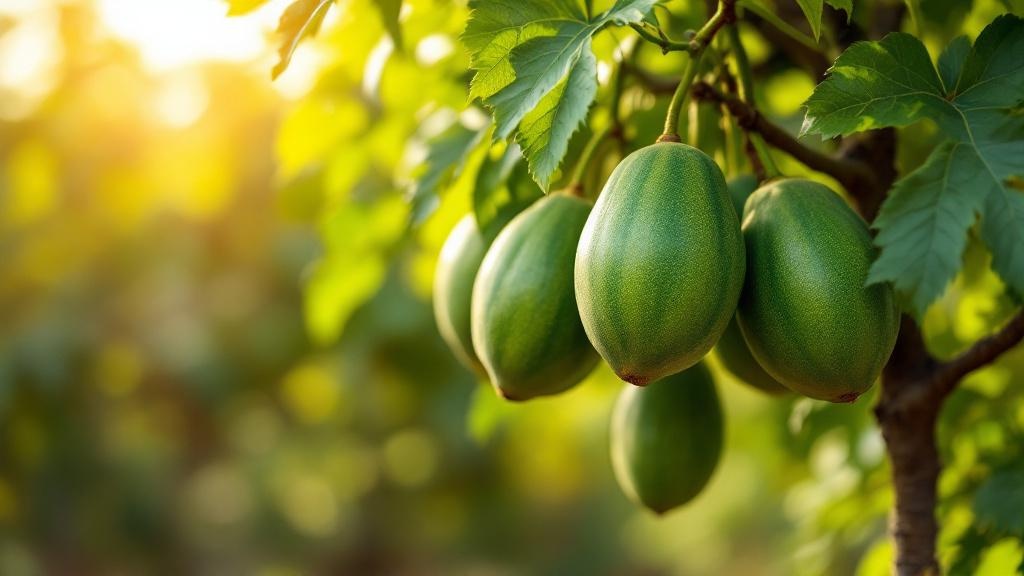
Growing a papaya tree in a temperate climate is an ambitious but rewarding challenge. Most gardeners searching for papaya care want to know one thing: can I actually get fruit in zones 5-8? The answer is yes, but only if you treat this tropical native as a container plant and provide winter protection. Papayas grow surprisingly fast and can produce sweet, vitamin-rich fruit even in northern regions when given enough warmth and light.
Watering Your Papaya Tree Correctly
Water papaya trees deeply every 5-7 days during the active growing season from May through September, allowing the top 3-5cm of soil to dry between waterings. Reduce to every 10-14 days in winter when growth slows. Papayas hate wet feet — root rot from overwatering kills more indoor papayas than any other cause. Use room-temperature water and ensure your container drains completely.
Light Requirements for Healthy Growth
Papaya trees demand full sun — at minimum 6 hours of direct sunlight daily, ideally 8-10 hours. In temperate zones, place your tree outdoors in the sunniest spot from late May through September. During winter months, a south-facing window plus supplemental grow lights running 12-14 hours daily prevents leggy, weak growth.
Soil and Repotting Your Papaya
Use a rich, well-draining potting mix with added perlite and compost, aiming for a slightly acidic pH of 6.0-6.5. Papayas grow rapidly and need repotting into progressively larger containers each spring until reaching a 60-100 litre final pot. Ensure containers have multiple drainage holes — papayas cannot tolerate waterlogged roots.
Temperature and Humidity Needs
Papayas thrive between 21-30°C and suffer below 12°C — frost is instantly fatal. Move container trees indoors by mid-September before night temperatures drop below 10°C. Maintain indoor humidity around 50-60% using a humidifier or pebble tray. Avoid placing near radiators or cold drafts during winter.
Fertilizing for Fruit Production
Feed papayas every 2-3 weeks from April through September with a balanced fertilizer, switching to a high-potassium feed when flowers appear. Reduce to monthly feeding in winter. Papayas are heavy feeders that quickly deplete soil nutrients — yellowing older leaves often signal nitrogen deficiency. Add a layer of compost each spring when repotting.
Common Problems with Papaya Trees
Spider mites attack indoor papayas during dry winter months — mist leaves regularly and treat infestations with insecticidal soap. Powdery mildew appears in humid, poorly ventilated conditions, showing as white patches on leaves; improve air circulation and remove affected foliage. Root rot from overwatering causes wilting despite wet soil — prevention through proper drainage is essential since recovery is rare.
Frequently asked questions
Can I grow papaya fruit in the UK or Northern Europe?
Yes, you can grow fruiting papaya in temperate climates if you keep it in a container and provide winter protection indoors. The tree needs consistent warmth above 18°C and supplemental lighting from October through March. Dwarf varieties like 'TR Hovey' or 'Tainung' are best suited for container growing and can fruit within 18 months.
Why are my papaya leaves turning yellow?
Yellow papaya leaves typically indicate overwatering, nutrient deficiency, or cold stress. Check that soil drains freely and reduce watering if the root zone feels soggy. During the growing season, increase feeding frequency and ensure temperatures stay above 15°C consistently.
How often should I water a papaya tree indoors?
Water indoor papaya trees every 5-7 days during spring and summer, reducing to every 10-14 days in winter. Let the top few centimetres of soil dry between waterings, but never let the root ball dry out completely. Consistent moisture without waterlogging produces the healthiest growth.
When will my papaya tree produce fruit?
Papaya trees grown from seed can flower and fruit within 9-18 months under optimal conditions. Flowering typically begins when the trunk reaches 1-1.5 metres tall. For fruit set, you need either a hermaphrodite plant or both male and female trees — buying seedlings of known sex improves your chances.
Is papaya toxic to cats and dogs?
Yes, papaya plants are mildly toxic to pets. The leaves, stems, and unripe fruit contain latex and papain enzymes that cause drooling, vomiting, and digestive upset if ingested. Ripe fruit flesh in small amounts is generally safe, but keep pets away from the plant itself.