Lydian Broom
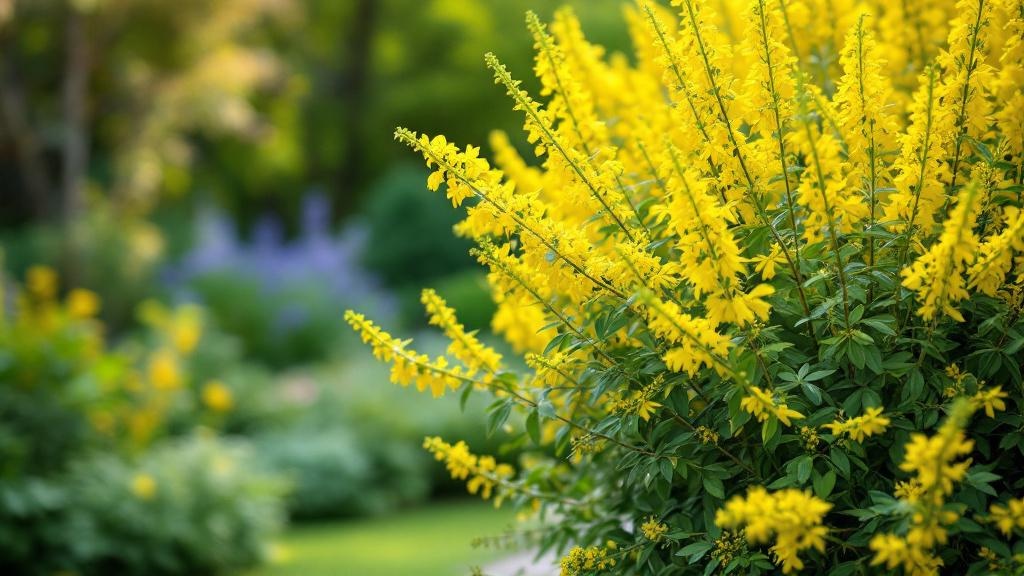
Lydian Broom is a showstopper in late May and June when its arching branches become smothered in golden-yellow pea-like flowers. Native to the Balkans, this tough little shrub thrives in poor, dry soils where other plants struggle. The most common question gardeners ask is whether Lydian Broom can survive cold winters — and the good news is that it handles temperatures down to minus 20 degrees Celsius when planted in well-drained soil. Its compact size and drought tolerance make it ideal for low-maintenance gardens.
Watering Your Lydian Broom
Water newly planted Lydian Broom weekly during the first growing season to establish roots. Once established, this shrub is remarkably drought-tolerant and rarely needs supplemental watering except during extended dry spells lasting more than 3 weeks. Overwatering is the most common killer — never let roots sit in waterlogged soil. In typical temperate summers, rainfall alone is usually sufficient for mature plants.
Light Requirements for Genista lydia
Lydian Broom demands full sun to flower abundantly — aim for at least 6 hours of direct sunlight daily. In partial shade, plants become leggy with sparse blooms. South-facing slopes, rock gardens, and sunny borders are ideal locations. The silvery-green foliage handles intense summer sun without scorching.
Soil and Repotting Needs
Plant Lydian Broom in poor, sandy or gravelly soil with excellent drainage. Rich, fertile soils actually reduce flowering and can cause root rot. If your garden has heavy clay, amend generously with grit or plant on a raised mound. This shrub resents transplanting due to its deep taproot, so choose its permanent location carefully. Spring planting (late March to April) gives the best establishment results.
Temperature and Humidity Tolerance
Lydian Broom is fully hardy in USDA zones 5 through 8, tolerating winter lows to minus 20 degrees Celsius. The key to winter survival is sharp drainage — cold wet soil kills faster than frost. No winter protection is needed in most temperate gardens. This Mediterranean-origin shrub prefers low to moderate humidity and struggles in constantly damp, humid conditions.
Fertilizing Lydian Broom
Skip the fertilizer for this shrub. Like other legumes, Lydian Broom fixes nitrogen from the air through root nodules, making it self-sufficient in poor soils. Feeding encourages weak, floppy growth at the expense of flowers. If growth seems stunted, a light application of potassium-rich fertilizer in early April can boost flowering without promoting excessive foliage.
Common Problems and Solutions
Root rot from poor drainage is the primary killer — ensure soil never stays waterlogged, especially in winter. Spider mites occasionally attack during hot, dry summers in July and August; spray with water or use insecticidal soap if populations build. Broom gall mites can cause distorted shoot tips; prune out affected growth promptly and destroy it. Aphids may cluster on new growth in late spring but rarely cause serious damage.
Frequently asked questions
How often should I water Lydian Broom?
Water established Lydian Broom only during prolonged drought lasting 3 or more weeks. This shrub is highly drought-tolerant once its deep taproot develops, typically after the first full growing season. Overwatering causes far more problems than underwatering.
Why is my Lydian Broom not flowering?
Insufficient sunlight is the most common cause of poor flowering in Lydian Broom. The shrub needs at least 6 hours of direct sun daily to bloom well. Overly rich soil or excessive nitrogen fertilizer can also promote leafy growth at the expense of flowers.
When does Lydian Broom bloom?
Lydian Broom blooms from late May through June in temperate climates, producing masses of bright yellow flowers for 3 to 4 weeks. The exact timing depends on spring temperatures, with warmer years bringing earlier blooms. Flowers appear on the previous year's growth.
Is Lydian Broom toxic to cats and dogs?
Yes, Lydian Broom is toxic to cats and dogs. All parts of the plant contain cytisine alkaloids that can cause vomiting, diarrhea, and more serious symptoms if ingested in quantity. Plant it where pets cannot access it or choose a pet-safe alternative.
How do I prune Lydian Broom?
Prune Lydian Broom immediately after flowering finishes in late June or early July. Trim back flowered shoots by about one-third to maintain a compact shape and encourage next year's blooms. Avoid cutting into old wood, as brooms do not regenerate well from hard pruning.