Anthracnose
📖 Overview
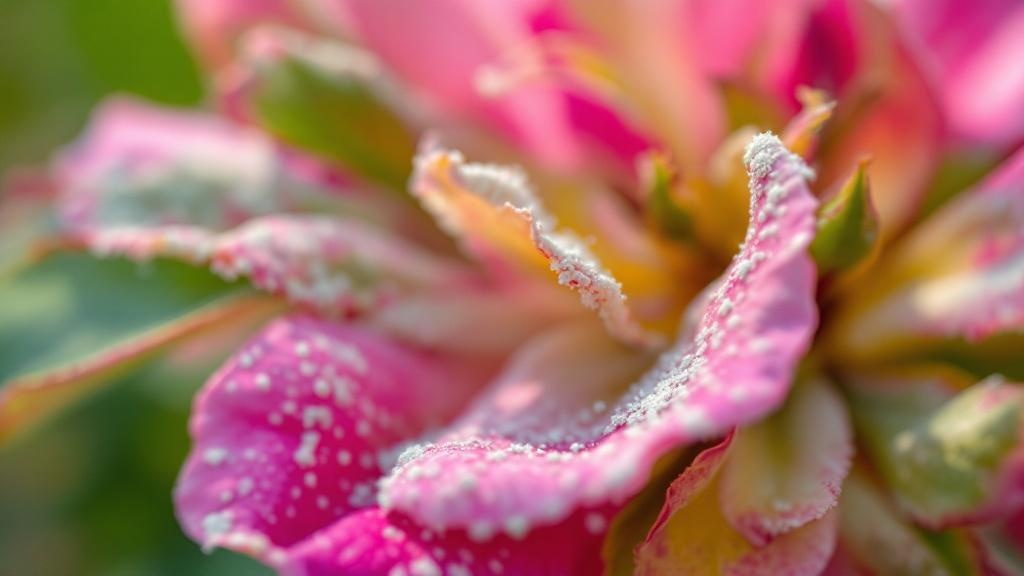
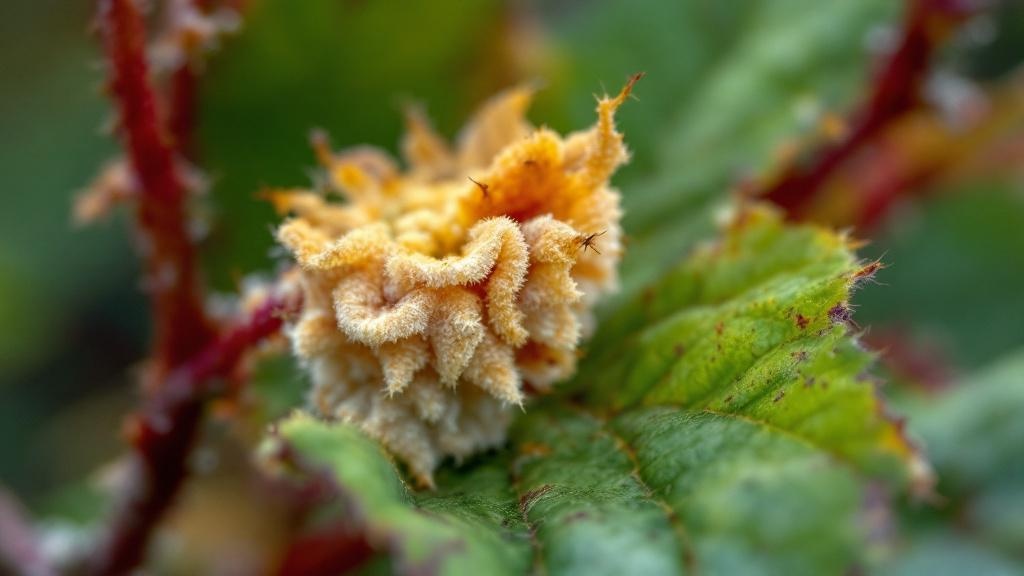
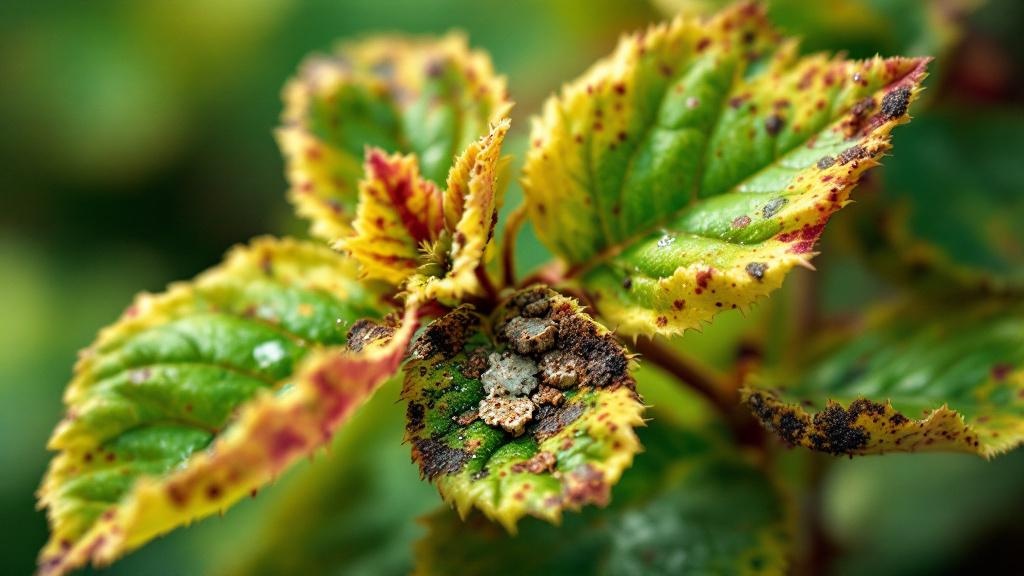
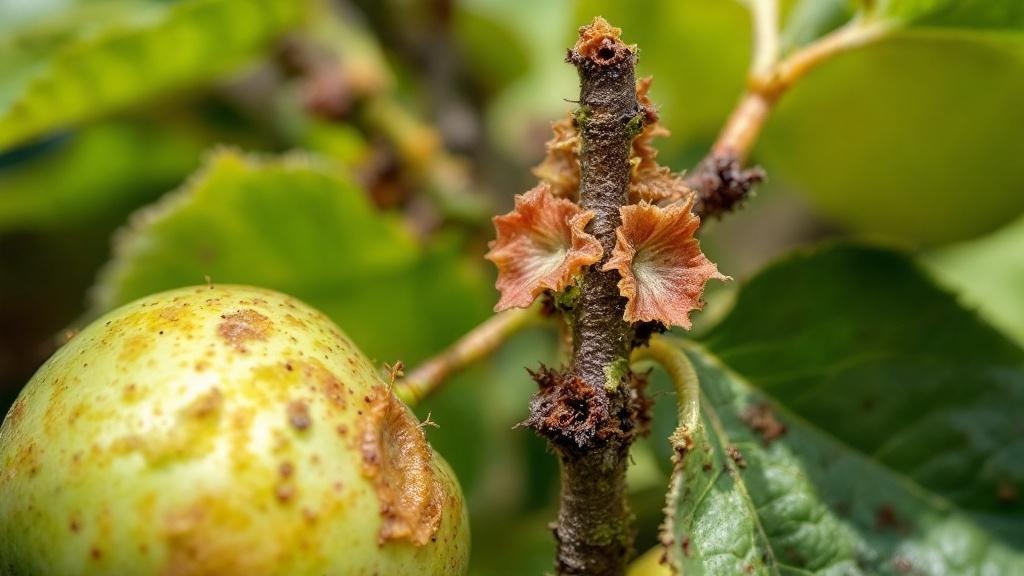
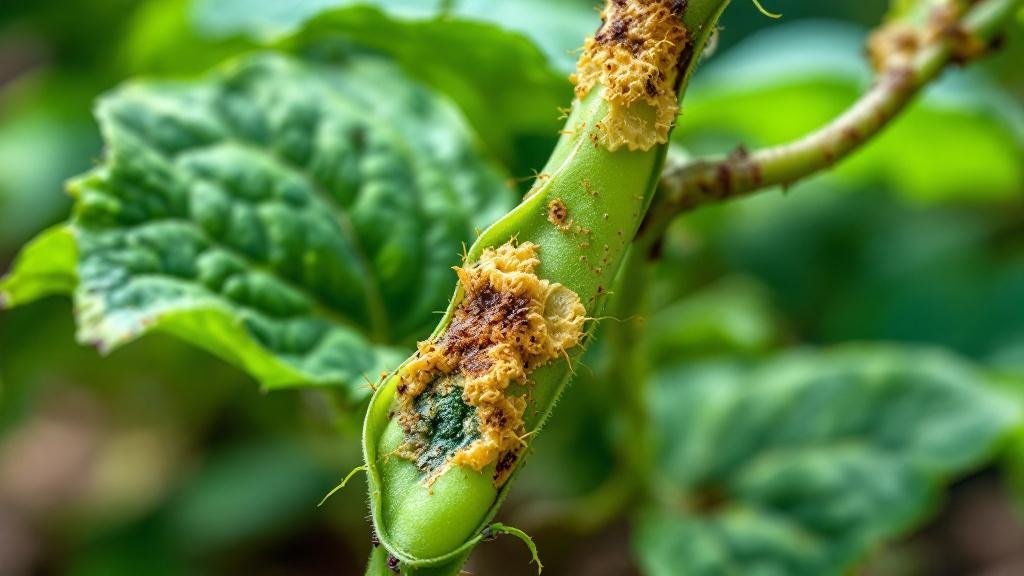
Anthracnose is a fungal disease that creates sunken, dark brown spots on leaves, stems, and fruit of your vegetables and berries. In wet conditions, you'll notice a distinctive pink or orange spore mass in the center of these lesions, and the tissue around each spot often turns yellow. This disease matters because it can devastate bean, cucumber, pepper, strawberry, and tomato crops in your garden, reducing both yield and quality of the harvest. The danger window in temperate climates runs from late spring through early autumn, peaking during June through August when warm, wet weather provides ideal conditions for the fungus to spread.
You'll first notice anthracnose on lower leaves or older foliage, where humidity tends to linger longest. Look closely at any circular, sunken spots—if they have that characteristic pinkish center when it rains or when you spray water, you've confirmed the diagnosis. The key difference from other leaf spots is that sunken appearance combined with the orange-pink spore mass; many gardeners mistake early anthracnose for simple leaf blight, but anthracnose spots are notably depressed into the leaf surface, almost like tiny craters.
The good news is that anthracnose responds well to early intervention and good garden hygiene. Since the fungus overwinters on plant debris and spreads via water splash, your best defense is preventing moisture on the foliage while removing infected material promptly. Copper-based fungicides are your first-choice organic tool, and resistant varieties exist for some crops, making prevention through variety selection a smart long-term strategy.
🔍 How to identify
A leveleken vagy a gyümölcsökön sötét-barna, BESÜLLYEDŐ, kerek foltok. A gyümölcsön a folt közepe rózsaszín-narancs spórák tömegével van fedve esős időben. A folt körüli levélrész elsárgul.
🌿 Common host plants
💊 Treatment
Rézkészítmények (rézhidroxid, bordói lé). Erősen fertőzött gyümölcsöt/levelet eltávolítani. NE öntözz lombozat-fölött (csak gyökértájékra).
Chlorotalonil, mancozeb, azoxistrobin (szakember). Otthonra nem ajánlott.
🛡️ Prevention
Bőséges levegőztetés. Csepegtető öntözés (nem felülről). Erősen fertőzött növényi maradványok megsemmisítése (NE komposztba). Vetésforgás 2-3 év.
Frequently asked questions
When is anthracnose most dangerous in the growing season?
Anthracnose spreads fastest during warm (20–28°C), wet periods—typically June through August in temperate regions. A single rainy spell or overhead watering can trigger an outbreak within 7–10 days if humidity stays high. Monitor closely during this window and switch immediately to drip irrigation if you spot early lesions.
Can I save a plant already infected with anthracnose, or do I need to destroy it?
Mild to moderate infections can be arrested by removing all infected leaves and fruit, then treating with copper fungicide every 7–10 days during wet weather. Once more than 40% of the plant is affected or fruit is heavily spotted, removing and destroying the plant is safer to prevent spore release. Early detection makes all the difference.
What's the safest organic control for a garden where children or pets play?
Copper hydroxide or Bordeaux mixture are low-toxicity organic options suitable for family gardens when used as directed. Remove infected leaves by hand first, apply copper on a calm, dry evening, and keep pets away until the spray dries. Combine this with strict overhead-watering avoidance and improved air circulation for best results.
Does anthracnose fungus live in soil or overwinter on fallen leaves?
The fungus primarily survives on infected plant debris—leaves, stems, and fruit—rather than in soil itself. Never compost diseased material; burn it or seal it in a bag for disposal. Clean up dropped leaves and fruit immediately, and practice 2–3 year crop rotation to let spores in the area die off.
Is fruit or harvested produce from a mildly infected plant still safe to eat?
Fruit with surface anthracnose spots is safe to eat if you cut away the lesioned area, but the affected fruit is cosmetically poor and deteriorates faster in storage. For significant infection, discard the fruit to prevent spore spread and reduce fungal load in your garden. When in doubt, remove it to prevent the disease from establishing a foothold for next season.
Not sure what's wrong? Take a photo!
Plantora's AI Plant Doctor identifies the issue from a single photo in seconds and gives you a tailored treatment guide.
Try AI diagnosis (free) →