Mexican Snowball
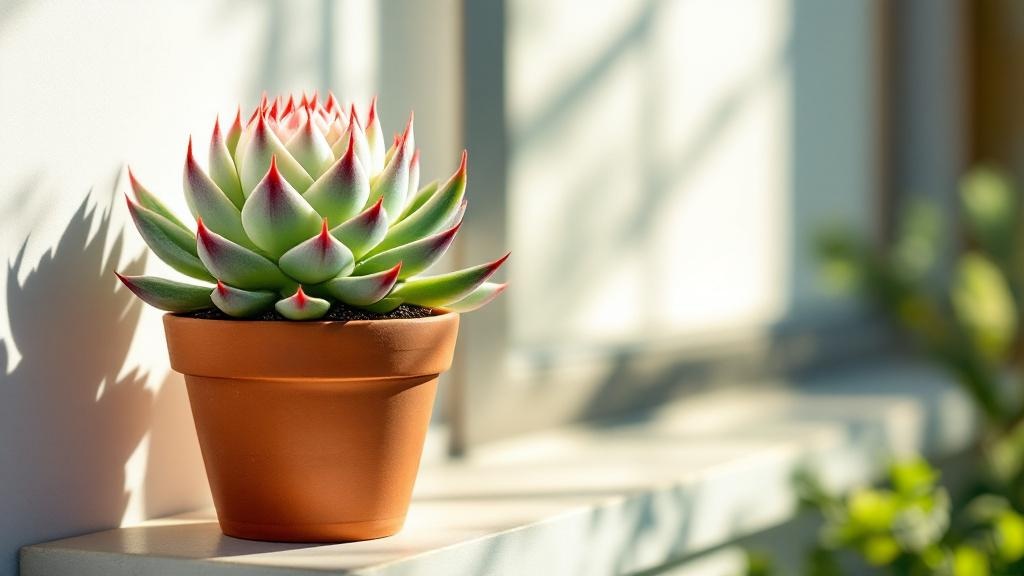
The Mexican Snowball is one of the most forgiving succulents for beginners, forming perfect powder-blue rosettes that brighten any sunny spot. Native to Mexican semi-deserts, it adapts remarkably well to indoor life in temperate regions. The most common question growers ask is how to prevent overwatering during winter when growth slows dramatically. Understanding its seasonal rhythm is the key to keeping this elegant succulent thriving for years.
Watering Your Mexican Snowball Correctly
Water thoroughly every 10-14 days from April through September, allowing the soil to dry completely between waterings. Reduce to once every 3-4 weeks from October through March when growth slows. Always empty saucers after 30 minutes to prevent root rot. The leaves will wrinkle slightly when the plant needs water, giving you a reliable visual cue.
Light Requirements for Healthy Rosettes
Place your Mexican Snowball in a south or west-facing window where it receives at least 4-6 hours of direct sunlight daily. Insufficient light causes etiolation, stretching the rosette upward and losing its compact form. In summer, you can move it outdoors to a sunny patio after the last frost in late May, but acclimate gradually over two weeks to prevent sunburn.
Soil and Repotting Essentials
Use a commercial cactus mix or create your own by combining standard potting soil with perlite and coarse sand in equal parts. Repot every 2-3 years in early April, choosing a terracotta pot only slightly larger than the rosette. Terracotta helps wick excess moisture away from roots. Remove any dead lower leaves during repotting to prevent fungal issues.
Temperature and Humidity Needs
Mexican Snowball thrives at typical room temperatures between 15-25°C during the growing season. It tolerates cooler conditions down to 10°C in winter, which can actually encourage spring blooming. Bring outdoor plants inside by mid-September before night temperatures drop below 7°C. Average household humidity is perfectly fine; avoid misting as wet leaves invite rot.
Fertilizing for Robust Growth
Feed once monthly from April through August with a balanced liquid fertilizer diluted to half strength, or use a specialized succulent fertilizer. Skip feeding entirely from September through March when the plant is semi-dormant. Over-fertilizing causes soft, leggy growth that is more susceptible to rot and pests.
Common Problems and Solutions
Overwatering is the primary killer, causing mushy translucent leaves and root rot; remove affected parts and let the plant dry out for a week before resuming careful watering. Watch for mealybugs hiding in leaf axils, appearing as white cottony clusters; treat with isopropyl alcohol on a cotton swab or neem oil spray. Brown, corky patches on lower leaves often indicate past overwatering damage or cold exposure but rarely harm the plant's overall health.
Frequently asked questions
How often should I water Mexican Snowball succulent?
Water every 10-14 days in summer and once monthly in winter, always letting soil dry completely between waterings. Stick your finger 2cm into the soil; if it feels dry, it is time to water. Overwatering is far more dangerous than underwatering for this drought-tolerant succulent.
Why are my Echeveria elegans leaves turning yellow?
Yellow leaves typically indicate overwatering or poor drainage causing root stress. Check that your pot has drainage holes and the soil dries within a week of watering. Remove yellow leaves at the base and reduce watering frequency immediately.
When does Mexican Snowball bloom?
Mexican Snowball produces pink-tipped flowers on arching stems from late winter through early spring, typically February to April. A cool winter rest period around 10-12°C encourages blooming. The lantern-shaped flowers attract attention but do not harm the mother rosette.
Is Mexican Snowball toxic to cats?
No, Mexican Snowball is non-toxic to cats, dogs, and humans according to the ASPCA. While ingestion may cause mild stomach upset due to the unfamiliar plant material, it poses no serious danger. It is one of the safest succulents for pet-friendly households.
How do I propagate Mexican Snowball from leaves?
Gently twist off a healthy lower leaf, let it callous for 2-3 days, then place it on dry cactus soil in bright indirect light. Mist lightly every few days once roots appear, typically within 3-4 weeks. Baby rosettes form at the leaf base and can be potted individually once they reach 2cm across.