Rust disease
📖 Overview
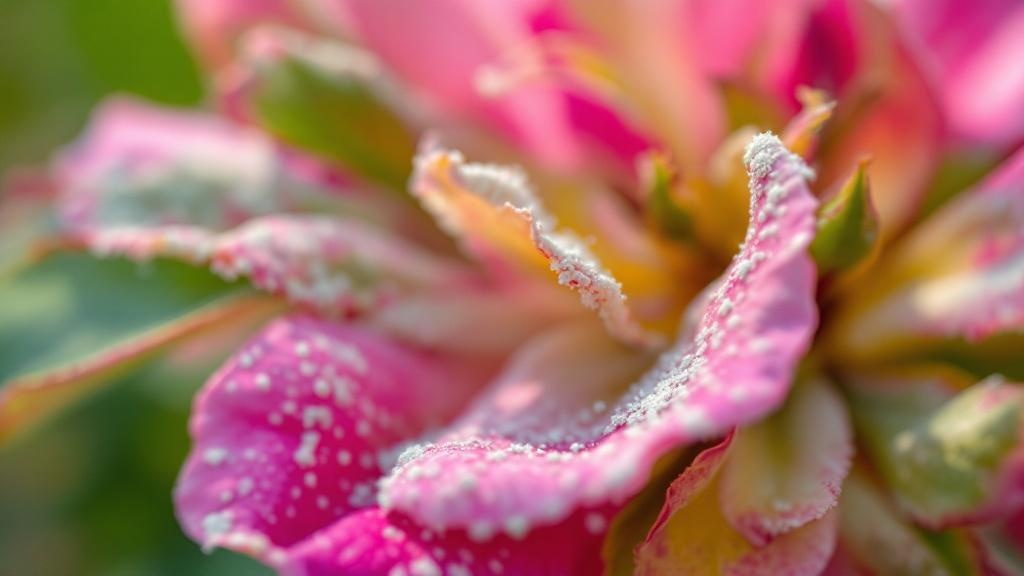
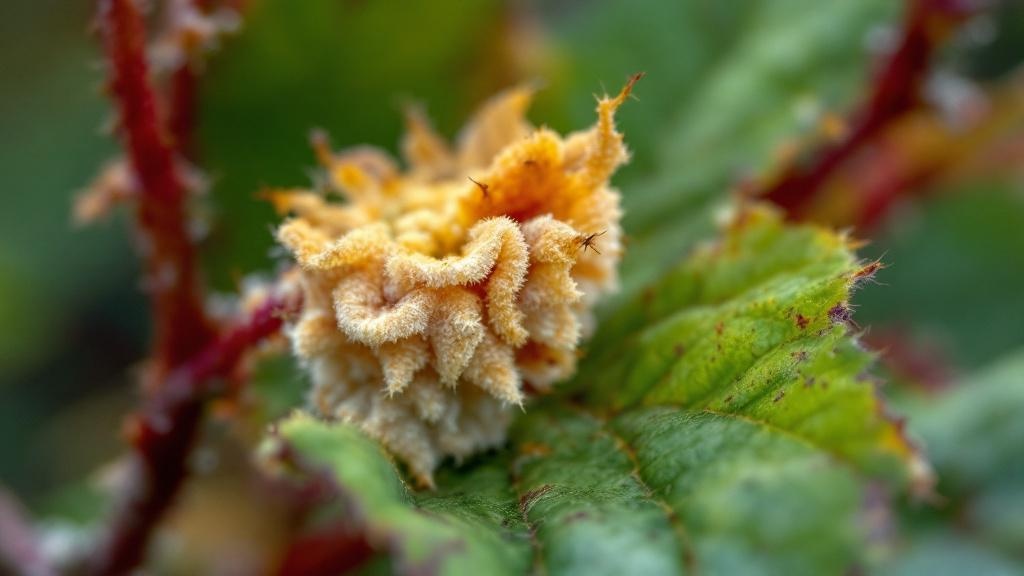
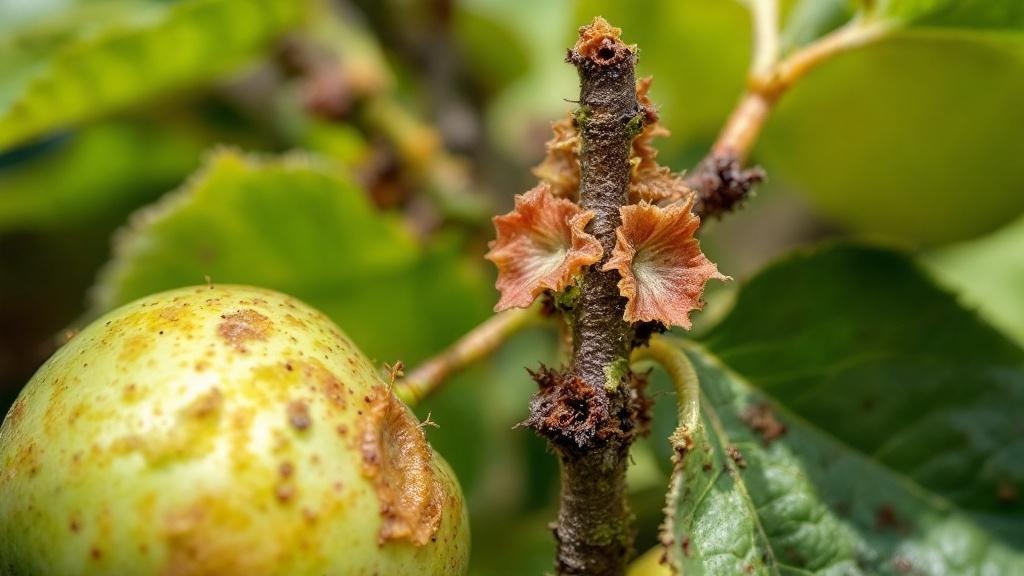
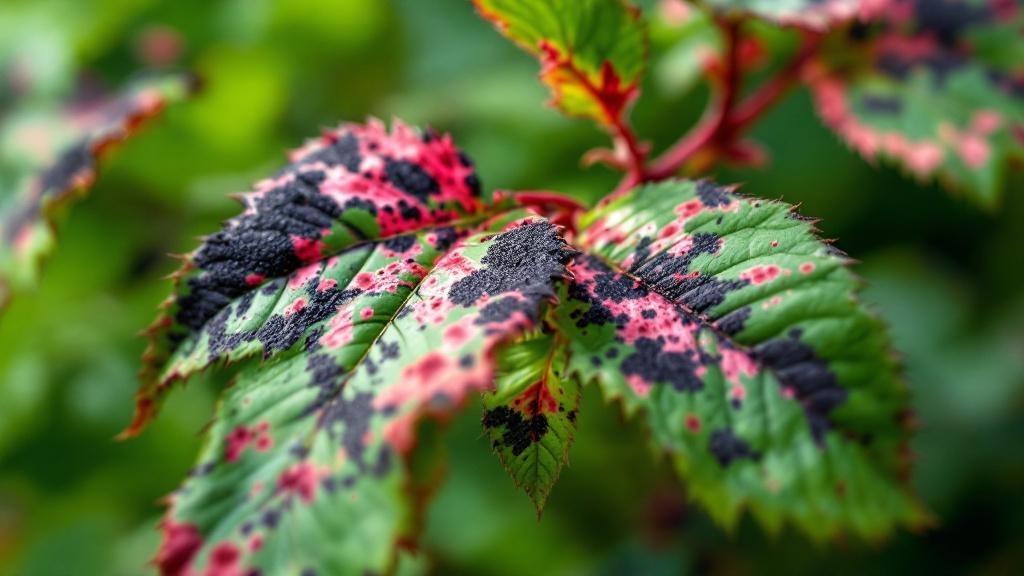
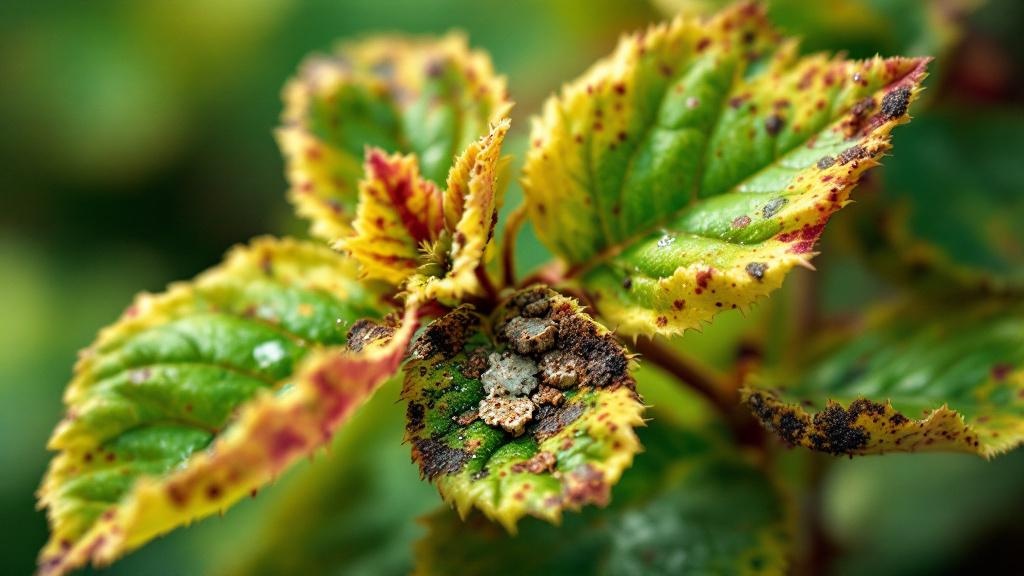
Rust is a fungal disease that creates distinctive rusty orange, reddish, or black pustules on the undersides of plant leaves, with yellowing on the upper surface. You'll notice a fine powder rubs off on your fingers when you touch affected areas—this is the spore mass the fungus uses to spread. It's a common problem in temperate gardens, particularly on roses, geraniums, mints, and ornamental plants during warm, humid weather. Rust matters because severe infections can weaken plants, reduce flowering or fruiting, and if left untreated, spread to other plants nearby. The disease typically becomes visible in mid-summer through early autumn (July to September in your region), when warm days combine with high humidity or overhead watering that leaves foliage wet overnight. The first sign is usually a slight yellowing on the upper leaf surface, which prompts you to check the underside for those telltale rusty pustules. This is how you confirm it's rust and not a simple nutritional deficiency or other leaf spot—the powder-like spores on the leaf undersides are the giveaway. Unlike powdery mildew, which creates a white coating on both leaf surfaces, rust is almost always on the undersides first and has that distinctive orange or rust color.
🔍 How to identify
Kicsi narancssárga, rozsdás, vagy fekete pusztulák a levél FONÁKÁN, később a színén sárgulás. Pormarkok ujjon ha hozzányúlsz.
🌿 Common host plants
💊 Treatment
Kén-alapú (Microthiol). Levél eltávolítás. Növelt foszfor-tápozás (immunerősítés).
Triadimenol, tebukonazol, miklobutanil.
🛡️ Prevention
Reggel öntözés, nem este. Levegőztetés. Rezisztens fajták. Áttelelő levél eltávolítása.
Frequently asked questions
When is rust most likely to appear in my garden?
Rust typically emerges in July and peaks through September, especially during warm, humid spells with temperatures between 15-25°C and moisture on leaves for extended periods. Risk rises sharply if you water in the evening or overhead—wet foliage overnight creates ideal conditions for spore germination.
Can I save a heavily infected plant or should I destroy it?
Most plants can be saved if caught early by removing affected leaves and improving air circulation; only destroy plants if rust covers more than 60-70% of foliage and the plant is already weak or old. For valuable roses or perennials, aggressive pruning combined with sulfur treatments every 7-10 days usually brings recovery within 3-4 weeks.
What's the safest organic treatment if I have children or pets in the garden?
Sulfur-based products like Microthiol are low-toxicity and effective; apply every 7-10 days starting at first signs, spray in cool morning hours, and keep pets away until dry. Combine this with removing infected leaves by hand and watering at soil level only in early morning to reduce humidity.
Does rust survive winter in my garden and spread to spring plants?
Yes—rust overwinters on fallen leaves and sometimes on plant stems in mild winters; remove and destroy (do not compost) all infected leaf litter in autumn to break the cycle. In spring, check last year's problem plants carefully and remove any suspicious leaves before new growth begins.
Will rust spread to my other plants nearby?
Each rust species is usually host-specific, so mint rust won't jump to roses, but if you have multiple plants of the same species nearby, the spores spread easily on wind and water, especially between plants touching. Space plants wider apart, avoid overhead watering, and prune to open the canopy so air circulates freely between them.
Not sure what's wrong? Take a photo!
Plantora's AI Plant Doctor identifies the issue from a single photo in seconds and gives you a tailored treatment guide.
Try AI diagnosis (free) →