Chaste Tree
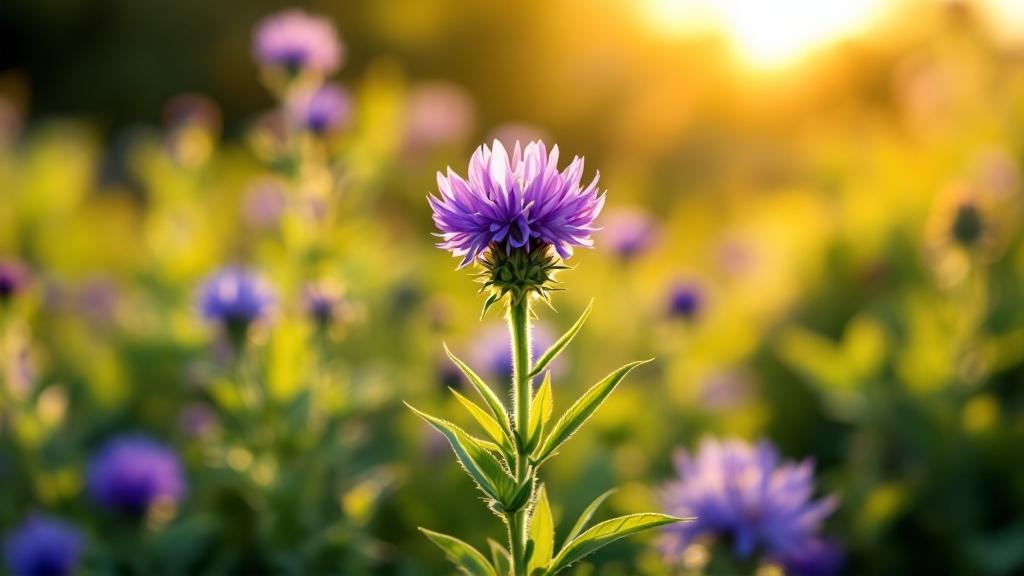
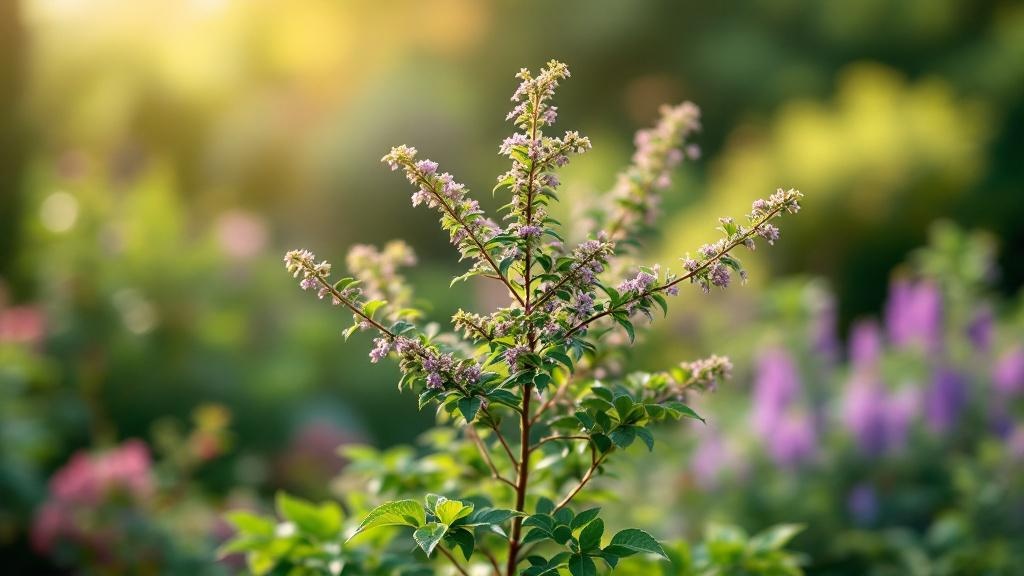
Chaste Tree brings a touch of the Mediterranean to temperate gardens with its aromatic foliage and striking violet flower spikes appearing from July through September. The most common question gardeners ask is whether this heat-loving shrub can survive cold winters in zones 5-8. The answer is yes, with proper siting and winter protection in colder areas. This adaptable shrub rewards patient gardeners with spectacular late-season color and a constant hum of bees and butterflies.
Watering Your Chaste Tree Through the Seasons
Water newly planted Chaste Trees deeply once per week during their first two growing seasons to establish strong roots. Once established, typically by the third year, Vitex is remarkably drought-tolerant and only needs supplemental water during prolonged dry spells exceeding 3 weeks. In temperate climates, natural rainfall usually suffices from October through April. Avoid overwatering, as soggy soil promotes root rot faster than drought damages this Mediterranean native.
Light Requirements for Maximum Blooms
Chaste Tree demands full sun to flower prolifically, requiring a minimum of 6 hours of direct sunlight daily. In partially shaded spots, expect leggy growth and sparse flowering. Position against a south or west-facing wall in cooler parts of zones 5-6 to maximize heat exposure and winter protection. The reflected warmth helps wood ripen before winter, improving cold hardiness and next year's bloom potential.
Soil and Repotting Needs
Plant Chaste Tree in well-drained soil; it tolerates poor, sandy, or chalky conditions but struggles in heavy clay that stays wet. Amend clay soils generously with horticultural grit and compost before planting. For container-grown specimens, use a mix of standard potting compost with 30% perlite or grit. Repot container plants every 2-3 years in early April, moving up one pot size until they reach their final container.
Temperature and Humidity Considerations
Chaste Tree is root-hardy to approximately -15°C (USDA zone 5) but may die back to ground level in harsh winters, resprouting in late spring. In zones 5-6, apply a 10-15cm layer of bark mulch around the base in November before hard frosts arrive. This shrub thrives in average humidity and actually performs poorly in humid, stagnant conditions which encourage fungal issues. Good air circulation is essential for plant health.
Fertilizing for Healthy Growth
Chaste Tree is not a heavy feeder and excessive nitrogen actually reduces flowering while promoting soft, frost-susceptible growth. Apply a single dose of balanced slow-release fertilizer (such as blood, fish, and bone meal) in mid-April as new growth emerges. Container plants benefit from a light monthly feed with half-strength liquid fertilizer from May through July only. Stop all feeding by August to allow wood to harden before winter.
Common Problems and Solutions
Leaf spot fungi may appear in wet summers, causing brown patches on foliage; improve air circulation by thinning crowded branches and avoid overhead watering. Spider mites occasionally attack during hot, dry spells in July and August, causing stippled, bronzed leaves; spray with a strong jet of water or apply insecticidal soap. Root rot from waterlogged soil is the most common killer; prevent it by ensuring excellent drainage and never mulching directly against the trunk.
Frequently asked questions
How often should I water a Chaste Tree?
Water established Chaste Trees only during droughts lasting more than 3 weeks. Young plants need weekly deep watering during their first two summers to develop strong root systems. Once established, this Mediterranean shrub is remarkably drought-tolerant and overwatering causes more problems than underwatering.
Why is my Chaste Tree not flowering?
Insufficient sunlight is the most common reason Chaste Trees fail to bloom. This shrub needs at least 6 hours of direct sun daily; even partial shade significantly reduces flowering. Other causes include over-fertilizing with nitrogen, pruning at the wrong time (flowers form on new growth), or the plant being too young, as seed-grown specimens may take 3-4 years to bloom.
When should I prune my Chaste Tree?
Prune Chaste Tree in late March or early April just as buds begin to swell. Cut back the previous year's growth hard, leaving just 2-3 buds per stem, since flowers appear on new season's wood. In zones 5-6 where winter dieback occurs naturally, simply remove dead wood in spring once you can identify live growth.
Is Chaste Tree toxic to cats and dogs?
Chaste Tree is not toxic to cats or dogs. The berries and foliage are considered safe, and the plant has no listing on veterinary poison databases. However, ingesting large quantities of any plant material may cause mild stomach upset in pets, so discourage excessive chewing as a general precaution.
Can Chaste Tree survive winter in cold climates?
Chaste Tree survives winters in zones 5-8 with proper care. In zones 5-6, the top growth often dies back but roots survive to -15°C, sending up vigorous new shoots in late May. Protect the root zone with 10-15cm of mulch applied in November, and site the plant against a warm south-facing wall for best results.