Crown of Thorns
Crown of Thorns (Euphorbia milii) is beloved for its cheerful, long-lasting blooms and forgiving nature, making it perfect for sunny windowsills. Originally from Madagascar, this thorny succulent thrives as a houseplant in temperate regions where outdoor growing is not an option. The most common question gardeners ask is how often to water it without causing root rot. Understanding its succulent nature is key to keeping this resilient bloomer happy for decades.
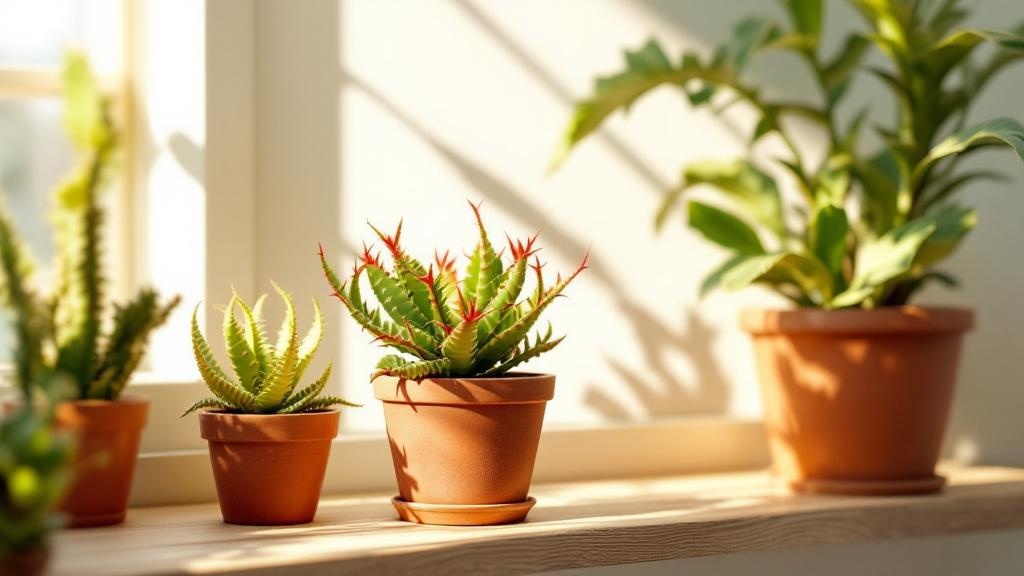
Watering Your Crown of Thorns Correctly
Allow the soil to dry out completely between waterings, typically every 10-14 days in spring and summer. In winter, reduce watering to every 3-4 weeks as the plant enters a semi-dormant state. Always water thoroughly until it drains from the bottom, then empty the saucer. Overwatering is the leading cause of death in Crown of Thorns, so when in doubt, wait another few days.
Light Requirements for Healthy Blooming
Crown of Thorns needs at least 4 hours of direct sunlight daily to bloom consistently. A south or west-facing windowsill is ideal in temperate homes. The plant tolerates lower light but will produce fewer flowers and may become leggy. During the short days of November through February, consider supplementing with a grow light to maintain blooming.
Soil and Repotting Guidelines
Use a fast-draining cactus or succulent mix, or create your own by mixing standard potting soil with 50% perlite or coarse sand. Repot every 2-3 years in spring, moving up just one pot size. Wear thick gloves when handling, as the thorns are sharp and the milky sap is irritating to skin. Terracotta pots are excellent choices as they wick away excess moisture.
Temperature and Humidity Needs
Keep your Crown of Thorns at normal room temperatures between 15-24°C year-round. Never let temperatures drop below 10°C, and keep the plant away from cold drafts near windows in winter. This succulent actually prefers the dry air found in heated homes during winter, so no misting or humidity trays are needed. Avoid placing it near radiators where temperature fluctuations are extreme.
Fertilizing for Maximum Blooms
Feed with a balanced liquid fertilizer diluted to half strength every 4-6 weeks from April through September. Stop fertilizing entirely from October through March when growth naturally slows. Over-fertilizing causes salt buildup and can damage roots, so less is more with this plant. A fertilizer formulated for cacti and succulents works perfectly.
Common Problems and Solutions
Root rot from overwatering is the most frequent issue, showing as yellowing lower leaves and mushy stems. Let the soil dry completely and reduce watering frequency if you notice these signs. Spider mites can appear in dry indoor conditions, especially during winter heating season. Wipe leaves with a damp cloth and treat with insecticidal soap if webbing appears. Mealybugs sometimes hide in leaf joints. Remove them with a cotton swab dipped in rubbing alcohol.
Frequently asked questions
How often should I water Crown of Thorns?
Water your Crown of Thorns every 10-14 days during the growing season, allowing soil to dry completely between waterings. In winter, reduce this to every 3-4 weeks. The succulent stems store water, making this plant very drought-tolerant.
Why are my Crown of Thorns leaves turning yellow?
Yellow leaves usually indicate overwatering or root rot. Check that soil is drying between waterings and ensure your pot has drainage holes. If the stem feels soft or mushy, root rot has set in and you should take healthy cuttings to propagate.
Is Crown of Thorns toxic to cats and dogs?
Yes, Crown of Thorns is toxic to cats and dogs. The milky white sap contains compounds that cause mouth irritation, drooling, vomiting, and diarrhea if ingested. Keep this plant out of reach of pets and small children.
When does Crown of Thorns bloom?
Crown of Thorns can bloom year-round when given enough light. Peak flowering typically occurs from late spring through autumn, but plants on sunny windowsills often produce flowers even in winter. Consistent bright light is the key to continuous blooms.
Why is my Crown of Thorns dropping leaves?
Sudden leaf drop is usually caused by cold drafts, temperature shock, or drastic changes in watering. This commonly happens in autumn when heating systems turn on or if the plant is near a frequently opened door. Move it to a stable, warm location away from drafts.