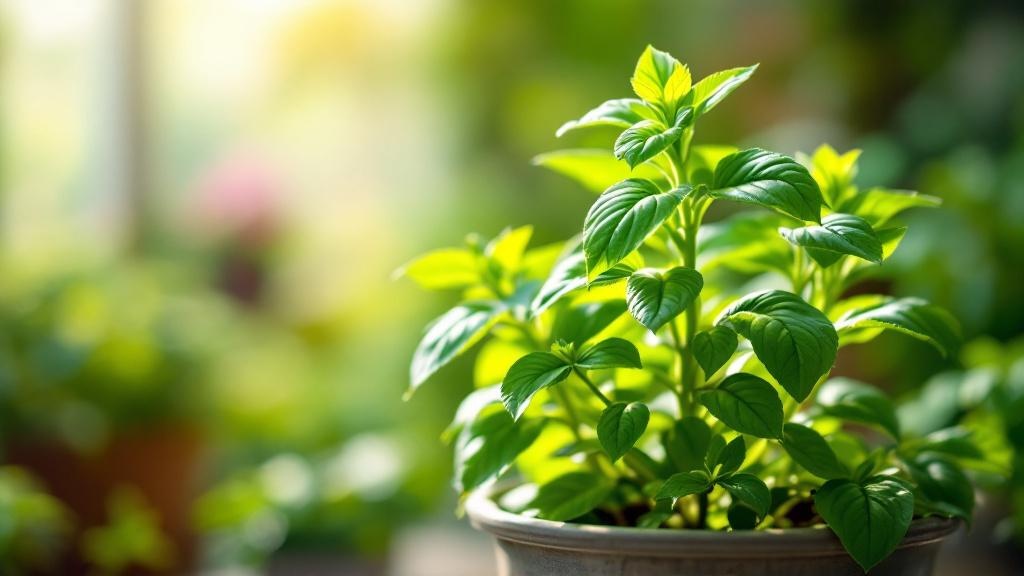
Spanish Broom
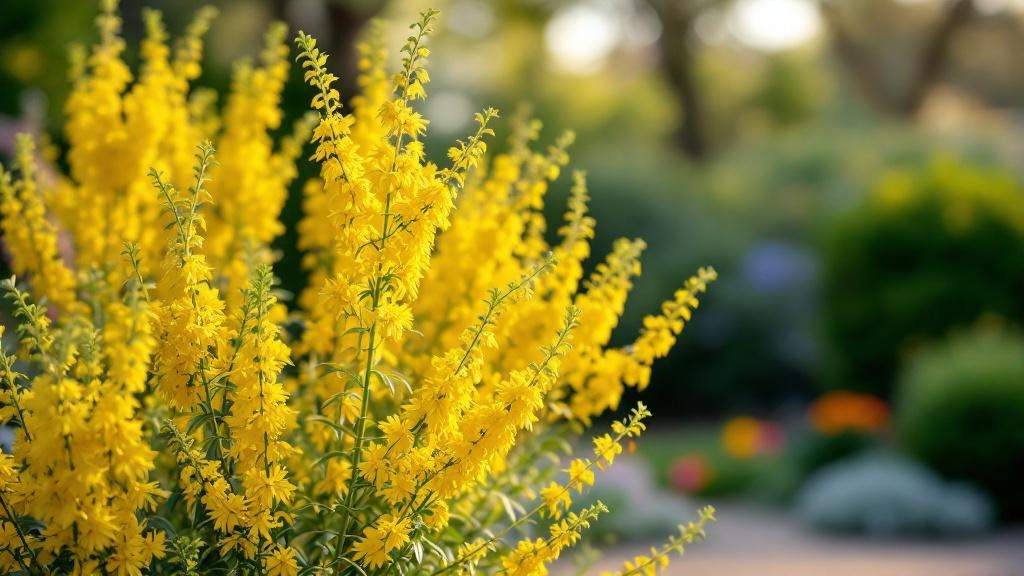
Spanish Broom brings a touch of Mediterranean sunshine to temperate gardens with its cascading golden blooms and intoxicating honey-like fragrance from May through July. The most common question gardeners ask is whether this heat-loving shrub can survive colder winters in zones 5-8. The good news: with proper placement and minimal winter protection, Spanish Broom rewards neglect with spectacular displays, making it perfect for dry borders, slopes, and coastal gardens where other shrubs struggle.
Watering Spanish Broom: Less Is More
Water newly planted Spanish Broom weekly during the first growing season to establish deep roots. Once established after the first year, this shrub rarely needs supplemental watering except during extreme drought lasting over 3-4 weeks. Overwatering is the fastest way to kill Spanish Broom, as it causes root rot in heavy or waterlogged soils. In temperate climates, natural rainfall is typically sufficient from October through April.
Light Requirements for Optimal Flowering
Spanish Broom demands full sun with at least 6 hours of direct sunlight daily to produce abundant flowers. In partial shade, the plant becomes leggy and produces fewer blooms. Plant against south or west-facing walls in cooler regions of zones 5-6 to maximize heat and light exposure. Avoid planting near larger trees or buildings that cast afternoon shadows.
Soil and Repotting Needs
Spanish Broom thrives in poor, sandy, or gravelly soil with excellent drainage and actually performs worse in rich, fertile conditions. A soil pH between 6.0 and 8.0 is ideal, making it perfect for chalky or limestone soils common in parts of the UK and Central Europe. When planting, dig in coarse sand or grit if your soil is heavy clay. Container-grown specimens need repotting every 2-3 years in spring using a gritty, low-nutrient mix.
Temperature and Humidity Tolerance
Spanish Broom is hardy to approximately -15°C (5°F), suitable for USDA zones 6-8 without protection and zone 5 with winter mulching around the base in late November. The shrub tolerates heat, wind, and coastal salt spray exceptionally well. High humidity combined with poor drainage causes fungal issues, so ensure good air circulation. In zone 5, consider planting against a sheltered wall and applying 10cm of bark mulch before the first hard frost.
Fertilizing Spanish Broom Correctly
Spanish Broom requires little to no fertilizer and actually flowers better in nutrient-poor conditions. Excess nitrogen promotes leafy growth at the expense of blooms. If growth seems weak in established plants, apply a light dressing of bone meal in early April. Avoid general-purpose fertilizers, compost enrichment, or manure, which can shorten the plant's lifespan and reduce flowering.
Common Problems and Solutions
Spider mites can attack during hot, dry summers in July and August, causing stippled, bronzed foliage; spray with horticultural soap or neem oil early in the infestation. Broom gall mites cause abnormal, cauliflower-like growths on stems; prune out affected branches to healthy wood and destroy the cuttings. Root rot from overwatering or heavy soil is the most common killer; ensure excellent drainage and let soil dry between waterings. Aphids may cluster on new growth in late spring but rarely cause serious damage.
Frequently asked questions
How often should I water Spanish Broom?
Water Spanish Broom sparingly, only during extended dry spells once established. New plantings need weekly watering during their first summer, but mature shrubs thrive on neglect and natural rainfall. Overwatering causes root rot and is more dangerous than underwatering.
Why are my Spanish Broom leaves turning yellow?
Yellow leaves typically indicate overwatering or poor drainage causing root stress. Check that soil drains freely and reduce watering frequency immediately. Yellow foliage in autumn is natural leaf drop before winter dormancy and not a cause for concern.
When does Spanish Broom bloom?
Spanish Broom blooms from late May through July in temperate climates, with peak flowering in June. Each golden yellow flower cluster releases a sweet, honey-like fragrance that attracts pollinators. Deadheading spent blooms can encourage a lighter second flush in August.
Is Spanish Broom toxic to cats and dogs?
Yes, Spanish Broom is toxic to cats and dogs. All parts of the plant contain cytisine alkaloids that can cause vomiting, diarrhea, and in severe cases, cardiac problems if ingested. Plant away from areas where pets frequently roam unsupervised.
How do I prune Spanish Broom?
Prune Spanish Broom lightly after flowering in late July or early August, cutting back flowered stems by one-third. Avoid cutting into old wood, as the plant regenerates poorly from bare branches. Annual light pruning keeps the shrub compact and prevents it from becoming leggy and top-heavy.