Oregon Grape
Oregon Grape brings year-round interest to temperate gardens with its glossy evergreen foliage that turns bronze-purple in winter. The most common question gardeners ask is whether this tough shrub can handle deep shade — and the answer is a resounding yes. Native to western North America, Mahonia aquifolium has naturalized beautifully across Central Europe and the UK, making it ideal for those difficult dry shade spots where little else thrives.
Watering Your Oregon Grape
Water newly planted Oregon Grape weekly during the first growing season to establish deep roots. Once established after 12 to 18 months, this shrub is remarkably drought-tolerant and typically needs supplemental water only during extended dry spells in July and August. In containers, check soil moisture weekly and water when the top 5cm feels dry. Avoid overwatering, as Mahonia dislikes waterlogged roots.
Light Requirements for Mahonia
Oregon Grape performs best in partial to full shade, making it perfect for north-facing walls and under tree canopies. While it tolerates morning sun, intense afternoon sun — especially in continental climates — can scorch the leaves and bleach the foliage. In the UK and northern Europe, dappled woodland light produces the healthiest growth. Plants in deeper shade may flower less prolifically but maintain excellent foliage.
Soil and Repotting Needs
Plant Oregon Grape in well-draining soil enriched with organic matter. It adapts to most soil types including clay, provided drainage is adequate. The ideal pH range is 5.5 to 7.0, though Mahonia tolerates slightly alkaline conditions. When planting in autumn or early spring, dig in garden compost or well-rotted bark. Container specimens benefit from repotting every 3 to 4 years using ericaceous or general-purpose compost mixed with perlite.
Temperature and Humidity Preferences
This exceptionally cold-hardy shrub withstands temperatures down to minus 25C without protection, making it reliable throughout USDA zones 5 to 8. Oregon Grape handles typical Central European winters, UK frosts, and northern US conditions with ease. It tolerates average humidity and does not require misting. In exposed sites, young plants benefit from a windbreak during their first winter to prevent leaf desiccation from cold drying winds.
Fertilizing Schedule
Oregon Grape has modest feeding requirements. Apply a balanced slow-release fertilizer or a layer of garden compost around the base in late March or early April as growth resumes. A second light feeding in June supports flowering and berry production. Avoid high-nitrogen fertilizers, which promote leggy growth at the expense of flowers. Established plants in good garden soil often thrive without supplemental feeding.
Common Problems and Solutions
Powdery mildew can affect Oregon Grape during humid summers, appearing as white patches on leaves — improve air circulation by thinning crowded branches in late winter and avoid overhead watering. Rust fungus shows as orange pustules on leaf undersides, common in wet springs across the UK and northern Europe — remove affected leaves and apply a fungicide if severe. Vine weevil larvae occasionally damage roots of container plants — check for C-shaped grubs when repotting and use biological nematode controls in September.
Frequently asked questions
How often should I water Oregon Grape?
Water established Oregon Grape only during prolonged dry periods in summer, roughly every 2 to 3 weeks if rainfall is absent. Young plants need weekly watering during their first year. This shrub is notably drought-tolerant once its root system matures.
Why are my Oregon Grape leaves turning yellow?
Yellow leaves typically indicate overwatering or poor drainage causing root stress. Check that soil is not staying constantly wet and improve drainage if needed. Nutrient deficiency in very poor soils can also cause yellowing — apply a balanced fertilizer in spring.
When does Oregon Grape bloom?
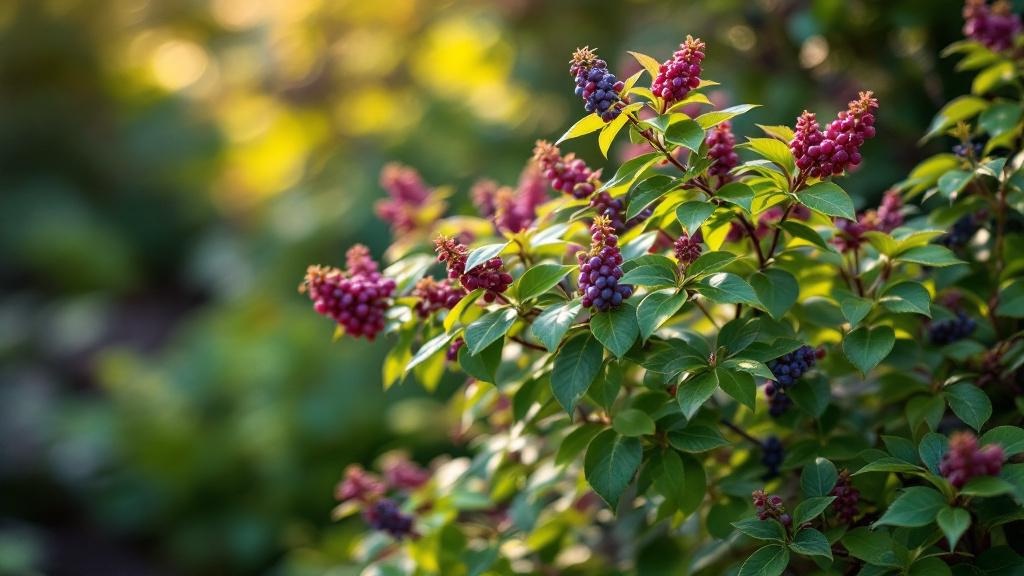
Oregon Grape blooms in late March through April in most temperate regions, producing clusters of fragrant yellow flowers. The flowers attract early pollinators and develop into blue-black berries by late summer. Mild winters may trigger earlier flowering.
Is Oregon Grape toxic to cats and dogs?
Oregon Grape is mildly toxic if pets consume large quantities of berries, potentially causing vomiting or diarrhea. The foliage is generally avoided due to its spiny texture. Most pets ignore this plant, but supervise curious animals around berry-laden branches in August and September.
Can Oregon Grape grow in full shade?
Yes, Oregon Grape thrives in full shade and is one of the best evergreen shrubs for dark corners. It naturally grows as forest understory in its native habitat. Expect slightly reduced flowering in very deep shade, but foliage remains attractive year-round.