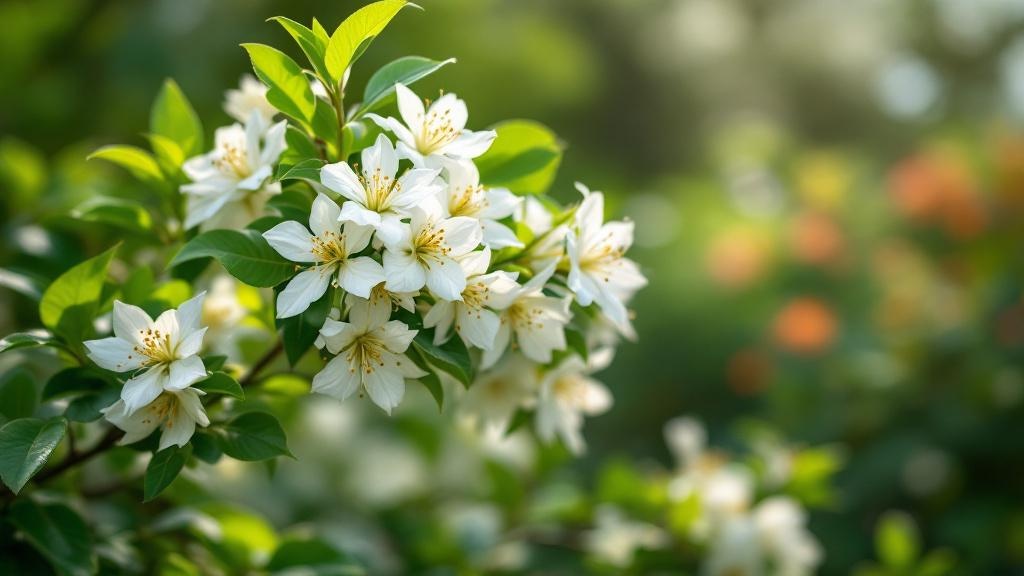
Pomegranate
Pomegranate trees are beloved for their stunning crimson flowers, decorative foliage, and delicious ruby fruit—but many gardeners struggle with poor fruiting or leaf drop in cooler climates. In temperate regions (USDA zones 5–8), pomegranates require specific care to fruit reliably. Whether you're growing in a pot or garden bed, understanding seasonal needs is key to success.
Watering Pomegranate Trees
Pomegranates need deep, infrequent watering rather than daily misting. From April to September, water every 7–10 days when the top 3 cm of soil feels dry; in hot spells, every 5–7 days. In October through March, reduce watering significantly—allow the soil to dry between waterings to encourage dormancy and flowering. Overwatering causes root rot and splits fruit; underwatering stresses the tree and reduces yield.
Light Requirements for Pomegranate
Pomegranates are sun-worshippers and need at least 6–8 hours of direct sunlight daily to flower and fruit well. In temperate zones, plant in south-facing positions (Northern Hemisphere) or north-facing (Southern Hemisphere) to maximize warmth and light. Potted specimens should be moved outdoors from May through September; insufficient light indoors results in sparse flowers and no fruit.
Soil & Repotting Advice
Use well-draining, sandy-loam soil with a pH of 6–7. Add 20–30% perlite or coarse sand to standard compost to prevent waterlogging. Repot container trees every 2–3 years in early spring before growth resumes. For garden planting, amend heavy clay with compost and sand to improve drainage. Do not plant in purely peat-based compost, which retains too much moisture.
Temperature & Humidity Management
Pomegranates tolerate temperatures between 5–40°C but fruit best where summers exceed 25°C. In regions where winter temperatures drop below -10°C, grow in containers and move indoors or to a frost-free greenhouse from November to March. Humidity should be moderate (40–60%); avoid misting, which invites fungal disease. Ensure good air circulation around foliage to prevent powdery mildew.
Fertilizing Your Pomegranate
Apply a balanced, slow-release fertilizer (NPK 10–10–10) in April and again in June. Switch to a potassium-rich formula in August (NPK 5–10–15) to support fruit ripening and flowering next year. Do not over-fertilize; excess nitrogen promotes leafy growth at the expense of flowers. Mulch with 5 cm of compost around the base each spring to provide slow nutrient release.
Common Problems & Solutions
Leaf drop in autumn and early winter is normal as the tree enters dormancy; maintain cool, dry conditions (10–15°C) to encourage it. Powdery mildew appears in damp, poorly ventilated spaces—prune dense branches and ensure airflow; treat with sulphur dust in early stages. Fruit splitting occurs when watering is erratic; water deeply but infrequently and maintain consistent moisture from July onwards. Mealy bugs and scale insects can infest fruit in Mediterranean climates; inspect regularly and spray with horticultural soap if needed.
Frequently asked questions
How often should I water a pomegranate tree?
Water deeply every 7–10 days from April to September when the top 3 cm of soil is dry, and reduce to every 2–3 weeks in winter dormancy. Overwatering is the most common cause of failure; the soil should dry slightly between waterings.
Why is my pomegranate not flowering?
Insufficient sunlight (less than 6–8 hours daily), overfeeding with nitrogen, or mild winters without a cold period will prevent flowering. Pomegranates need a cool winter rest (5–15°C for 2–3 months) to set flower buds. Ensure your tree gets full sun and reduce nitrogen fertilizer.
Can I grow pomegranate in a pot in a temperate climate?
Yes, containerized pomegranates are ideal for cooler zones where you can move them indoors in winter. Use a 40–50 litre pot with drainage holes, repot every 2–3 years, and move outdoors from May to September for maximum sun exposure.
When do pomegranate fruits ripen?
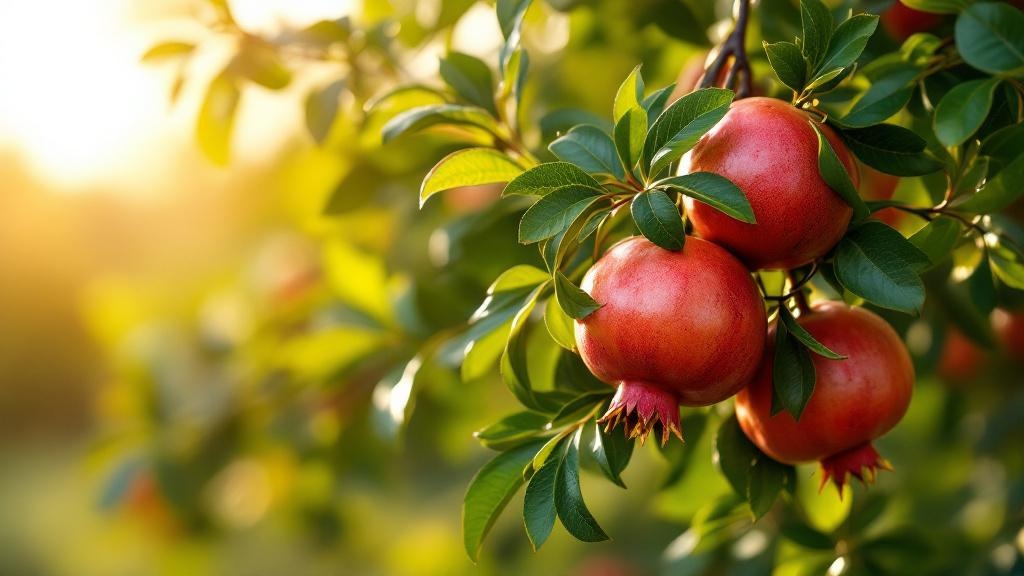
Flowers appear in June–July in temperate regions; fruits develop through summer and ripen in September–October, turning deep red or orange-red. Ripe fruit splits slightly at the crown and feels heavy for its size; harvest when colour is rich and skin yields slightly to pressure.
Is pomegranate toxic to cats or dogs?
The fruit flesh and seeds are non-toxic to cats and dogs. However, the skin and white pith are bitter and mildly irritating; supervise pets to prevent stomach upset if they nibble the rind.