Carrot rust fly
📖 Overview
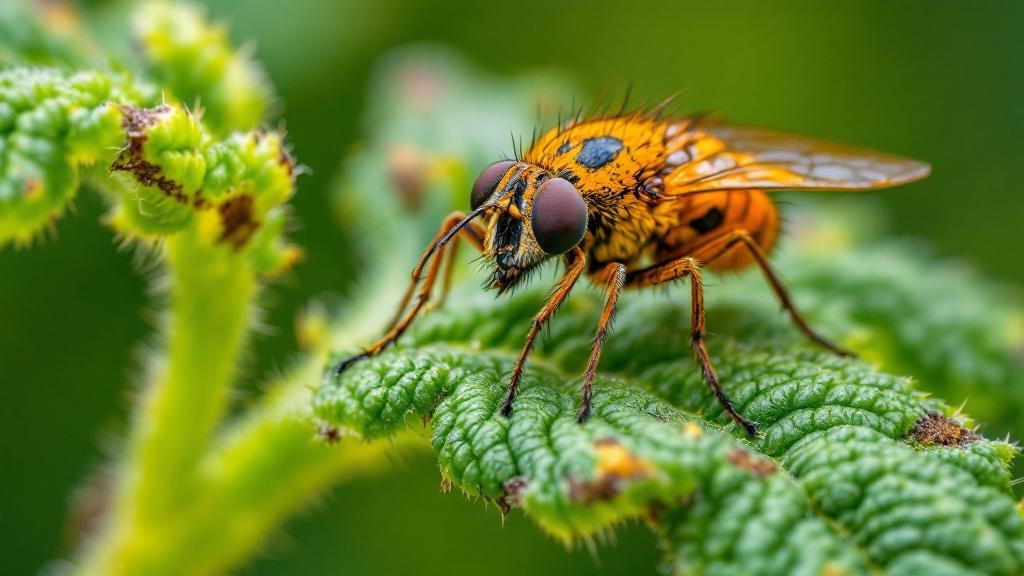
Carrot rust fly is a small pest whose larvae tunnel into carrot, parsnip, celery, and parsley roots, creating rust-colored, winding channels that make the vegetables unmarketable and prone to rot during storage. The damage matters because even light infestations can ruin an entire harvest, turning crisp roots into mushy, discolored ones within weeks of harvest. In temperate climates, the pest strikes in two main windows: late April through May (when the spring generation of adult flies emerges) and again in July through August (when the second generation appears), so timing your planting and protection is crucial to success.
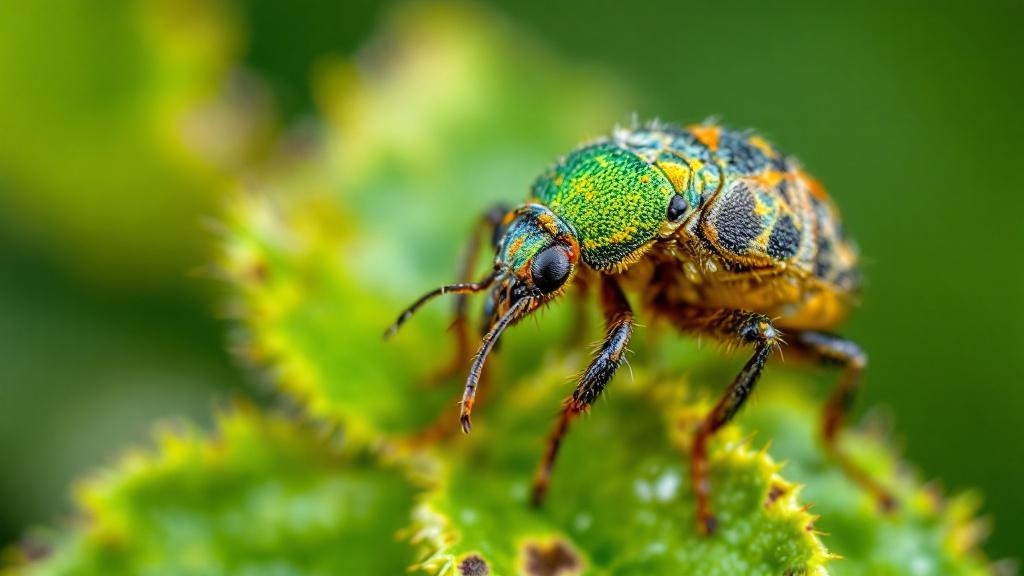
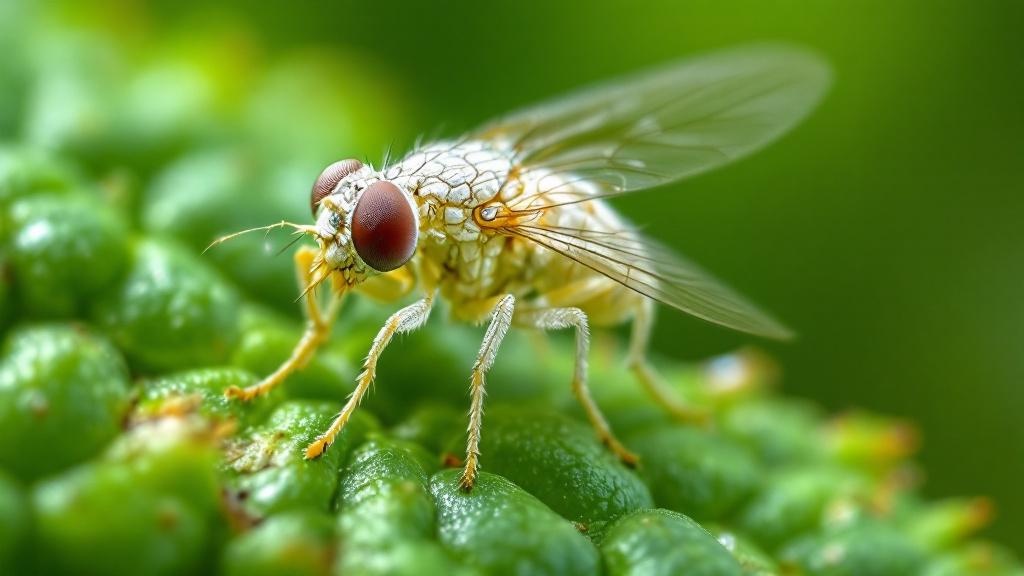
The first sign of trouble is yellowing or purplish-tinged foliage in early summer, which signals that larvae are feeding underground. A few weeks later, if you dig up a root, you'll spot the telltale rusty-orange tunnels running through the flesh, often concentrated near the shoulder and base. These tunnels are unmistakable and differ sharply from other carrot problems: bacterial canker creates darker, sunken lesions; wireworm damage looks like clean round holes rather than wiggly channels; and simple forking or cracking from uneven watering leaves no discoloration. The adult fly itself is tiny (4-5 mm) and greenish-black, easily overlooked, but the damage it leaves behind is impossible to miss.
🔍 How to identify
A répa felszínén rozsdás-vörös, kanyargós alagutak, főleg az alján. A lomb sárgul, később lila árnyalatú. Tárolásban a károsodott rész tovább rohad. A felnőtt légy 4-5 mm-es, zöldes-fekete.
🌿 Common host plants
💊 Treatment
Rovarháló (1,3 mm) április végétől kötelező. Magas (60+ cm) fizikai fal a sor körül. Hagyma- és póréhagyma köztes vetése (illatok elnyomják a légy tájékozódását).
Spinosad, deltametrin a felnőtt rajzáskor (május vége és augusztus eleje).
🛡️ Prevention
Vetésforgás (3+ év). Késői (június végi) vetés a tavaszi rajzás elkerülésére. Áttelelő lárvától ŐSZI mélymulcsozás (kifagy).
Frequently asked questions
When exactly is the carrot rust fly most active, and how fast does damage happen?
Two generations attack in temperate zones: late April through May (spring flight) and late July through August (summer flight), with peak egg-laying and larval feeding happening within 2-3 weeks of adult emergence. Larvae tunnel actively for 3-4 weeks, so by mid-June and mid-September you may already see surface damage if you dig test roots.
Can I still eat carrots that have rust fly tunnels in them?
Yes, they are completely safe to eat. Cut away the rusty tunneled portions and the rest of the root is fine, but the damaged sections will spoil quickly in storage, so use affected carrots within days of harvest rather than laying them down for winter storage.
What's the easiest organic method that doesn't require chemicals?
Row cover netting (1.3 mm mesh) laid over crops from late April through June blocks the spring generation almost completely, and again in July–August for the summer flight. This single-step barrier is foolproof for home gardeners and needs no spraying; just anchor edges with soil or stones and remove it only during harvest.
Does planting carrots later (in June) really help avoid this pest?
Yes, direct seeding in late June sidesteps the damaging spring generation entirely and lets you harvest in autumn before the second generation causes serious damage. This works best in zones 5–7; in zone 8 you may catch the tail end of summer flights, so combine late seeding with row cover for safety.
How do I stop carrot rust fly from surviving winter and attacking next year?
Deep autumn cultivation (30+ cm) after harvest in September–October exposes pupating larvae to frost and kills them, especially if you live where winter temperatures drop below minus 8°C for several weeks. Always remove and burn (do not compost) infested roots and debris, since larvae can overwinter in stored damaged carrots or fallen plant material in the soil.
Not sure what's wrong? Take a photo!
Plantora's AI Plant Doctor identifies the issue from a single photo in seconds and gives you a tailored treatment guide.
Try AI diagnosis (free) →