Dragon Tree
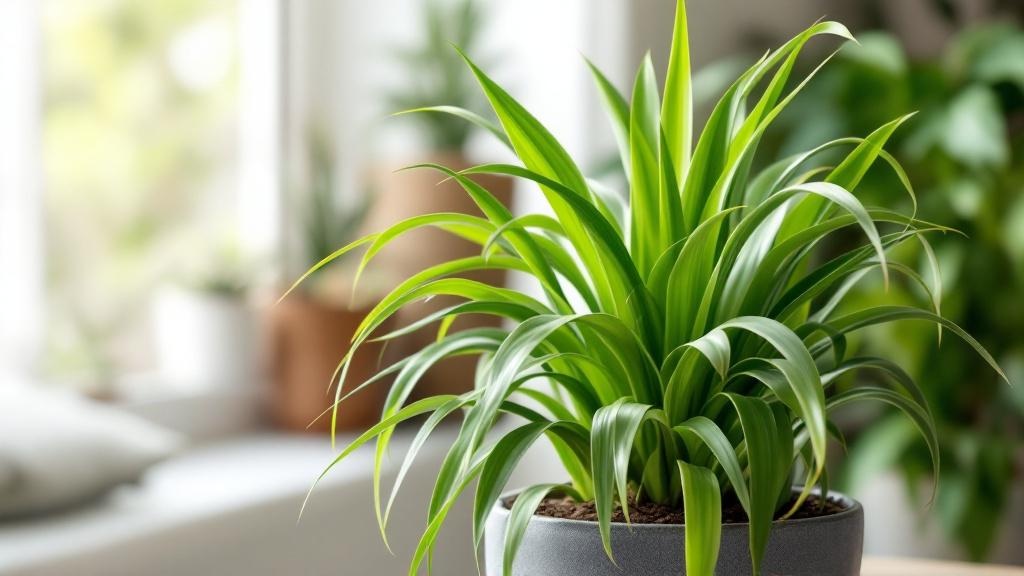
The Dragon Tree, or Dracaena marginata, is prized for its architectural foliage and ability to handle varied indoor conditions. With its signature thin, arching leaves edged in deep crimson, it brings tropical elegance to any room. The most common question gardeners ask is whether they're overwatering—and the answer is usually yes. These plants prefer to dry out between waterings and resent soggy soil.
Watering Your Dragon Tree
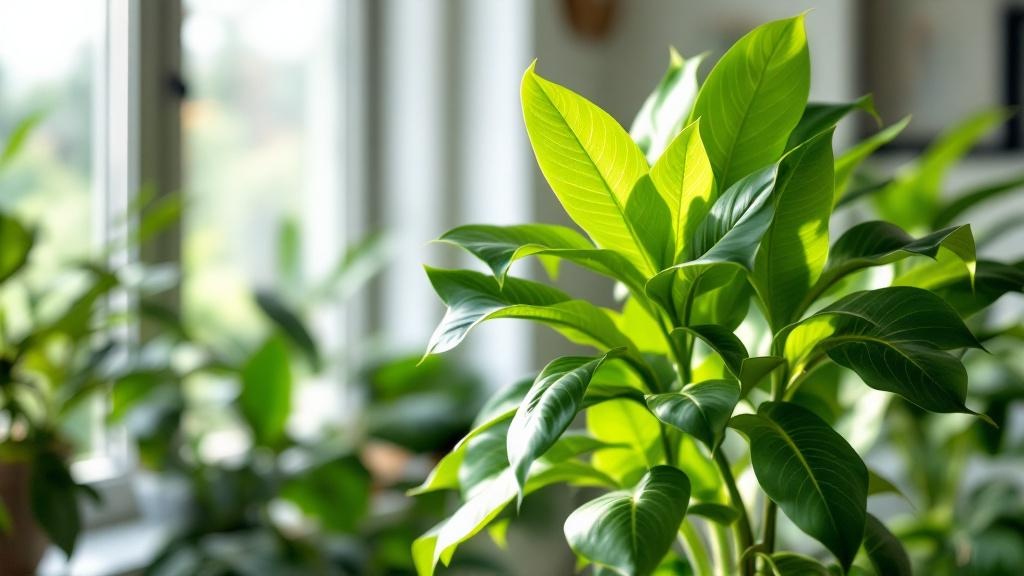
Water deeply every 10-14 days during the growing season (April to September), allowing the top 2-3 cm of soil to dry out between waterings. In winter, reduce frequency to every 3-4 weeks as growth slows. Use room-temperature water and avoid letting the pot sit in standing water, as root rot is the most common killer of Dragon Trees. If leaves turn yellow or brown at the tips, you're likely overwatering.
Light Requirements
Dragon Trees perform best in bright, indirect light—a spot near an east or west-facing window is ideal. They tolerate partial shade better than most houseplants and can survive in lower light, but growth will slow and leaf color may become less vibrant. Direct harsh afternoon sun can fade the distinctive red leaf margins, so filter strong sunlight with a sheer curtain if necessary. Rotate the plant every 2-3 weeks to encourage even growth.
Soil and Repotting
Use a well-draining potting mix—commercial houseplant compost mixed with perlite or orchid bark works well. Dragon Trees don't need frequent repotting; refresh the top 3-4 cm of soil annually in spring, or repot entirely every 2-3 years if roots are circling the pot. Choose a container with drainage holes slightly larger than the current pot. Peat-based mixes are effective but consider peat-free alternatives to reduce environmental impact.
Temperature and Humidity
Maintain temperatures between 16-24°C for optimal growth; Dragon Trees are sensitive to cold and should never be exposed to temperatures below 13°C or drafts from windows or heating. Average household humidity is fine, but the plant appreciates an occasional misting or shower to rinse dust from its distinctive foliage. In heated homes during winter months (November to March), misting twice weekly can prevent leaf tips from browning.
Feeding Your Dragon Tree
Feed every 4-6 weeks during the growing season (April to September) with a balanced, diluted liquid houseplant fertilizer. Switch to a half-strength or monthly feed from October to March as growth naturally slows. Over-feeding causes brown leaf tips and salt buildup in the soil, so less is more. If your plant hasn't been fed in a year, start conservatively and adjust based on new leaf color and vigor.
Common Problems and Solutions
Yellow or brown leaves: Usually indicates overwatering or poor drainage; allow soil to dry more between waterings and repot into fresh compost if the soil smells sour. Spider mites and mealybugs are occasional indoor pests in temperate climates, especially on stressed plants; spray affected areas with insecticidal soap or neem oil every 7-10 days until clear. Leggy, bare stems: This is normal as the plant ages but can be slowed by ensuring bright light and pruning tall stems in spring to encourage branching.
Frequently asked questions
How often should I water my Dragon Tree?
Water every 10-14 days in spring and summer, allowing the top 2-3 cm of soil to dry between waterings. Reduce to every 3-4 weeks in autumn and winter. Always err on the side of underwatering—Dragon Trees tolerate dry soil far better than waterlogged roots.
Why are my Dragon Tree leaves turning yellow?
Yellow leaves almost always indicate overwatering or poor drainage. Check that your pot has drainage holes and the soil isn't compacted. Allow the plant to dry out more between waterings, and consider repotting into fresh, well-draining compost if the soil feels permanently wet.
Can I grow a Dragon Tree in low light?
Dragon Trees can survive in low light, but they prefer bright, indirect conditions. Growth will slow significantly in dim rooms, and the red leaf margins may fade. If your space is dim, rotate the plant closer to a window or supplement with a grow light for 8-10 hours daily.
Is Dragon Tree toxic to cats and dogs?
Yes, Dracaena marginata is mildly toxic to cats and dogs and can cause drooling, vomiting, and loss of appetite if leaves are chewed. Keep the plant out of reach of curious pets, or place it on a high shelf or in a separate room if your pet is a persistent nibbler.
How do I propagate a Dragon Tree?
Propagate by cutting 10-15 cm stem sections just below a leaf node in spring and placing them in moist seed compost or perlite. Cover with a clear plastic bag to retain humidity and keep at 18-22°C. Roots should develop within 3-4 weeks; move rooted cuttings into potting mix once new growth appears.