Water Lily
Water lilies are among the most rewarding aquatic plants for gardeners in temperate zones, thriving in ponds, large containers, and water features. Most home gardeners wonder how much sunlight they need and at what depth to plant them. With the right conditions—adequate light, stable water temperature, and proper planting depth—water lilies bloom reliably from late spring through early autumn, creating a focal point in any water garden.
Water Depth and Submersion
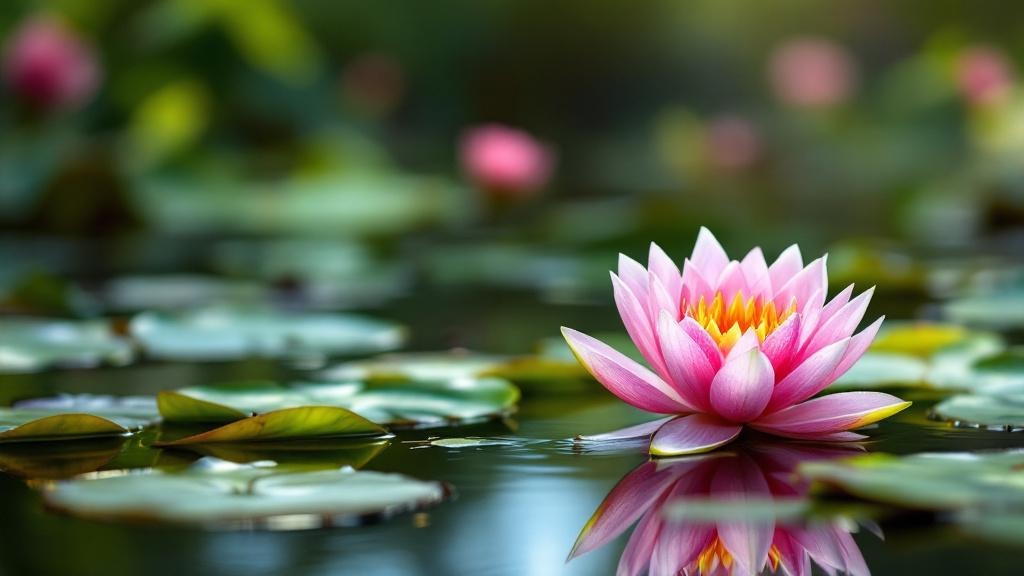
Water lilies must be submerged, with leaves and flowers floating on the surface. Hardy varieties thrive at 30-60cm depth, while tender tropical types prefer 15-30cm. In temperate climates (USDA zones 5-8), hardy water lilies overwinter in deeper ponds where water doesn't freeze solid; if your pond freezes below 60cm, move tender varieties indoors or drain the pond in late October. Check depth monthly during the growing season to account for evaporation, especially in summer.
Light Requirements for Blooming
Water lilies require a minimum of 6 hours of direct sunlight daily to flower reliably; 8 hours is ideal. Planted in shade or dappled light, they produce only leaves and few or no blooms. Position your pond or planter away from overhanging trees and tall structures. In regions with intense summer heat (July-August), slight afternoon dappling can prevent leaf scorch, but never sacrifice full morning sun.
Soil and Planting Setup
Use specialized aquatic planting compost or heavy loam (not lightweight potting mix, which floats). Plant rhizomes horizontally in 25-30cm pots with 2-3cm of soil covering the growing tip. Line baskets with hessian to prevent soil washing away. In early May, gradually lower planted baskets into the pond as water warms; hardy varieties tolerate cooler spring water, but tender types should wait until water reaches 15°C consistently. Repot every 2-3 years in March-April before active growth.
Temperature and Winter Dormancy
Hardy water lilies (Nymphaea alba, Nymphaea odorata) survive temperate winters by dormancy. In zones 5-8, reduce feeding in September and stop deadheading; allow plants to naturally decline as water temperature drops below 15°C in October. If your pond freezes, install a pond heater or deicer to prevent ice sealing the surface (which traps toxic gases). Tender varieties must be lifted in late October, stored in cool water indoors at 10-15°C, and replanted in May.
Feeding and Seasonal Fertilizing
Feed hardy water lilies monthly from May through August using slow-release aquatic fertilizer tablets (insert 2-3 tablets per pot into soil). Cease feeding by late September to slow growth before dormancy. Tender varieties need feeding every 2 weeks during their growing season. Never use general-purpose nitrogen-heavy fertilizers, which promote excessive leaf growth at the expense of flowers. Fertilizer runoff into non-planted areas can trigger algae blooms; keep feeding localized to planting baskets.
Common Problems and Pests
Yellowing leaves often signal nutrient deficiency or poor light; increase feeding and reduce shading if possible. In temperate zones, water lily beetle and China mark moth can damage foliage in July-August; manual removal of affected leaves usually controls mild infestations. Fungal crown rot occurs in poorly aerated water; ensure some water movement via fountain or gentle circulation. Overgrown plants with crowded leaves produce fewer flowers; divide and repot every 2-3 years in spring.
Frequently asked questions
How often should I water my water lily?
Water lilies live fully submerged, so you don't water them like terrestrial plants. Instead, maintain consistent water depth of 30-60cm and top up monthly to compensate for evaporation. Change approximately 25% of pond water every 2-3 weeks to maintain water quality and prevent algae buildup.
Why aren't my water lilies blooming?
Insufficient light is the most common cause; water lilies need at least 6-8 hours of direct sun daily to flower. Other reasons include overcrowding, poor nutrition (increase fertilizer in May-August), or planting depth too shallow or too deep. Check that rhizomes are positioned horizontally with the growing tip just above soil, and growing tip is 2-3cm below water surface.
When do water lilies bloom in temperate climates?
Hardy water lilies bloom from late May through September, with peak flowering in July-August. Tender tropical varieties flower later, from June onwards, and continue until the first frost in October. Flowers typically open in early morning and close by afternoon.
Can I grow water lilies in a container on a patio?
Yes, water lilies grow well in large containers (minimum 60cm diameter, 45cm deep) placed in full sun. Use aquatic planting compost, submerge the pot to water surface level, and maintain consistent depth as water evaporates. Containers freeze more readily than open ponds in winter; drain or move tender varieties indoors after the first hard frost in October.
Are water lilies toxic to fish or pets?
Water lilies are entirely safe for fish, frogs, and pets. They don't release toxins and actually improve pond health by shading water and reducing algae growth. Pets can safely drink from water lily ponds and fish can hide among leaves and rhizomes.