Emerald Ripple Peperomia
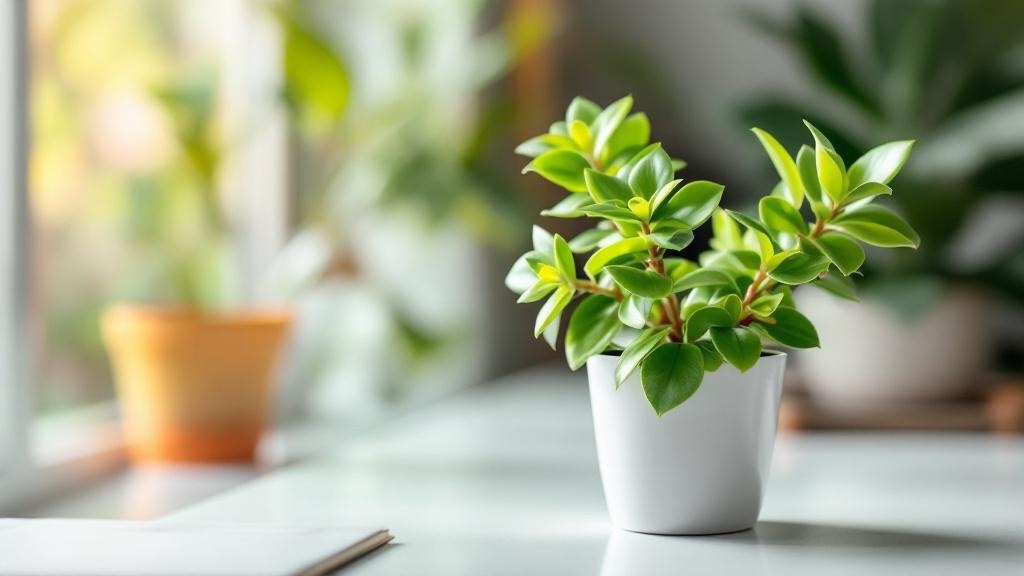
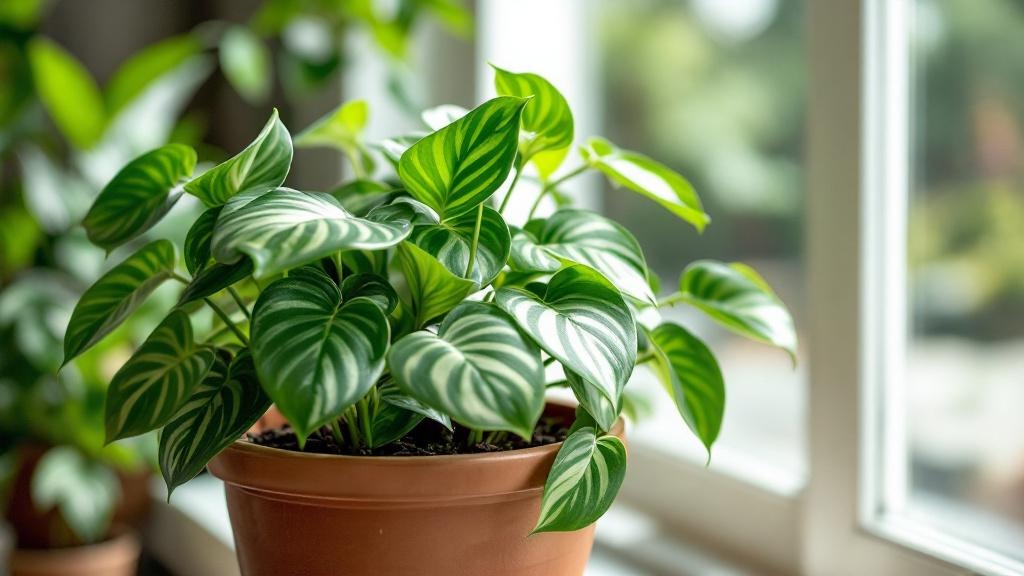
Emerald Ripple Peperomia is a beloved compact houseplant prized for its deeply textured, emerald-green foliage and trailing growth habit. Native to Central and South America, it thrives indoors in temperate homes and requires minimal fuss. Most gardeners ask how often to water it and whether it will grow in low light—we'll cover both here.
Watering Your Emerald Ripple Peperomia
Allow the top 1-2 cm of soil to dry between waterings, then water thoroughly until excess drains. In temperate climates, this typically means watering every 7-10 days in spring and summer, and every 10-14 days in autumn and winter. Peperomias are prone to root rot in waterlogged soil, so err on the side of underwatering rather than overwatering. Use room-temperature water and avoid letting the plant sit in a saucer of standing water.
Light Requirements for Healthy Growth
Emerald Ripple Peperomia performs best in bright, indirect light—a north or east-facing windowsill is ideal. It tolerates lower light conditions better than many houseplants, but growth will slow and leaves may lose vibrancy in dim spaces. During winter months in northern temperate regions, move it closer to a window to maximize available daylight. Direct midday sun can scorch the delicate leaves, so filter strong afternoon light through a sheer curtain.
Soil and Repotting Care
Use a well-draining potting mix—a blend of peat moss, perlite, and bark works well. Repot every 12-18 months in early spring when the plant becomes root-bound, moving to a container only 1-2 cm larger in diameter. Peperomias prefer snug containers and shallow pots. Ensure the pot has drainage holes to prevent moisture accumulation.
Temperature and Humidity
Emerald Ripple Peperomia thrives between 18-25°C and should never be exposed to temperatures below 10°C. In temperate climates, keep it away from cold drafts near windows in winter and avoid placing it near heating vents that cause dry air. It appreciates moderate humidity (40-60%), which most indoor homes provide naturally. Misting occasionally in dry months or grouping plants together can further boost humidity without excess watering.
Fertilizing Schedule
Feed with a balanced, diluted liquid houseplant fertilizer every 4-6 weeks during the growing season (March to September in temperate regions). In autumn and winter, reduce feeding to every 8-10 weeks or stop entirely, as growth slows. Avoid over-fertilizing, which causes salt buildup in the soil and leaf tip burn. Always follow package instructions and never fertilize when the soil is completely dry.
Common Problems and Solutions
Yellowing or translucent leaves typically indicate overwatering—let soil dry slightly longer and reduce watering frequency. Spider mites, though rare indoors, may appear in very dry environments; mist the plant and increase humidity to deter them. Leaf drop can result from cold drafts or sudden temperature swings, so maintain consistent warmth (above 15°C) away from windows in winter. Brown crispy leaf edges suggest low humidity or mineral buildup in the water—use filtered water and mist occasionally.
Frequently asked questions
How often should I water Emerald Ripple Peperomia?
Water every 7-10 days in spring and summer once the top 1-2 cm of soil is dry, and every 10-14 days in autumn and winter. Always check the soil moisture before watering to avoid root rot.
Can Emerald Ripple Peperomia grow in low light?
Yes, it tolerates low light better than many houseplants, but growth will be slower and leaves may pale. Bright indirect light produces the most vibrant, compact growth.
Is Emerald Ripple Peperomia toxic to cats and dogs?
No, Emerald Ripple Peperomia is completely safe for pets and can be displayed anywhere in your home without concern.
Why are the leaves of my Peperomia turning yellow?
Yellow leaves usually mean overwatering or poor drainage leading to root rot. Reduce watering frequency, ensure the pot has drainage holes, and allow soil to dry more between waterings.
What temperature does Emerald Ripple Peperomia prefer?
It thrives between 18-25°C year-round and should never be exposed to temperatures below 10°C. Protect it from cold drafts and heating vents that cause temperature fluctuations.