Spinach
Spinach is one of the most rewarding vegetables for home gardeners in temperate regions, delivering nutrient-rich leaves in just 4-6 weeks. The biggest question gardeners ask: why does spinach bolt so quickly? The answer lies in temperature, day length, and consistent soil moisture. Growing spinach successfully means working with the seasons, not against them.
Watering Spinach for Tender Leaves
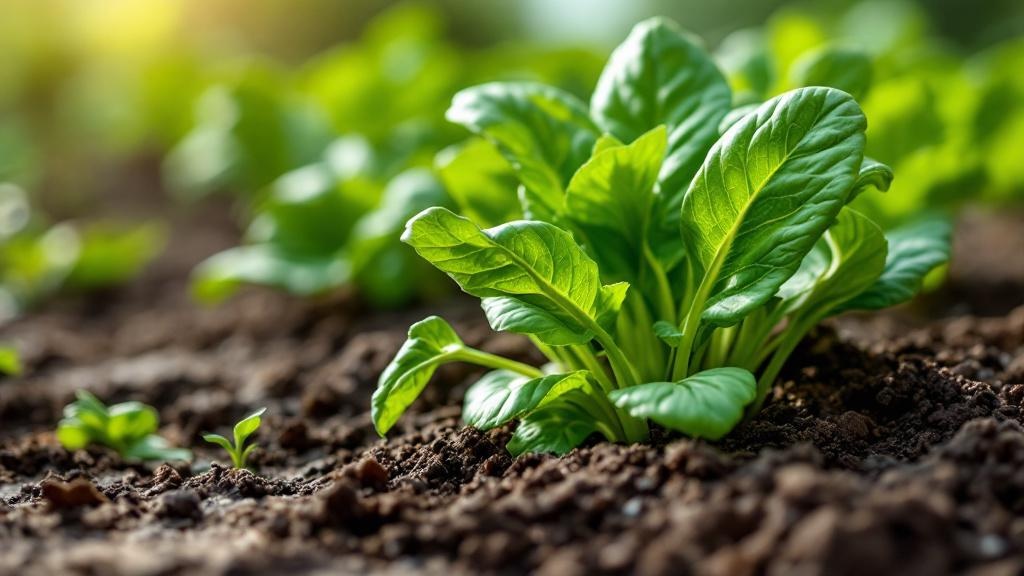
Spinach requires consistent moisture to prevent bolting and ensure tender, flavorful leaves. Water deeply 1-2 times per week, aiming for 1-2 inches of water depending on rainfall and temperature. In temperate spring and autumn, soil dries more slowly, but check soil at 1-2 inches depth before watering. Avoid overhead watering late in the day to reduce fungal issues like downy mildew, which is common in cool, wet conditions across Central Europe and the UK.
Light Requirements for Optimal Growth
Spinach grows best in full sun to partial shade, needing a minimum of 4-6 hours of direct light daily. In spring, when days are lengthening, spinach actually benefits from light afternoon shade to delay bolting. In autumn (September-October sowing), full sun helps maximize growth before winter dormancy. If growing indoors under lights, provide 12-14 hours of illumination daily, positioned 4-6 inches above seedlings.
Soil & Planting Preparation
Spinach thrives in rich, well-draining soil with pH between 6.5 and 7.5, amended with compost or well-rotted manure. Direct sow seeds 2-3 weeks before the last spring frost (in temperate zones, typically late March to April), or in late August for autumn harvest. Thin seedlings to 3-4 inches apart once true leaves appear. Spinach prefers loose soil without compaction, so till or dig beds to 8-10 inches deep before planting.
Temperature & Humidity Management
Spinach is a cool-season crop and thrives at 50-70°F; temperatures above 75°F trigger bolting. In temperate zones, spring crops should be sown by late March to harvest before early summer heat arrives. Autumn sowings (late August) are often more reliable and productive, producing through September, October, and sometimes into November. Spinach tolerates light frosts and even light snow, making it ideal for extended seasons in zones 5-8.
Fertilizing Young Spinach Plants
Spinach is a light feeder; over-fertilizing encourages leafy growth at the expense of texture. Work a balanced, slow-release fertilizer (5-5-5 NPK) or 2-3 inches of compost into the soil before planting. Once plants have 2-3 true leaves, apply a light nitrogen boost with diluted fish emulsion or compost tea every 2-3 weeks if growth appears slow. Avoid high-nitrogen fertilizers, which promote bolting and excessive foliage.
Common Problems and Solutions
Downy mildew (gray fuzz on leaf undersides) is the most common disease in cool, damp temperate springs; improve air circulation and avoid overhead watering. Bolting occurs when temperatures exceed 75°F or day length extends beyond 14 hours, and is unavoidable — harvest leaves before bolting begins. Slugs and snails appear in autumn crops during cool, wet weather; use slug traps, copper tape, or neem oil as needed. Leaf spot diseases can develop if foliage stays wet; water at soil level only.
Frequently asked questions
How often should I water spinach?
Water spinach 1-2 times per week to keep soil consistently moist, aiming for 1-2 inches of water weekly. Check soil moisture at 1-2 inches depth; spinach needs steady moisture to prevent bolting and toughness, but not waterlogged conditions.
Why is my spinach bolting so fast?
Spinach bolts when temperatures exceed 75°F or day length extends beyond 14 hours, signaling the plant to flower rather than produce leaves. Grow spinach in spring (sow by late March) or autumn (late August) to avoid summer heat, and harvest frequently to delay bolting.
Can I grow spinach indoors year-round?
Yes, spinach grows well indoors under LED grow lights providing 12-14 hours of light daily in cool rooms (50-70°F). Indoor growing avoids bolting triggered by long spring days and summer heat, allowing winter and summer harvests, but requires consistent watering and good air circulation.
When should I sow spinach in temperate zones?
Sow spinach in late March to April for spring harvest (ready in 4-6 weeks by late May), or in late August for autumn harvest (September-November). Autumn sowings are often more productive and less prone to bolting than spring crops in zones 5-8.
What pests affect spinach in cool climates?
Slugs and snails are the main pests in temperate autumn crops, feeding on leaves during cool, wet weather. Use slug traps, copper barriers, or organic neem oil; beetles and aphids are less common in cool seasons but handpick or spray with insecticidal soap if they appear.
🩺 Common diseases and pests
These problems commonly affect this plant. Click any to see full symptom descriptions, organic and chemical treatment, and prevention.