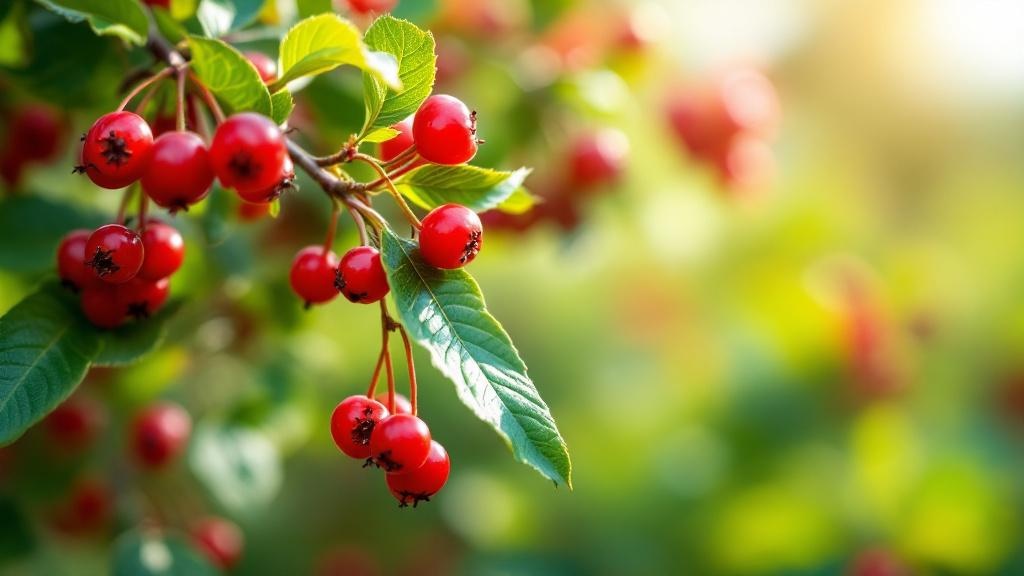
Pepper
Pepper plants are rewarding to grow at home, producing colourful, flavourful fruit from summer through autumn. Whether you're growing sweet bell peppers or hot varieties, the key questions are always about watering frequency, light requirements, and when to expect fruit. In temperate climates (USDA zones 5-8), timing your planting and understanding seasonal care makes all the difference.
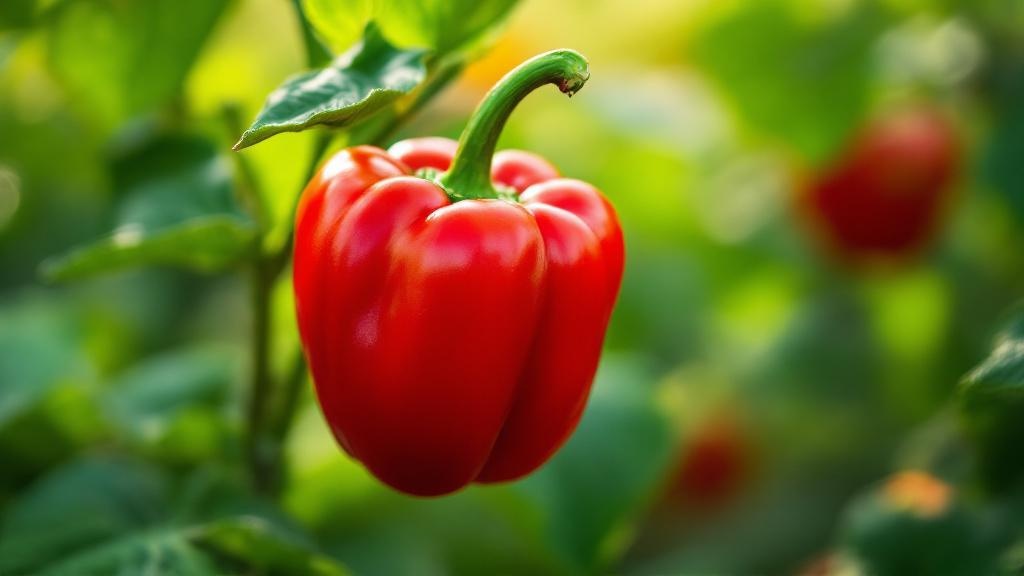
Watering Your Pepper Plants
Peppers need consistent moisture but not waterlogged soil. In summer, water deeply every 1-2 days depending on heat and soil drying speed; in cooler months (autumn, early spring), reduce to every 2-3 days. Check the top 2 cm of soil with your finger—water only when it feels dry. Mulch around the base to retain moisture and regulate soil temperature during hot spells.
Light Requirements for Peppers
Peppers are sun-lovers and need 6-8 hours of direct sunlight daily to produce abundant fruit. Indoors, place them on a south-facing windowsill or under grow lights. If grown entirely indoors in temperate climates, supplement with LED grow lights to reach flowering and fruiting stages. Insufficient light leads to fewer flowers and smaller yields.
Soil and Repotting Peppers
Use well-draining, fertile soil rich in organic matter—a mix of compost, peat moss, and perlite works well. Repot seedlings into 20-30 cm pots when they have 2-3 sets of true leaves. For large containers or garden beds, peppers can stay in the same soil for one season, but add compost or balanced fertiliser in mid-summer to refresh nutrients.
Temperature and Humidity for Peppers
Peppers thrive between 18-28°C; growth slows below 15°C and stops below 10°C. In temperate climates, start seeds indoors in late February to March for outdoor planting after the last frost (typically mid-May). Humidity around 50-70% is ideal; in dry indoor conditions, mist lightly or use a humidity tray. Sudden temperature drops or cold nights can cause flower drop.
Feeding and Fertilizing Peppers
Start with a balanced fertiliser (10-10-10) every 2-3 weeks once plants are 10-15 cm tall. When flowering begins (late May-June), switch to a higher-potassium formula (e.g., 5-10-10) to encourage fruit set. Reduce feeding in autumn as growth naturally slows. Organic options like compost tea or seaweed extract are excellent for continuous, gentle nutrition.
Common Pepper Problems and Solutions
Blossom end rot (dark sunken spots on fruit) is caused by calcium deficiency and irregular watering—ensure consistent moisture and avoid overfeeding nitrogen. Spider mites and whiteflies are common indoors and in warm seasons; spray with insecticidal soap or neem oil every 7-10 days if spotted. Powdery mildew can appear in autumn if humidity is high and air circulation poor—improve ventilation and avoid wetting foliage.
Frequently asked questions
How often should I water pepper plants?
Water pepper plants daily in summer when the top 2 cm of soil feels dry, and every 2-3 days in cooler months. Consistent moisture is key; avoid letting soil dry out completely or become soggy, as both stress the plant and reduce fruit yield.
When should I plant peppers outdoors in temperate climates?
Start seeds indoors in late February to March, then transplant outdoors after the last frost date (typically mid-May in zones 5-8). Peppers need warm soil (at least 15°C) to thrive, so planting too early risks root rot and stunted growth.
Why are my pepper plant leaves turning yellow?
Yellow leaves usually indicate overwatering, poor drainage, or nitrogen deficiency. Check soil moisture first; if waterlogged, repot into fresh, dry soil. If soil is fine, apply a balanced fertiliser and ensure good air circulation around the plant to prevent fungal issues.
How long does it take for peppers to fruit?
Peppers flower 60-90 days after germination and produce mature fruit 2-3 weeks after flowering begins. In temperate climates, expect fruit from July onwards if started indoors in February. Earlier harvests (as green peppers) are possible; leaving them on the plant longer produces sweeter, coloured fruit.
Can I grow peppers indoors year-round?
Yes, peppers can grow indoors if given 6-8 hours of direct light daily or supplemented with grow lights. They fruit well in warm rooms (18-28°C), but growth slows in winter without supplemental lighting. Indoor plants are more prone to spider mites, so monitor regularly and maintain good airflow.
🩺 Common diseases and pests
These problems commonly affect this plant. Click any to see full symptom descriptions, organic and chemical treatment, and prevention.