Queen of the Night Cactus
The Queen of the Night cactus captivates gardeners with its legendary blooms that open after dark and wilt by sunrise, releasing an intoxicating fragrance. Native to Central America and the Caribbean, this climbing cactus has become a treasured houseplant across temperate regions. The most common question growers ask is how to trigger blooming, as many wait years without seeing a single flower. With proper care and a bit of patience, you can witness this spectacular once-a-year event in your own home.
Watering Your Queen of the Night Cactus
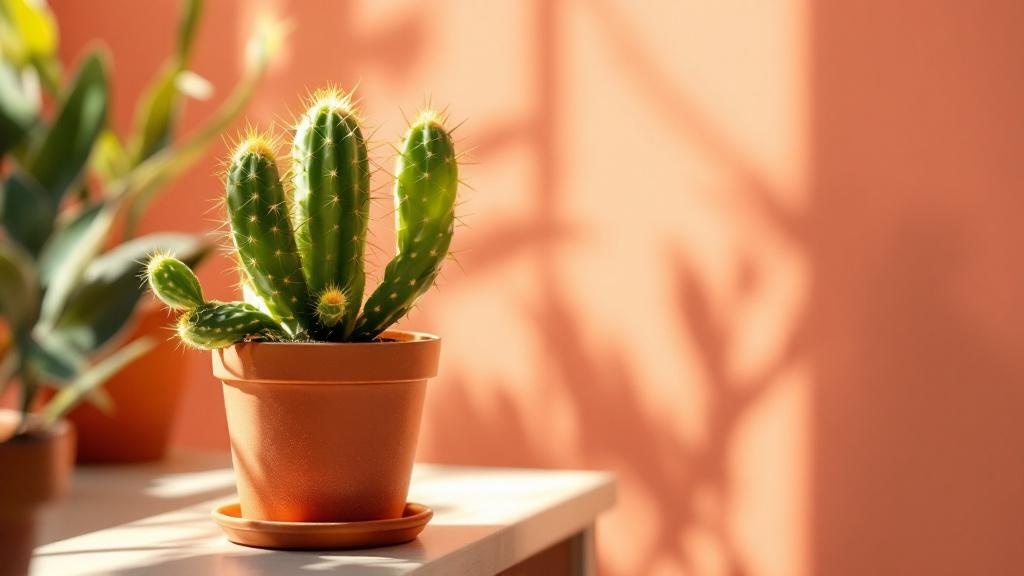
Water thoroughly every 10-14 days during the growing season from April to September, allowing the soil to dry out completely between waterings. In winter, reduce watering to once every 3-4 weeks as the plant enters dormancy. Always check that the top 5cm of soil is dry before watering to prevent root rot, which is the most common cause of death in these cacti.
Light Requirements for Optimal Growth
Provide bright indirect light or morning sun with afternoon shade for best results. In temperate climates, an east or west-facing window works well, though the plant tolerates lower light levels. During summer, you can move it outdoors to a sheltered spot once nighttime temperatures stay above 12°C, typically from late May. Avoid harsh midday sun which can scorch the stems.
Soil and Repotting Guidelines
Use a fast-draining cactus mix or create your own by combining regular potting soil with perlite and coarse sand in equal parts. Repot every 2-3 years in spring, choosing a pot only slightly larger than the current one as this cactus blooms better when slightly rootbound. Provide a sturdy trellis or support structure as the climbing stems can reach 3 meters or more.
Temperature and Humidity Needs
Keep your Queen of the Night at 18-25°C during the growing season and provide a cooler rest period of 10-15°C from November to February to encourage blooming. This winter chill is essential for flower development in temperate homes. Average household humidity is sufficient, but avoid placing the plant near radiators or heating vents which cause excessive drying.
Fertilizing for Better Blooms
Feed monthly from April through August with a balanced liquid cactus fertilizer diluted to half strength. Switch to a high-phosphorus fertilizer in late spring to encourage flower bud formation. Stop fertilizing entirely from September through March during the dormant period, as feeding during this time produces weak, leggy growth.
Common Problems and Solutions
Root rot from overwatering causes stems to turn soft and brown at the base; reduce watering immediately and repot into fresh dry soil if caught early. Mealybugs often hide in stem joints and appear as white cottony masses; treat with rubbing alcohol on a cotton swab or neem oil spray. Scale insects can also infest stems, appearing as brown bumps; scrape off manually and treat with insecticidal soap available at most UK and European garden centres.
Frequently asked questions
How do I get my Queen of the Night cactus to bloom?
You need to provide a cool winter rest period of 10-15°C for 6-8 weeks between November and February. The plant must also be mature, typically 4-5 years old, and slightly potbound. Reduce watering during this dormancy and resume regular care in March to trigger flower bud development.
Why are my Queen of the Night cactus stems turning yellow?
Yellow stems usually indicate overwatering or too much direct sunlight. Check if the soil is staying wet for too long and reduce watering frequency. If the plant receives harsh afternoon sun, move it to a spot with bright indirect light instead.
When does Queen of the Night cactus bloom?
Queen of the Night typically blooms between June and September in temperate climates, with each flower opening after sunset and wilting by morning. Most plants produce only 1-3 flowers per year, and individual blooms last just one night. Watch for buds developing about 3-4 weeks before they open.
Is Queen of the Night cactus toxic to cats?
No, Queen of the Night cactus is non-toxic to cats, dogs, and humans. It is considered safe to keep around pets and children. However, the stems have small spines that could cause minor irritation if touched or chewed.
How fast does Queen of the Night cactus grow?
Queen of the Night grows moderately fast under good conditions, producing 30-60cm of new stem growth per year during the growing season. Young plants focus energy on vegetative growth before becoming mature enough to bloom at around 4-5 years old. Providing a support structure encourages faster vertical growth.