Russian Sage
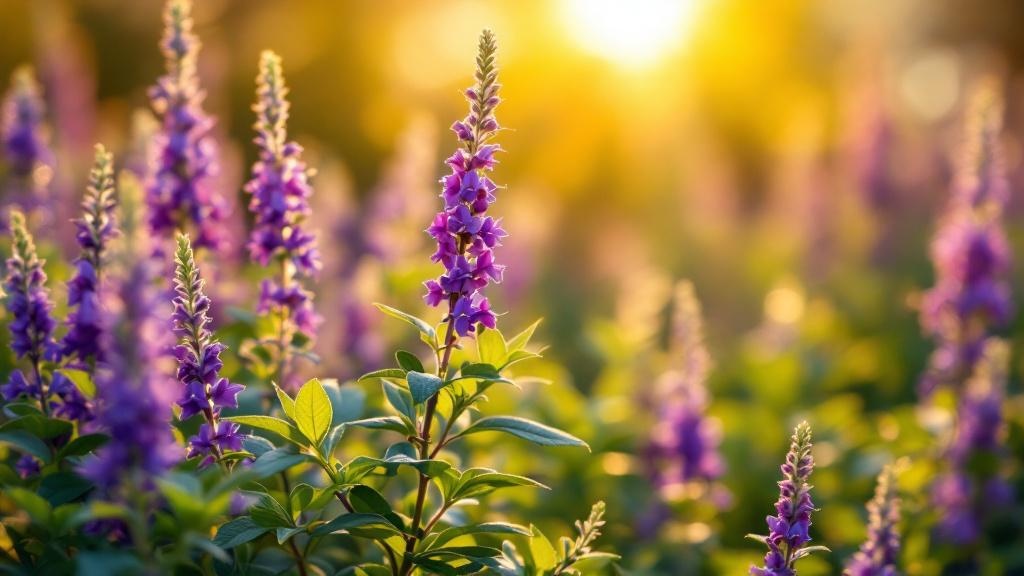
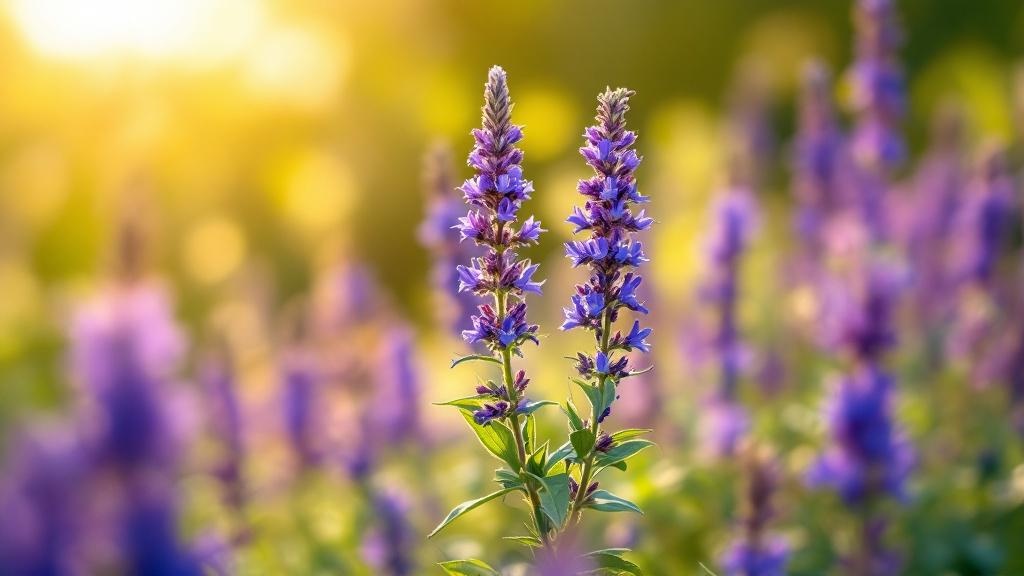
Russian Sage brings Mediterranean charm to temperate gardens with its aromatic silver-grey leaves and hazy purple-blue blooms that attract pollinators all summer long. Despite its delicate appearance, this woody perennial is remarkably tough once established. The most common question gardeners ask is when and how to prune Russian Sage, since improper cutting can reduce flowering or cause winter damage. Getting the timing right makes all the difference between a leggy mess and a stunning garden focal point.
Watering Russian Sage: Less Is More
Water newly planted Russian Sage weekly for the first growing season to establish deep roots. Once established, this drought-tolerant plant needs watering only every 10-14 days during dry spells, or not at all if rainfall is adequate. Overwatering is the most common mistake and leads to root rot and floppy growth. In temperate climates, natural rainfall from October through April typically provides sufficient moisture.
Light Requirements for Maximum Blooms
Russian Sage demands full sun with at least 6 hours of direct sunlight daily. In partial shade, plants become leggy and produce fewer flowers. South or west-facing positions work best in UK and Northern European gardens. Avoid planting near walls or fences that cast afternoon shadows, as this reduces the compact growth habit you want.
Soil and Repotting Needs
Plant Russian Sage in poor to moderately fertile, sharply draining soil. Heavy clay must be amended with grit or coarse sand before planting. This plant actually performs worse in rich soil, producing excessive foliage at the expense of flowers. Container-grown plants need repotting every 2-3 years in spring using a mix of standard potting compost with 30% perlite or grit added.
Temperature and Humidity Tolerance
Russian Sage is fully hardy in USDA zones 5-8, tolerating winter temperatures down to -29°C once established. In zone 5 areas, apply a 10cm mulch of straw or bark chips around the base in late November for extra protection. This plant thrives in low humidity and struggles in damp, humid microclimates. Good air circulation between plants helps prevent fungal issues during wet British summers.
Fertilizing Schedule for Healthy Growth
Russian Sage requires minimal feeding and excessive fertilizer causes weak, floppy stems. Apply a single dose of balanced slow-release fertilizer in mid-April as new growth emerges. Alternatively, work a thin layer of garden compost around plants in early spring. Avoid high-nitrogen feeds which promote leafy growth over flowers.
Common Problems and Solutions
Spider mites can attack during hot, dry summers, causing stippled silvery leaves. Spray with water or use insecticidal soap if infestations persist. Root rot occurs in waterlogged soils, presenting as blackened stems at the base. The only solution is improving drainage or relocating the plant. Powdery mildew occasionally appears in humid conditions but rarely causes serious damage. Ensure adequate spacing of 60-90cm between plants for airflow.
Frequently asked questions
When should I cut back Russian Sage?
Cut Russian Sage back hard in early April, just as new growth appears at the base. Remove all of last year's stems to about 15-30cm from the ground. Never prune in autumn, as the old stems protect the crown from winter frost damage.
Why is my Russian Sage flopping over?
Floppy Russian Sage is caused by too much shade, overwatering, or overly rich soil. Move plants to a sunnier location and reduce watering. The Chelsea Chop technique, cutting stems back by half in late May, can also encourage bushier, more self-supporting growth.
Is Russian Sage toxic to cats and dogs?
No, Russian Sage is considered non-toxic to cats and dogs. It is not listed on ASPCA toxic plant databases. The aromatic foliage actually tends to deter pets from chewing on it.
How long does Russian Sage bloom?
Russian Sage blooms for 8-12 weeks, typically from early July through late September in temperate climates. Deadheading spent flower spikes can extend blooming slightly. The silvery foliage remains attractive well into winter even after flowering ends.
Does Russian Sage spread aggressively?
No, Russian Sage is not invasive and spreads slowly through its woody base. Mature plants reach 90-120cm wide over several years. It does not self-seed aggressively in temperate gardens and stays where you plant it.