Japanese Skimmia
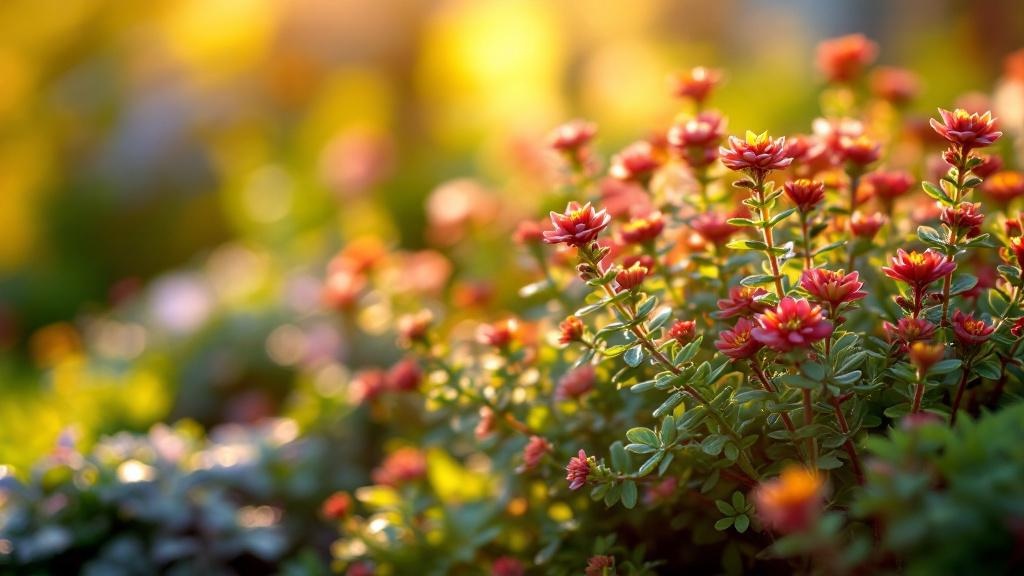
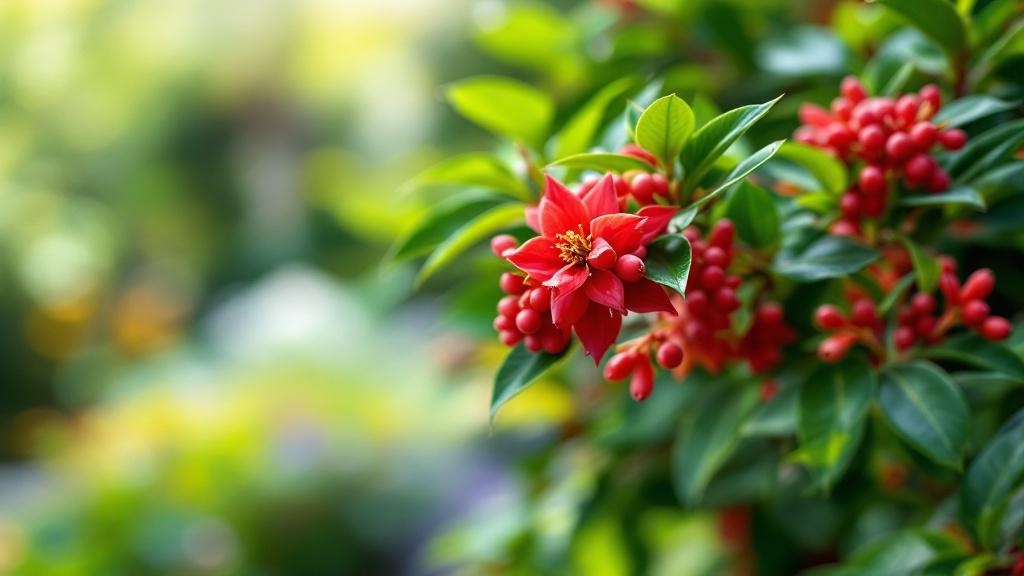
Japanese Skimmia is one of the few shrubs that truly thrives in deep shade while offering four-season beauty — glossy evergreen leaves, fragrant white or pink flower clusters in April, and brilliant red berries that persist through winter. The most common question gardeners ask is why their Skimmia fails to produce berries. The answer lies in understanding that most varieties are either male or female, and you need both for the females to fruit. This compact, slow-growing shrub is ideal for shaded borders, north-facing walls, and containers in temperate regions.
Watering Your Japanese Skimmia
Water Japanese Skimmia deeply once a week during the growing season from April to September, allowing the top 3-5 cm of soil to dry between waterings. Reduce watering to every 10-14 days in winter, as the plant becomes semi-dormant. Container-grown specimens dry out faster and may need watering twice weekly during hot spells in July and August. Always use rainwater if possible, as Skimmia is sensitive to lime and chlorine in tap water.
Light Requirements for Healthy Growth
Japanese Skimmia performs best in partial to full shade, making it perfect for north-facing gardens and woodland understories. Direct afternoon sun, especially in summer, scorches the leaves and causes yellowing. Morning sun with afternoon shade is acceptable, but avoid south-facing positions entirely. In deep shade, flowering may be slightly reduced but the foliage remains lush and healthy.
Soil and Repotting Needs
Plant Skimmia in acidic soil with a pH between 5.0 and 6.5 — it will not tolerate alkaline or chalky conditions. Use ericaceous compost mixed with leaf mould for containers, or amend garden soil with composted bark and peat-free ericaceous mix. Repot container plants every 2-3 years in March before new growth begins. Add a 5-8 cm layer of bark mulch around garden specimens each autumn to retain moisture and suppress weeds.
Temperature and Humidity Preferences
Japanese Skimmia is fully hardy in USDA zones 6-8 and tolerates temperatures down to minus 15C without protection. However, harsh east winds in February and March can damage flower buds and scorch foliage. Position plants in sheltered spots or use fleece protection during severe cold snaps. The shrub appreciates the naturally humid conditions of British and Central European climates and rarely needs additional humidity.
Fertilizing for Flowers and Berries
Feed Japanese Skimmia twice yearly with an ericaceous fertilizer designed for acid-loving plants like rhododendrons and camellias. Apply the first feed in late March as growth resumes and the second in June to support flower bud formation for the following year. Avoid high-nitrogen feeds which promote leaf growth at the expense of flowers. Scatter slow-release granules around the root zone and water in thoroughly.
Common Problems and Solutions
Yellowing leaves typically indicate chlorosis from alkaline soil or hard tap water — test soil pH and switch to rainwater or treat with iron sequestrant. Scale insects appear as small brown bumps on stems and undersides of leaves, particularly after mild winters; control with horticultural oil sprayed in May and September. Skimmia is also susceptible to horse chestnut scale and can develop Phytophthora root rot in waterlogged soils, so ensure good drainage and avoid overwatering during wet autumns.
Frequently asked questions
Why is my Japanese Skimmia not producing berries?
Your Skimmia is likely either male or you only have females without a male pollinator nearby. Female varieties like Skimmia japonica subsp. reevesiana are self-fertile, but most common cultivars require a male plant within 3-5 metres for cross-pollination. Plant one male such as Rubella for every five to six female plants to ensure good berry production.
How often should I water Japanese Skimmia?
Water Japanese Skimmia once a week during spring and summer when the top few centimetres of soil feel dry. In winter, reduce watering to every 10-14 days as growth slows. Container plants need more frequent watering, especially during summer heat waves.
Why are my Skimmia leaves turning yellow?
Yellow leaves on Skimmia almost always indicate lime-induced chlorosis from alkaline soil or hard tap water. Test your soil pH and aim for 5.0-6.5. Switch to rainwater for irrigation and apply iron chelate or sequestered iron to restore green colour within a few weeks.
Is Japanese Skimmia toxic to cats?
Yes, Japanese Skimmia is toxic to cats and dogs. All parts of the plant contain alkaloids that cause vomiting, diarrhea, and excessive drooling if ingested. While pets rarely eat enough to cause serious harm due to the bitter taste, keep the plant out of reach of curious animals.
When does Japanese Skimmia flower?
Japanese Skimmia flowers in April and May in temperate climates, producing dense clusters of small fragrant white or pink blooms. Male varieties like Rubella have showier, more fragrant flowers, while female flowers are smaller but followed by decorative red berries that last from October through March.