Scotch Broom
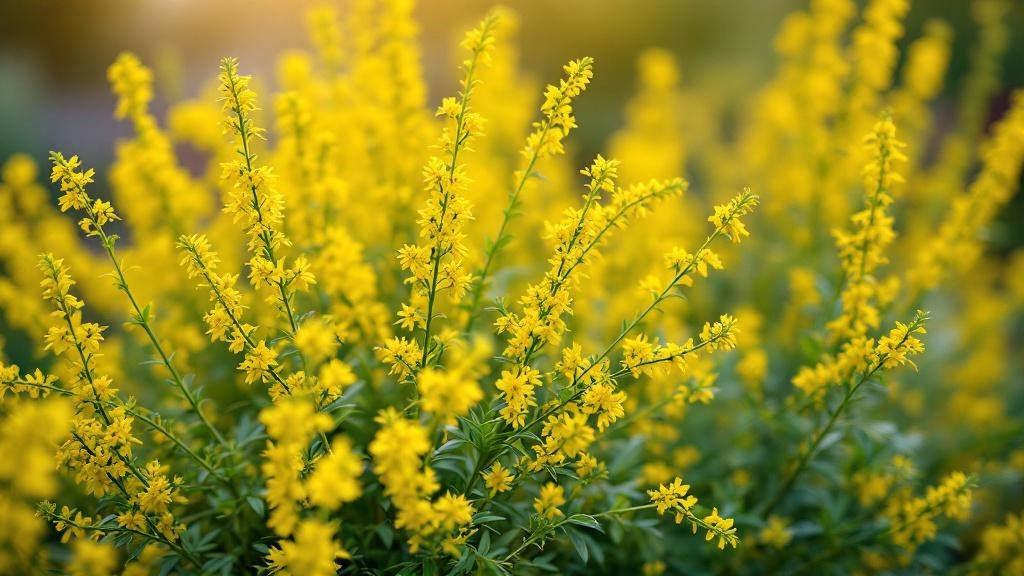
Scotch Broom brings a spectacular burst of golden-yellow blooms to gardens from late April through June, transforming slopes and borders into vibrant displays. Native to Western Europe, this resilient shrub thrives where other plants struggle. The most common question gardeners ask is whether Scotch Broom is invasive — and the answer depends on your region. In temperate zones 5-8, it requires thoughtful placement and deadheading to prevent unwanted spreading while enjoying its cheerful spring flowers.
Watering Your Scotch Broom: Less Is More
Scotch Broom is remarkably drought-tolerant once established and actually suffers in wet conditions. Water newly planted shrubs weekly for the first growing season, then only during extended dry spells. In temperate climates, natural rainfall is typically sufficient for mature plants. Overwatering causes root rot and yellowing foliage — when in doubt, let the soil dry completely between waterings.
Light Requirements for Maximum Blooms
Position your Scotch Broom in full sun with at least 6 hours of direct sunlight daily for the best flowering display. Plants grown in partial shade become leggy with sparse blooms. South or west-facing spots against walls work exceptionally well in UK and Northern European gardens, providing the warmth this Mediterranean-origin shrub appreciates.
Soil and Repotting: Embrace Poor Ground
Scotch Broom thrives in poor, sandy, or gravelly soils where other shrubs fail — rich soil actually produces weak, floppy growth. Ensure excellent drainage; avoid heavy clay unless amended with generous grit. This shrub fixes nitrogen from the air, so fertile soil is unnecessary. If growing in containers, use a gritty, low-nutrient mix and repot every 2-3 years in early spring before growth begins.
Temperature and Humidity Preferences
Hardy through USDA zones 5-8, Scotch Broom tolerates winter temperatures down to -20°C (-4°F) without protection. It handles cold, exposed sites well but dislikes humid, stagnant conditions. Good air circulation prevents fungal issues. In regions with harsh late frosts, avoid north-facing frost pockets where cold air settles in early spring.
Fertilizing: Skip It for Healthier Plants
Scotch Broom requires no fertilizer — its root nodules fix atmospheric nitrogen, making it self-sufficient. Feeding encourages soft, weak growth prone to wind damage and reduces flowering. If your plant looks pale or struggles, the issue is usually poor drainage or wrong soil pH rather than nutrient deficiency. Simply mulch lightly with bark chips in autumn if desired.
Common Problems and Solutions
Gall mites cause distorted, cauliflower-like growths on stems; prune out affected branches immediately and destroy them. Broom moth caterpillars can defoliate plants in summer — handpick or spray with Bacillus thuringiensis in June. Root rot from waterlogged soil turns foliage yellow and kills plants; improve drainage or relocate to drier ground. In wet summers, watch for grey mould (Botrytis) on flowers.
Frequently asked questions
Is Scotch Broom invasive in gardens?
Scotch Broom can spread aggressively through prolific seed production and is considered invasive in some regions. In temperate European and UK gardens, control spreading by deadheading spent flowers before seed pods form in July. Regular pruning after flowering keeps plants compact and prevents self-seeding into unwanted areas.
Why are my Scotch Broom leaves turning yellow?
Yellow leaves typically indicate overwatering or poor drainage causing root rot. Scotch Broom evolved in dry, poor soils and cannot tolerate wet feet. Check that water drains freely and reduce watering frequency. If the soil stays consistently damp, consider moving the plant to a raised bed or slope.
When does Scotch Broom flower?
Scotch Broom flowers from late April through June in temperate climates, with peak bloom usually occurring in May. Each shrub produces hundreds of bright yellow, pea-like flowers along green stems. Flowering is most abundant in full sun after a cold winter period triggers bud development.
Is Scotch Broom toxic to cats and dogs?
Yes, all parts of Scotch Broom are toxic to cats, dogs, and other pets. The plant contains cytisine and sparteine alkaloids concentrated in seeds and flowers. Ingestion causes vomiting, diarrhea, weakness, and potentially serious heart problems. Keep pets away and seek veterinary help if consumption is suspected.
How do I prune Scotch Broom properly?
Prune Scotch Broom immediately after flowering finishes in late June or early July. Cut back flowered shoots by one-third to half their length, but never cut into old, brown wood — it will not regrow. Annual pruning maintains a compact shape and extends the shrub's typically short 10-15 year lifespan.