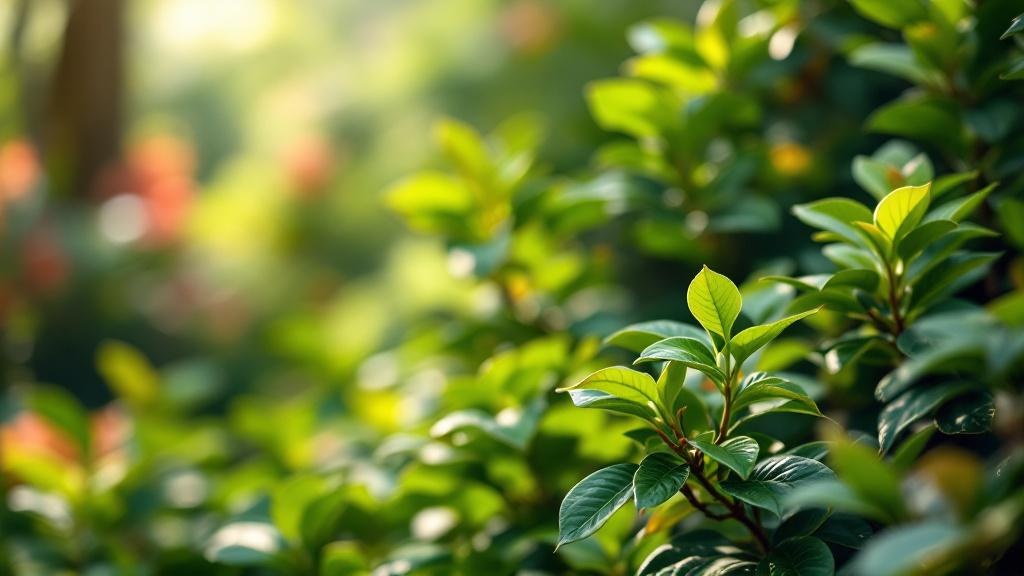
Red Maple
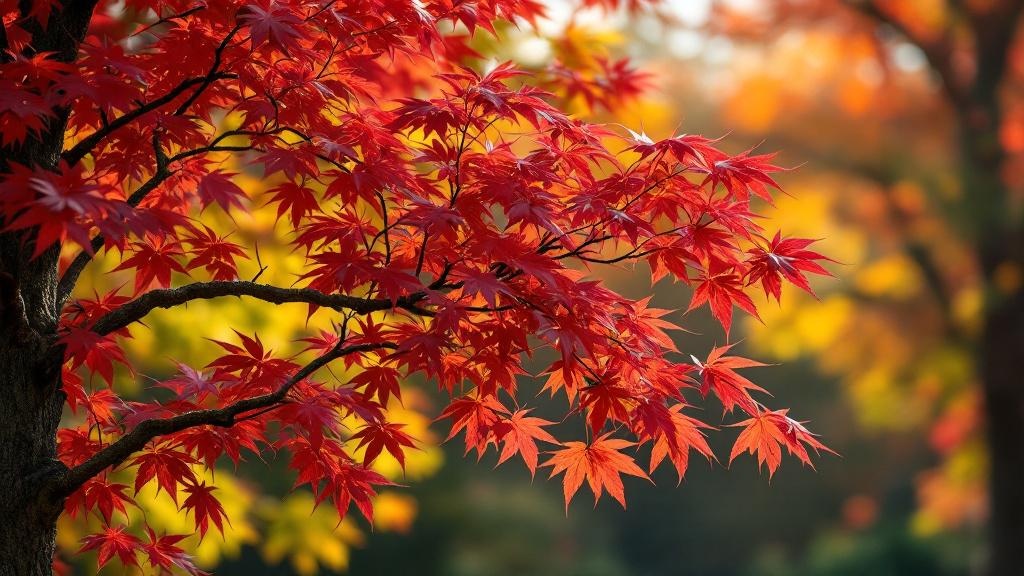
Red Maple is one of the most beloved shade trees in temperate landscapes, famous for its fiery autumn display that ranges from yellow to brilliant crimson. Native to eastern North America but well-adapted to Central European and UK climates, this fast-growing tree answers the most common question gardeners ask: how do I get the best fall color from my Red Maple? The secret lies in proper siting, soil management, and understanding this adaptable tree's surprisingly simple needs.
Watering Your Red Maple for Strong Root Development
Young Red Maples need deep watering once weekly during their first two growing seasons, providing about 25 liters per session. Established trees are remarkably drought-tolerant but perform best with supplemental watering during dry spells in July and August. Water slowly at the drip line rather than the trunk to encourage roots to spread outward. Reduce watering in September to help the tree prepare for dormancy.
Light Requirements for Optimal Fall Color
Red Maples develop the most intense autumn color when planted in full sun, receiving at least 6 hours of direct light daily. Trees in partial shade will grow well but may display more muted fall colors leaning toward yellow rather than red. In warmer zone 8 areas, afternoon shade can help prevent leaf scorch during heat waves. Avoid planting on the north side of buildings where winter shade persists.
Soil Preparation and Planting Tips
Plant Red Maples in autumn from October to November or early spring in March before bud break. They prefer slightly acidic soil with a pH of 5.5 to 6.5, though they tolerate neutral conditions. Dig a hole twice as wide as the root ball but no deeper, keeping the root flare visible above soil level. Mulch with 7-10cm of bark chips in a wide ring, keeping mulch 15cm away from the trunk to prevent rot.
Temperature Tolerance and Seasonal Care
Red Maples are exceptionally cold-hardy, surviving winters down to minus 40 degrees Celsius without protection. They require the cold dormancy period of temperate winters to thrive and will not perform well in consistently warm climates. Protect young trees from late spring frosts in April if buds have already opened. Summer heat above 35C can cause temporary leaf scorch but rarely causes lasting damage.
Fertilizing Schedule for Healthy Growth
Apply a balanced slow-release granular fertilizer in early April as buds begin to swell, using about 500g per 2.5cm of trunk diameter. Spread fertilizer evenly under the canopy out to the drip line and water in thoroughly. Avoid high-nitrogen feeds after June as this promotes soft growth vulnerable to early frost. Established trees over 10 years old rarely need supplemental feeding if mulched annually.
Common Problems and Solutions for Red Maple
Verticillium wilt is the most serious disease, causing branch dieback and wilted leaves in summer; remove affected branches promptly and avoid planting where other maples have died. Aphids and scale insects may appear in May and June, but ladybirds and other predators usually control them naturally. Tar spot fungus creates black spots on leaves in wet summers but is cosmetic only. Watch for girdling roots at the base, which can strangle the tree over time if not corrected when young.
Frequently asked questions
How fast does a Red Maple grow per year?
Red Maples grow 30 to 60cm per year in optimal conditions, making them one of the faster-growing shade trees. Young trees grow most rapidly, with growth slowing as they mature. Expect a newly planted tree to reach 6-8 meters within 10 years.
Why are my Red Maple leaves turning brown in summer?
Brown leaf edges in summer typically indicate leaf scorch from drought stress or hot winds rather than disease. Water deeply during dry periods and apply a thick mulch layer to retain soil moisture. If browning occurs along leaf veins, suspect verticillium wilt and consult an arborist.
When does Red Maple bloom?
Red Maples bloom in early spring, typically late March to April, before the leaves emerge. The small red flowers are among the first tree blooms of the season and provide early nectar for bees. The winged seeds called samaras mature and fall in late spring.
Is Red Maple toxic to cats and dogs?
Fresh Red Maple leaves pose minimal risk to cats and dogs, but wilted or dried leaves are highly toxic to horses and can cause fatal red blood cell damage. Keep horses away from fallen branches and autumn leaves. For households with only cats or dogs, Red Maple is considered low risk.
How big does a Red Maple get?
Red Maples typically reach 12 to 18 meters tall with a spread of 9 to 12 meters at maturity, though size varies by cultivar. Compact varieties like Autumn Spire stay narrower for smaller gardens. Allow adequate space from buildings and power lines when planting, as these trees grow faster than many homeowners expect.