Rex Begonia
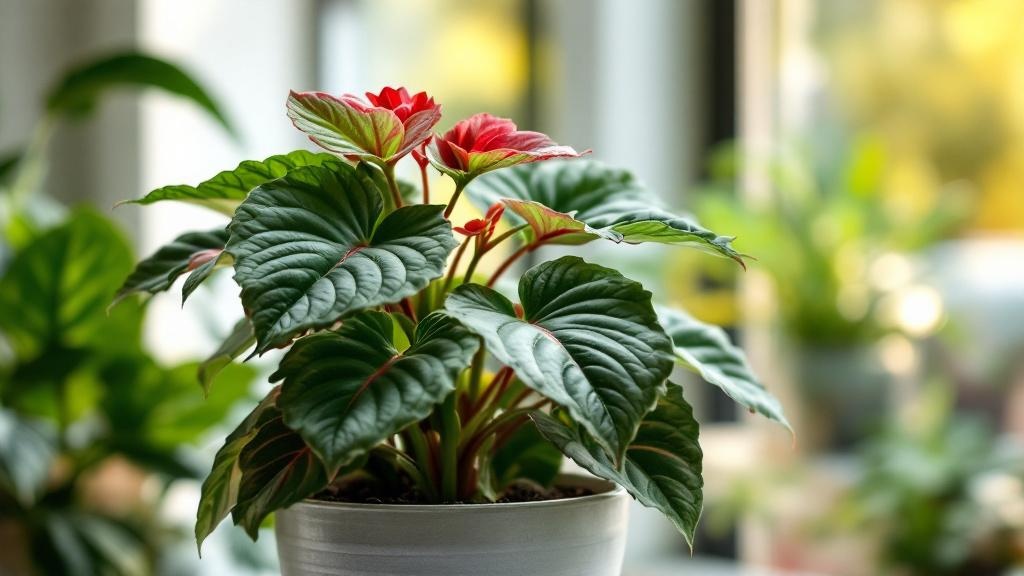
Rex Begonia captivates with its swirling, painted leaves that look almost too beautiful to be real. Native to tropical forests, this foliage showstopper has become a beloved houseplant across temperate regions. The most common question gardeners ask is why their Rex Begonia leaves are crispy or dropping — almost always a humidity issue. With the right care, these living artworks will reward you with year-round color even on the greyest winter days.
Watering Your Rex Begonia Correctly
Water when the top 2-3 cm of soil feels dry, typically every 7-10 days in spring and summer. Reduce to every 14-18 days from October through February when growth slows. Always water at the soil level, not on the leaves, as wet foliage invites powdery mildew. Rex Begonias hate soggy roots, so ensure your pot drains completely after each watering.
Finding the Perfect Light for Rex Begonia
Bright, indirect light brings out the best leaf colours. An east-facing window is ideal; north-facing works in summer but may need supplemental grow lights from November to March. Direct afternoon sun, especially through south-facing glass, scorches the delicate leaves within hours. If your plant becomes leggy with faded patterns, it needs more light.
Soil and Repotting Tips
Use a light, well-draining mix of two parts peat-free houseplant compost, one part perlite, and one part orchid bark. Repot every 18-24 months in spring, choosing a pot only slightly larger than the root ball. Rex Begonias have shallow roots and actually perform better slightly pot-bound. Ensure the rhizome sits just at soil level, not buried.
Temperature and Humidity Requirements
Maintain temperatures between 16-24°C; never let it drop below 13°C, which can happen on windowsills during cold January nights. Humidity of 50-60% is essential — a challenge in centrally heated homes from October onwards. Group plants together, use a pebble tray, or run a humidifier nearby. Avoid placing near radiators or draughty doors.
Feeding Your Rex Begonia
Apply a balanced liquid fertiliser diluted to half strength every 3-4 weeks from April through September. Stop feeding entirely from October to March when the plant enters its rest period. Over-fertilising causes salt buildup that burns the delicate roots and leads to crispy leaf edges. Flush the soil with plain water monthly during the growing season to prevent accumulation.
Common Problems and Solutions
Powdery mildew appears as white dusty patches on leaves, especially in humid conditions with poor airflow — improve ventilation and remove affected leaves promptly. Brown, crispy leaf edges indicate low humidity or underwatering; check both and adjust. Watch for vine weevil larvae in the soil during autumn repotting, a common UK and Central European pest that eats roots; treat with beneficial nematodes available at garden centres.
Frequently asked questions
How often should I water Rex Begonia?
Water every 7-10 days during spring and summer when the top 2-3 cm of soil is dry. In winter, reduce to every 14-18 days as the plant grows more slowly. Always check the soil moisture rather than following a strict schedule, as indoor heating affects drying time.
Why are my Rex Begonia leaves turning yellow?
Yellow leaves typically indicate overwatering or poor drainage. Check that your pot has drainage holes and the soil is not staying soggy. Remove affected leaves, let the soil dry out more between waterings, and consider repotting into a lighter mix if the problem persists.
Is Rex Begonia toxic to cats?
Yes, Rex Begonia is toxic to cats and dogs. Ingestion causes oral irritation, drooling, vomiting, and difficulty swallowing due to insoluble calcium oxalates in the plant tissue. Keep your Rex Begonia on high shelves or in rooms pets cannot access.
Why is my Rex Begonia dropping leaves?
Leaf drop usually signals cold stress, overwatering, or sudden environmental changes. Rex Begonias are sensitive to temperatures below 13°C and draughts from doors or single-glazed windows. Move the plant to a warmer, stable location and review your watering routine.
How do I increase humidity for Rex Begonia?
The most effective method is using an electric humidifier nearby, especially from October through March when central heating dries indoor air. Alternatively, place the pot on a tray of pebbles and water, or group several tropical houseplants together. Misting is less effective and can promote fungal problems.