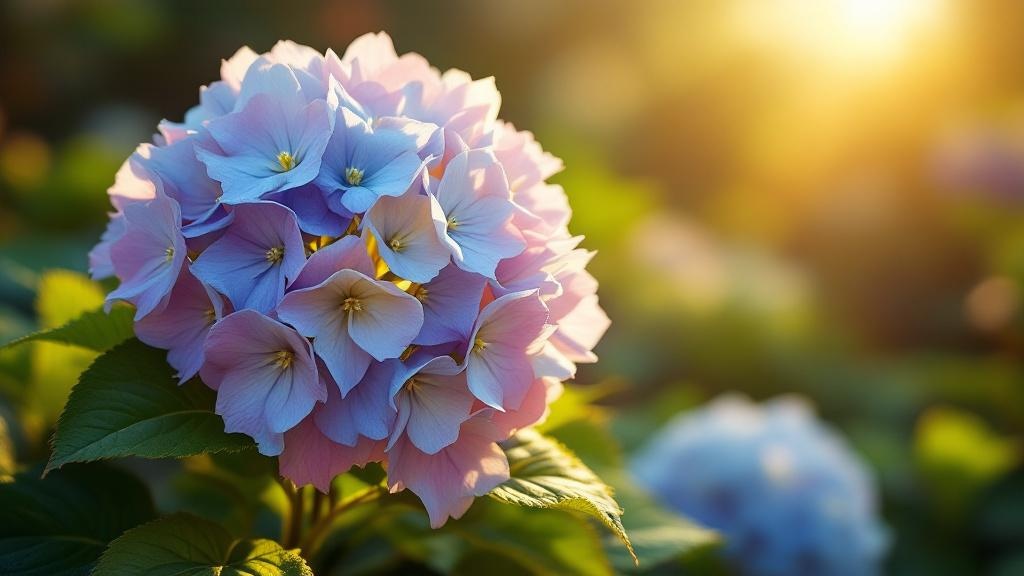
Hydrangea
Hydrangeas are among the most popular flowering shrubs in temperate gardens, prized for their enormous, long-lasting blooms that transform from summer through autumn. The biggest question gardeners ask is why their hydrangeas won't bloom or why the flowers change color. Success with hydrangeas depends on getting three things right: consistent moisture, appropriate light, and soil pH management — and our guide covers all three.
Watering Your Hydrangea
Hydrangeas need consistent moisture during the growing season, typically requiring watering every 7-10 days depending on rainfall and temperature. In summer heat, water deeply 2-3 times weekly to keep soil evenly moist but not waterlogged. Reduce watering in autumn and winter, allowing the top inch of soil to dry slightly between waterings. Morning watering is best to prevent fungal issues and allows leaves to dry before evening.
Light Requirements for Healthy Blooms
Hydrangeas perform best in partial shade with 3-4 hours of morning sunlight daily. In temperate climates, afternoon shade is essential to prevent scorching and heat stress during hot summers. Insufficient light leads to fewer blooms and weak growth; too much direct sun can fade flower colors. If your hydrangea receives less than 3 hours of sun, consider relocating it or pruning nearby trees to increase light penetration.
Soil and Repotting Guidance
Use well-draining, slightly acidic soil with a pH of 5.5-6.5 for blue flowers; raise pH to 6.5-7.5 for pink blooms by adding garden lime. For container-grown hydrangeas, repot in early spring using quality ericaceous compost enriched with perlite for drainage. Garden-planted hydrangeas rarely need repotting; instead, amend soil annually with organic matter in late autumn or early spring to maintain structure and nutrients.
Temperature and Humidity Management
Hydrangeas are hardy to USDA zone 5 and tolerate winter temperatures down to -15°C, though flower buds may be damaged by hard late frosts in spring. In your region, protect emerging spring growth from frost by delaying pruning until mid-April. High humidity (above 50%) supports healthy foliage and flowering; in dry indoor conditions, mist leaves regularly or group plants together to create a humid microclimate.
Fertilizing Schedule
Apply a balanced, slow-release fertilizer (10-10-10) in late March as growth begins, then again in late June to support blooming. For blue hydrangeas, use an aluminum-based fertilizer in June to maintain color. Avoid high-nitrogen feeds after July, as this promotes leafy growth at the expense of flowers. Stop fertilizing by early September to allow the plant to harden off for winter dormancy.
Common Problems and Solutions
Leaf spot and powdery mildew thrive in humid, stagnant air — improve air circulation and water at soil level only. Brown or wilted leaves often signal inconsistent watering or sudden temperature swings; adjust your watering schedule and ensure plants aren't exposed to cold drafts. If blooms fail to appear, the plant may have been pruned too hard (remove old wood in early spring only) or received insufficient light; evaluate and adjust accordingly. Common regional pests include spider mites in hot summers — spray affected foliage with neem oil weekly until resolved.
Frequently asked questions
How often should I water my hydrangea?
Water deeply every 7-10 days during the growing season, keeping soil consistently moist but not soggy. In hot summers, increase to 2-3 times weekly, and reduce to once every 2-3 weeks in winter when growth slows.
Why aren't my hydrangea flowers turning blue?
Blue flowers require acidic soil with a pH below 6; test your soil and add sulfur or aluminum sulfate in spring to lower pH. Pink hydrangeas need neutral to slightly alkaline soil (pH 6.5-7.5); add garden lime if your soil is too acidic.
When should I prune my hydrangea?
Prune in early to mid-April after the last frost, removing only dead or damaged wood and weak stems. Avoid heavy pruning, as hydrangeas flower on old wood; cut back just above a strong bud pair to encourage branching without sacrificing blooms.
Can hydrangeas grow in pots?
Yes, hydrangeas thrive in containers 40-50 cm wide filled with ericaceous compost. Water potted hydrangeas more frequently than garden plants, and repot every 2-3 years in early spring to refresh the soil and prevent root-binding.
Is hydrangea toxic to cats and dogs?
Hydrangeas are mildly toxic to pets; ingestion can cause stomach upset, vomiting, or diarrhea. Keep plants out of reach and contact your vet if a pet shows symptoms after eating leaves or buds.
🩺 Common diseases and pests
These problems commonly affect this plant. Click any to see full symptom descriptions, organic and chemical treatment, and prevention.