Sedum
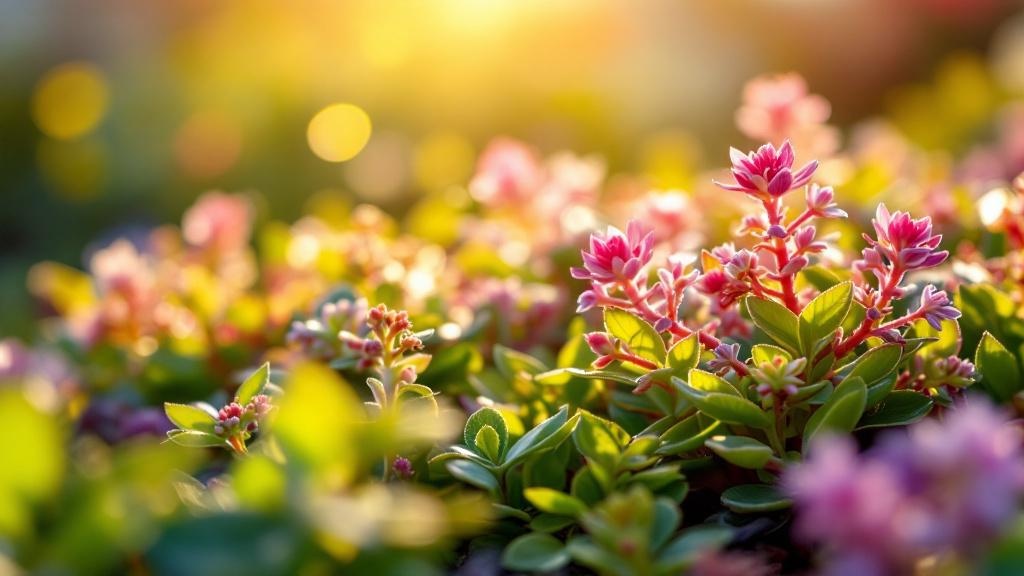
Sedums are some of the toughest, most forgiving plants you can grow. Whether you're decorating a sunny windowsill or creating a xeriscape garden, these fleshy-leaved succulents demand almost nothing in return for reliable colour and texture. The main care question is simple: when should I water, and how do I prevent rot? We'll answer that and more.
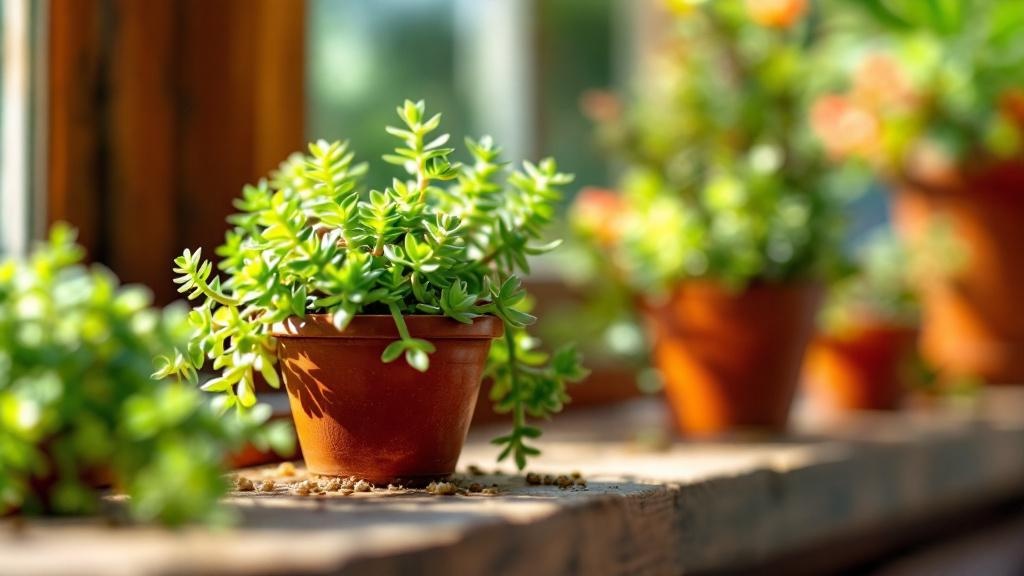
Watering Sedum Correctly
The golden rule is to let soil dry out completely between waterings. In the growing season (April to September), water every 10-14 days; in winter, reduce to once a month or stop entirely if grown outdoors in your region. Overwatering is the most common killer — sedums store water in their leaves and are bred for drought. Use the soil-touch test: if the top inch feels dry, water lightly. Ensure pots have drainage holes.
Light Requirements for Sedums
Sedums need at least 6 hours of direct sun daily to maintain compact shape and vibrant colour. Indoors, place them on a south-facing or west-facing windowsill in spring and summer. In summer heat (above 28°C), some tender species like Sedum spathulifolium appreciate afternoon shade, but most hardy varieties thrive in full sun. Insufficient light causes stretching and pale leaves; if you notice leggy growth, move the plant closer to a window.
Soil and Repotting Needs
Use a cactus or succulent potting mix, or amend standard soil with 30-40% perlite or coarse sand to ensure rapid drainage. Repot every 2-3 years in spring, or when the plant outgrows its container. Hardy sedums planted outdoors in well-draining borders need no repotting. Avoid rich compost — sedums prefer poor, mineral-based soil that mimics their natural rocky habitat. When repotting, let the soil dry for a few days before watering to reduce rot risk.
Temperature and Humidity
Most hardy sedums (like Sedum acre, Sedum album, and Sedum telephium) tolerate frost down to -15°C, making them ideal for USDA zones 5-8. Tender species like Sedum rubrotinctum may need frost protection in December to February. Humidity is rarely a problem outdoors; indoors, sedums prefer dry air and struggle in humid bathrooms. In winter, keep container sedums in a cool spot (5-10°C) to encourage dormancy and prevent weak growth.
Fertilizing Your Sedum
Sedums need very little feeding. Apply a diluted, balanced fertilizer (such as a general-purpose NPK 5-5-5) once in late April and once in June only if the plant shows pale growth. Never fertilize in autumn or winter; excess nitrogen weakens them and invites pests. Outdoor sedums rarely need feeding if planted in poor soil. More often than not, sedums thrive best when neglected on the nutrient front.
Common Sedum Problems and Fixes
Soft, translucent leaves or mushy stems signal root rot from overwatering — let the soil dry for 2-3 weeks and reduce watering frequency. Mealybugs and aphids can infest indoor sedums in spring; spray with insecticidal soap or neem oil every 7-10 days until clear. In damp, cool autumns, watch for powdery mildew on dense foliage — improve air circulation and avoid wetting leaves when watering. Yellow or pale leaves often mean too little light; move the plant to a sunnier spot.
Frequently asked questions
How often should I water sedum?
Water every 10-14 days during the growing season (April-September), then reduce to once a month or stop in winter. Always let the soil dry out completely between waterings to prevent root rot.
Can sedum grow indoors?
Yes, sedums grow well indoors on a bright, sunny windowsill (south or west-facing) with at least 6 hours of direct sun daily. They're ideal for windowsills and bright shelves where they need minimal attention.
Why are my sedum leaves turning soft and mushy?
Soft, mushy leaves indicate root rot from overwatering. Stop watering immediately, check the soil (repot if it smells sour), and allow it to dry out for 2-3 weeks before resuming a strict watering schedule.
Do sedums need fertilizer?
No, sedums thrive in poor soil and rarely need feeding. If you do fertilize, use a half-strength solution once in late April and once in June only — never in autumn or winter.
Are sedums hardy outdoors in winter?
Most hardy sedums survive down to -15°C and are perfect for temperate gardens. Tender varieties like Sedum rubrotinctum need frost protection indoors in December to February, but larger hardy types like Sedum telephium can stay outside year-round.